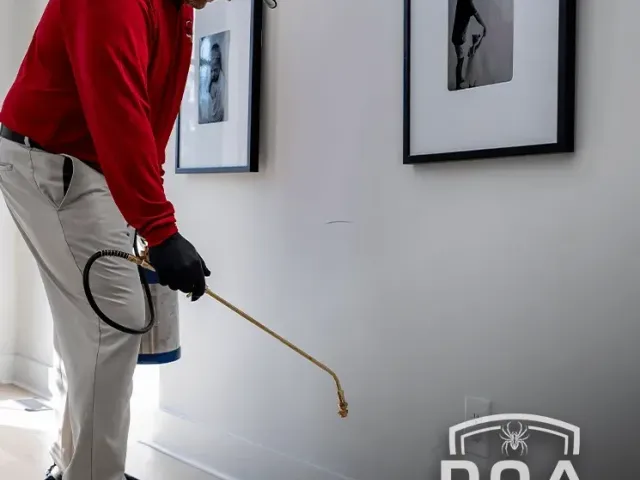
Creating a safe home environment is a priority for every family, especially when children and pets are present. At the same time, pests such as ants, roaches, rodents, and spiders can threaten both comfort and health if not handled properly. Homeowners often worry about balancing effective control with safety, and that is where informed, modern practices make a meaningful difference. Safe pest treatments are designed to remove pests while protecting sensitive household members through careful application, targeted methods, and thoughtful planning.
Understanding how treatment works, what precautions matter, and why professional guidance is essential helps families maintain a healthier home without unnecessary risks. When handled correctly, pest control can be both effective and family-friendly.
Understanding What Makes Certain Treatments Safer
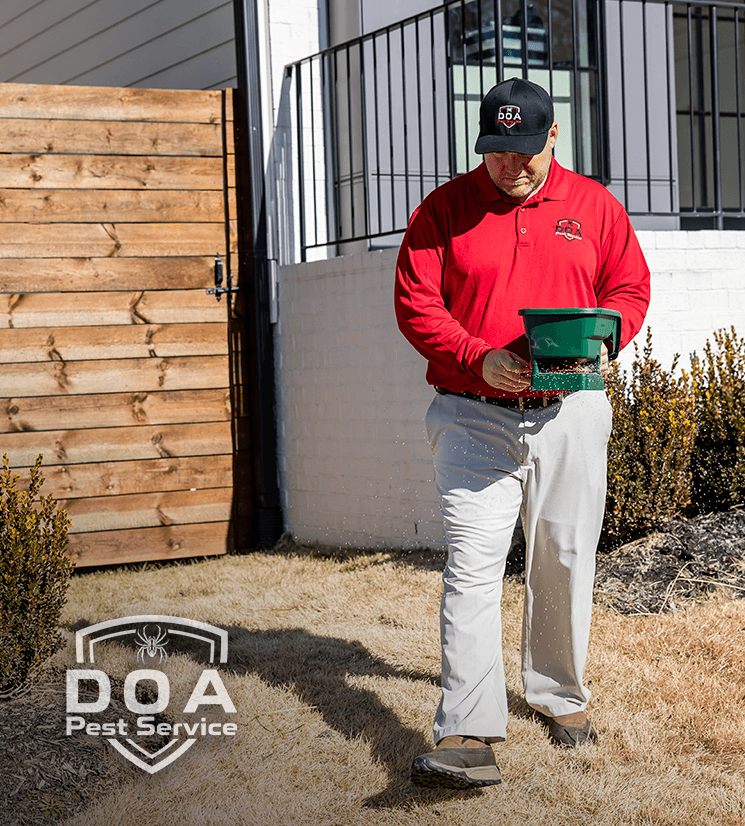
Not all pest control methods are the same. Older approaches often relied on broad chemical use, while today’s solutions emphasize precision and reduced exposure. Safe pest treatments focus on targeting the pest directly, limiting airborne particles, and controlling product placement so surfaces and play areas stay protected.
Many professionals also use an approach that blends prevention, monitoring, and targeted intervention instead of unnecessary spraying. This balanced method mirrors the principles described in our article, which explains better treatment options and highlights how smart planning minimizes risk. The goal is to address pests at their source rather than relying on heavy applications that could affect the household.
When treatments are properly selected and applied, families do not need to sacrifice safety to maintain a pest-free living space.
Preparing the Home Before Treatment Begins
To ensure that safe pest treatments remain effective and secure, simple preparation steps help create an organized setting for thorough work. These practices reduce accidental exposure and help technicians reach the areas where pests are most active.
Important preparation steps include:
- Moving toys, pet bowls, and children’s items away from treatment zones
- Clearing access to baseboards, cabinets, and storage areas where pests hide
- Ensuring pets are temporarily placed in a safe space during service
- Checking that aquariums or enclosed habitats are properly covered
- Cleaning food surfaces to prevent competing attractants
These steps allow treatments to be applied precisely while keeping households protected. Children and pets often explore areas adults might overlook, so ensuring these zones are unobstructed and safeguarded supports effective and secure service.
Why Natural and Low Impact Products Matter
Homeowners increasingly seek safer, eco-minded solutions that reduce chemical exposure without sacrificing results. Many natural or low-impact products use plant-based ingredients or mineral formulations that target pests while remaining safe for families when used correctly. These options can support long-term control and reduce unnecessary airborne residues.
Key benefits of lower impact treatments include:
- Reduced allergen and chemical exposure
- Better indoor air quality
- More targeted action against specific pests
- Minimal disruption to household routines
- Compatibility with sensitive environments
Modern pest management often blends traditional methods with alternative options, providing a balanced approach to both safety and performance. The shift toward natural solutions and safer alternatives is growing because choosing the right product reduces risk while still controlling pests effectively.
Importance of Professional Oversight for Family Safety
Even with safe pest treatments, professional oversight remains vital. Technicians understand how to apply products properly, identify risk areas, and prevent accidental exposure. They also know how different pests behave and where they are most likely to nest or feed, which ensures that treatments are both accurate and minimal.
Professional attention provides safety benefits such as:
- Ensuring products never reach children’s play areas or pet spaces
- Using precise amounts rather than over-applying
- Identifying moisture, entry points, or sanitation issues that encourage pests
- Tailoring treatment plans to the unique layout of each home
- Monitoring results to prevent recurring infestations
Professionals also evaluate whether natural, mechanical, or chemical solutions are appropriate based on severity. This keeps families from overusing store-bought sprays that may leave residues behind, especially in living areas where kids and pets spend time.
Maintaining a Safe Environment After Treatment
Once safe pest treatments are applied, a few simple steps help maintain protection and keep exposure low. These measures reinforce the treatment’s effectiveness and help prevent future issues.
Key follow-up steps include:
- Allowing treated areas to dry fully before pets or children return
- Keeping food stored in sealed containers
- Addressing moisture issues that attract pests
- Maintaining regular cleaning in kitchens, bathrooms, and pet feeding zones
- Scheduling follow-up services based on technician recommendations
Children and pets often explore corners, floors, and hidden spots, so continued care ensures that treated areas remain secure and that pests cannot return. When safe practices and professional oversight work together, homes remain both healthy and protected.
A Family First Approach to Pest Safety
For dependable, family-friendly service using safe methods and careful planning, reach out to DOA Pest Service. Our team is committed to protecting homes while keeping children and pets safe at every step.