Key Takeaways
-
Natural pest control methods reduce health risks for humans and pets.
-
Eco-friendly solutions help protect local ecosystems from chemical exposure.
-
Organic alternatives are often just as effective as synthetic treatments.
-
Integrated approaches support long-term pest prevention, not just quick fixes.
-
Professional pest control services can incorporate natural solutions for better results.
With rising concerns over toxic exposure and environmental impact, many homeowners are moving away from conventional pesticides and exploring safer, natural alternatives. Natural pest control utilizes substances like essential oils, diatomaceous earth, and botanical-based repellents that are effective in managing infestations without the harmful side effects of synthetic chemicals.
These approaches not only keep pests at bay but also maintain the health of your indoor air, garden soil, and surrounding environment. Families with children, pets, or allergy-sensitive individuals find peace of mind knowing that their pest control methods are non-toxic and environmentally conscious.
The Environmental Benefits of Going Green
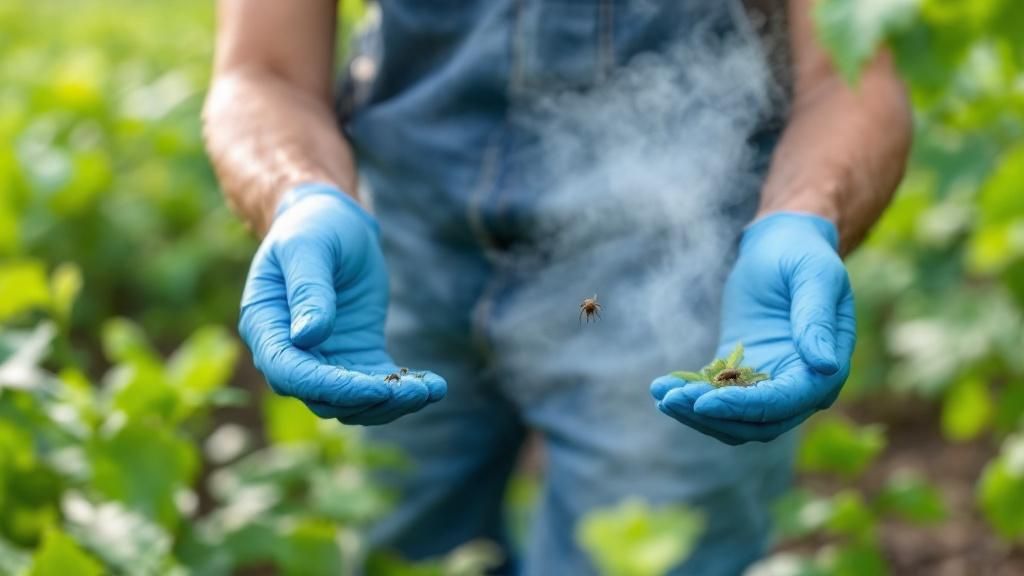
Natural pest control options contribute to a more sustainable ecosystem. Unlike harsh chemicals that leave residues in soil and water, plant-based repellents and organic substances decompose naturally and avoid polluting local waterways or harming beneficial insects.
Neem oil, for example, can control over 200 pest species and certain fungal diseases—making it one of the most versatile natural pest management tools. Food-grade diatomaceous earth (DE) is another multi-use agent that provides powerful pest control without affecting your soil’s health or beneficial microorganisms.
Understanding Integrated Pest Management (IPM)
One of the biggest advantages of natural pest control is its ability to align seamlessly with Integrated Pest Management (IPM) strategies. IPM emphasizes prevention, monitoring, and control through environmentally sensitive methods. Instead of relying solely on chemical treatments, IPM incorporates a combination of natural deterrents, habitat adjustments, and targeted treatments to ensure long-term pest suppression.
Homeowners who integrate natural pest control within an IPM framework can enjoy a more sustainable, holistic defense against rodents, insects, and other unwanted intruders.

Common Natural Solutions That Work
Here are several proven natural methods homeowners and professionals can use:
-
Essential oils like peppermint, lavender, and eucalyptus help repel ants, spiders, and mosquitoes.
-
Diatomaceous earth (DE) dehydrates soft-bodied insects like bed bugs and fleas without introducing toxins.
-
Aromatic herbs such as basil, rosemary, and thyme can mask plant scents, preventing pest attraction in gardens.
-
Biopesticides like Bacillus thuringiensis selectively target destructive pests while sparing beneficial insects.
Regular trimming of overgrown shrubs and clearing vegetation near the home’s foundation also reduces pest entry points. When used consistently and correctly, these strategies help deter infestations without the need for excessive chemical sprays.
Why Professional Support Still Matters
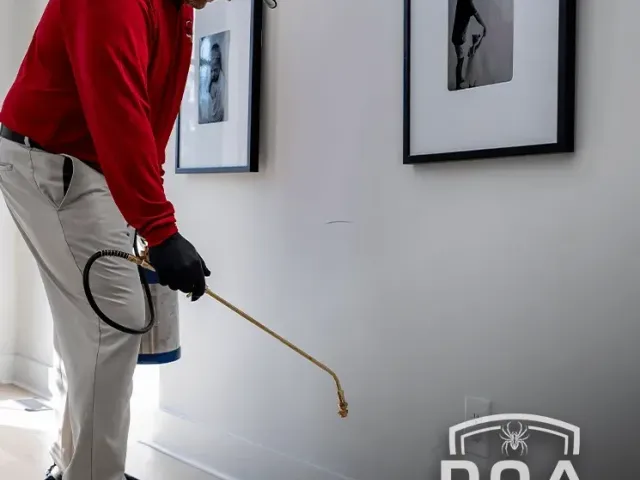
While natural pest control offers a range of benefits, applying these methods effectively takes knowledge and experience. Misapplication, incorrect dosages, or poor timing can reduce the effectiveness of organic treatments. This is why involving pest control professionals who specialize in eco-friendly solutions is a smart move.
Experienced teams can assess the scope of your pest issue, recommend appropriate natural deterrents, and safely apply them for maximum impact. Companies like DOA Pest Service incorporate natural solutions when appropriate, using a targeted approach that minimizes risk to your home and the environment. Their licensed technicians understand how to blend traditional and natural tools for lasting, safe results.
Natural Pest Control for Specific Areas
Natural methods can be tailored to address pests in various locations:
-
Indoors: Use essential oil sprays or traps with natural attractants for ants, roaches, or flies.
-
Gardens: Introduce beneficial insects like ladybugs or nematodes to keep aphids and grubs under control.
-
Yards: Create pest-repellent borders with herbs or install physical barriers to keep rodents away.
The goal is to create a pest-resistant environment without causing harm to people, pets, or pollinators.
Industry Trends and Growing Adoption
The natural pest control market is booming. It’s projected to grow fueled by consumer demand for safer, greener solutions. This growth also reflects a shift in the pest control industry itself—where service providers are expanding their toolkits to include both chemical and organic methods.
In response to this shift, DOA Pest Service has continued to adopt modern, integrated approaches that prioritize customer safety and long-term results. By offering eco-conscious options alongside their proven pest management solutions, they help homeowners make informed choices that align with their values.
FAQs
Is natural pest control safe for pets and children?
Yes, most natural solutions avoid harsh toxins and are safe when used correctly around kids and animals.
Can I use natural repellents for a serious infestation?
Mild issues can often be managed naturally, but larger infestations may require professional help that incorporates both natural and conventional tools.
Do natural methods really work as well as chemical sprays?
When applied properly, many natural options are just as effective—especially when paired with preventive strategies and regular maintenance.
Is natural pest control more expensive?
Not necessarily. While some products may cost more upfront, they can reduce the need for repeat treatments and are often more sustainable long-term.
Will I need multiple treatments?
Depending on the method and the pest involved, follow-up treatments may be required. A pest control specialist can provide the most accurate plan.