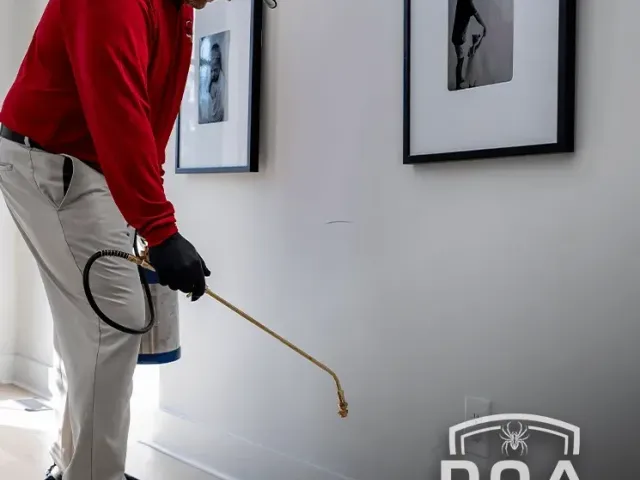
Pest resistance is one of the most challenging problems in modern pest control. Over time, certain pests adapt to repeated treatments, making them harder to eliminate using the same methods. This can lead to recurring infestations, increased treatment frequency, and reduced effectiveness overall.
IPM solutions, or Integrated Pest Management strategies, are designed to address this issue directly. Instead of relying on a single method, IPM solutions use a combination of techniques that reduce the likelihood of pests developing resistance. This approach focuses on understanding pest behavior, limiting exposure to treatments, and applying control methods in a more strategic way.
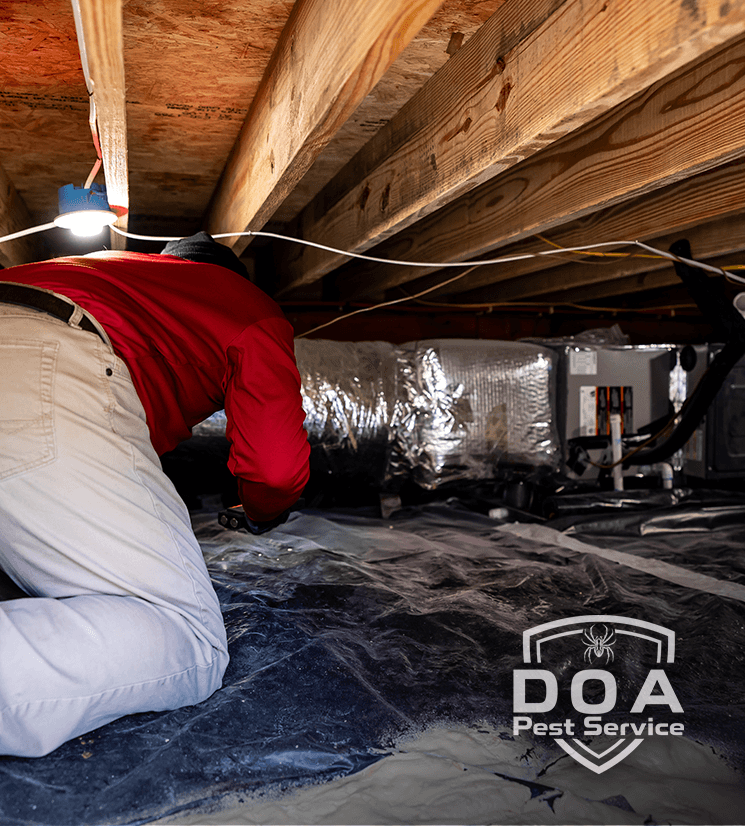
Why Pest Resistance Develops Over Time
Pest resistance does not happen instantly. It develops gradually as pests are exposed to the same treatments repeatedly. Over time, the most resilient individuals survive and pass those traits on, making future treatments less effective.
- Repeated Use of the same products can reduce effectiveness
- Incomplete Treatments may allow surviving pests to adapt
- Overexposure increases the chance of resistance development
- Lack Of Monitoring prevents early detection of changes
This pattern is common in pests such as ants, cockroaches, and other insects that reproduce quickly. As populations grow, the chance of resistance increases if treatments are not adjusted.
IPM solutions are built to interrupt this cycle. By rotating methods and focusing on targeted application, they reduce the pressure that leads to resistance.
How IPM Solutions Use Multiple Control Methods
One of the key strengths of IPM solutions is their layered approach. Instead of depending on a single type of treatment, multiple methods are combined to create a more balanced and effective strategy.
- Chemical Controls used in targeted and limited ways
- Physical Barriers to block entry and movement
- Environmental Adjustments to remove conditions that pests rely on
- Biological Methods that introduce natural control mechanisms
This combination reduces reliance on any one method. When pests are exposed to different types of control, it becomes much harder for them to adapt.
Understanding how natural methods contribute to this strategy can provide additional insight. These biological pest techniques show how non-chemical approaches play a role in long-term control.
The Role of Monitoring and Inspection in IPM
Monitoring is a central part of IPM solutions. Without regular observation, it is difficult to know whether treatments are working or if resistance is developing. Inspection allows pest control strategies to adjust before problems become more serious.
- Regular Inspections track pest activity and behavior
- Data Collection helps identify patterns and changes
- Early Detection allows for a faster response
- Targeted Adjustments improve treatment effectiveness
This process ensures that pest control remains dynamic rather than static. Instead of repeating the same approach, IPM solutions evolve based on real conditions.
Seasonal changes also influence pest behavior, which makes monitoring even more important. Recognizing these patterns is part of effective planning, as shown in these seasonal pest patterns.
Why Targeted Treatments Reduce Resistance Risk
IPM solutions emphasize precision. Rather than applying treatments broadly, the focus is on areas where pests are most active. This reduces unnecessary exposure and limits the opportunity for pests to develop resistance.
- Focused Applications reach pests at key activity points
- Reduced Product Use minimizes repeated exposure
- Strategic Timing aligns with pest life cycles
- Combination Approaches prevent adaptation
By limiting exposure to only what is necessary, IPM solutions reduce the chances that pests will develop resistance. This approach also supports more consistent results over time.
Precision also improves efficiency. Treatments are used where they are needed most, rather than being applied across entire areas without a clear purpose.
Long-Term Benefits of IPM Solutions
IPM solutions are designed with long-term effectiveness in mind. Instead of addressing only the immediate problem, they focus on preventing future issues and maintaining control over time.
This approach helps reduce the cycle of recurring infestations. By combining monitoring, targeted treatment, and prevention, IPM solutions create a more stable environment where pests are less likely to return.
In addition, reducing resistance means treatments remain effective longer. This leads to fewer adjustments and more predictable outcomes.
For properties dealing with persistent pest activity, this structured approach provides a more reliable solution. It balances immediate control with long-term prevention, which is essential for maintaining consistent results.
A smarter path to lasting pest control
Pest resistance can make control efforts more complicated, but IPM solutions offer a way to manage this challenge effectively. By combining multiple methods, focusing on precision, and adapting over time, this approach helps maintain control without overreliance on any single treatment.If you are looking for a more strategic and long-term solution, we are here to help. Contact DOA Pest Service and let us create a plan that keeps your property protected.