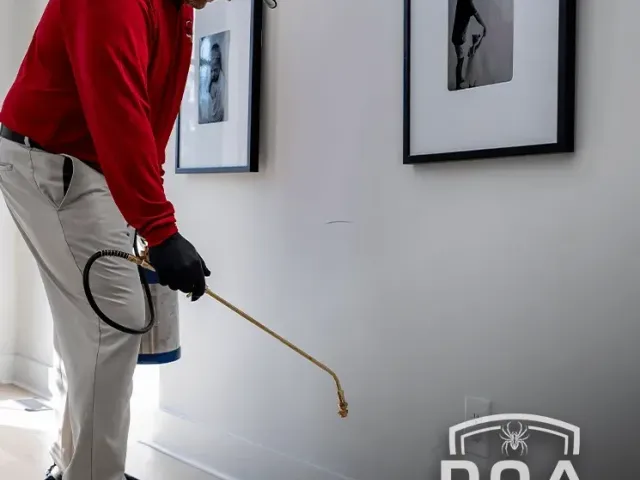
Spring introduces a noticeable shift in pest activity. As temperatures rise and moisture levels increase, insects and other pests become more active in search of food, water, and shelter. Many of these conditions originate outdoors, making yard conditions a major factor in determining how much pest pressure a property experiences.
From a professional perspective, effective spring pest prevention begins outside the structure. Yard conditions often influence whether pests remain in outdoor spaces or move indoors. By addressing environmental factors early, it becomes possible to reduce activity before it develops into a more persistent issue.

Why Outdoor Conditions Influence Pest Activity
The transition into spring creates an environment that supports pest development. Soil moisture, plant growth, and organic debris all contribute to conditions that pests rely on for survival.
Several factors explain why outdoor areas become high-risk zones:
- Moisture buildup. Standing water and damp soil create ideal breeding conditions.
- Organic material. Leaves, debris, and plant matter provide food and shelter.
- Shelter opportunities. Dense vegetation offers protection from predators and the weather.
- Access points. Gaps around foundations allow pests to move indoors.
- Seasonal behavior. Many pests emerge from dormancy and begin searching for resources.
As explored in our resource about spring pest activity, these seasonal changes directly influence how and where pests become active.
Understanding these dynamics helps guide yard care decisions that support effective spring pest prevention.
Key Yard Care Practices That Reduce Pest Pressure
A well-maintained outdoor space can significantly reduce the likelihood of pest activity. The goal is to limit the conditions that attract and support pests.
- Remove standing water. Eliminating water sources reduces breeding opportunities for mosquitoes and other insects.
- Manage vegetation. Keeping plant growth controlled limits hiding areas.
- Clear debris regularly. Removing organic material reduces shelter and food sources.
- Maintain proper drainage. Ensuring water flows away from structures prevents moisture buildup.
- Keep areas near the structure clean. Reducing clutter minimizes access points for pests.
These practices help create an environment that is less appealing to pests. While they are effective, they are most beneficial when combined with a broader pest management strategy.
Common Spring Pests Linked to Yard Conditions
Certain pests are closely associated with outdoor conditions during spring. Their presence often reflects the state of the surrounding environment.
- Mosquitoes. Thrive in standing water and humid conditions.
- Ants. Build colonies in soil and forage for food near structures.
- Spiders. Follow other insects and often settle in sheltered areas.
- Rodents. Seek food and nesting sites in cluttered outdoor spaces.
- Roaches. Are attracted to moisture and organic debris.
These pests do not operate independently. Their activity is often interconnected, meaning that one issue can lead to another. Addressing yard conditions helps reduce multiple types of pest activity at once.
The Importance of Seasonal Planning in Yard Care
Yard care is most effective when it is approached as part of a seasonal plan. Spring pest prevention requires more than a one-time effort. It involves ongoing adjustments based on changing conditions.
- Early preparation. Addressing conditions before peak activity reduces risk.
- Mid-season monitoring. Regular checks help identify new problem areas.
- Consistent maintenance. Ongoing care prevents conditions from returning.
- Environmental awareness. Weather patterns influence pest behavior.
- Integration with pest control. Coordinated strategies improve overall effectiveness.
Insights from our resource about seasonal prevention plans show how structured approaches support long-term pest management.
Seasonal planning ensures that yard care efforts remain aligned with pest activity patterns.
Why Professional Oversight Enhances Results
While proper yard care plays a critical role in reducing pest pressure, it does not eliminate the need for professional evaluation. Many pest issues originate in areas that are not immediately visible or accessible.
Professional pest control specialists assess both the exterior and interior of a property. They identify conditions that may not be obvious and recommend targeted solutions that address specific risks. This level of insight ensures that yard care efforts are supported by a comprehensive strategy.
Without professional oversight, it can be difficult to determine whether all contributing factors have been addressed. Even well-maintained spaces may still have hidden vulnerabilities that allow pests to thrive.
A coordinated approach that combines yard care with expert pest control creates a more effective and reliable system. It ensures that both environmental conditions and pest activity are managed consistently.
How Yard Care and Pest Control Work Together
Spring pest prevention is most successful when yard care and pest control are integrated. Each approach supports the other, creating a balanced system that reduces overall risk.
- Yard care limits attractants and breeding conditions.
- Pest control targets active populations and hidden activity.
- Monitoring ensures that changes are addressed quickly.
- Preventive strategies reduce the need for reactive treatments.
- Consistency supports long-term protection.
This combination allows property owners to maintain control over pest activity while preserving the usability of outdoor spaces.
Where Outdoor Care Meets Reliable Protection
Spring pest prevention begins with the environment around your property. By maintaining proper yard conditions and supporting them with a structured approach, it becomes possible to reduce pest pressure before it escalates.We focus on delivering solutions that address both visible activity and underlying conditions. Connect with DOA Pest Service to ensure your property is protected with a strategy built for long-term results and consistent control.