Wasp activity around a home can escalate quickly, especially during warmer months when colonies expand. When a nest becomes visible, the immediate reaction is often to reach for store-bought sprays. While these products promise quick results, they rarely address the complexity of an active nest.
Wasp control requires more than surface-level treatment. These insects are highly defensive, organized, and capable of reacting aggressively when disturbed. Improper handling can increase risk rather than resolve the issue. Understanding why store sprays fall short helps clarify when a more structured approach is necessary.
Store sprays are designed for convenience, but convenience does not always align with safety or effectiveness. In many cases, using them can lead to incomplete results and continued wasp activity.
The Risk of Triggering Defensive Behavior
Wasps are highly protective of their nests. When they detect a threat, they respond quickly and in large numbers. Applying store sprays without proper planning can trigger this defensive behavior.
Common risks include:
- Immediate swarming in response to disturbance
- Multiple stings due to aggressive colony defense
- Increased activity as wasps attempt to protect the nest
- Difficulty retreating safely after application
Unlike solitary insects, wasps operate as a colony. When one reacts, others follow. This makes direct treatment without proper precautions especially risky.
Store sprays often require close proximity to the nest, which increases exposure. Even if the initial application appears successful, the reaction it causes can create a hazardous situation.
Why Store Sprays Often Fail to Eliminate the Nest
Store-bought sprays are typically designed to kill wasps on contact. While this may reduce visible activity, it does not always eliminate the entire colony.
Limitations of these products include:
- Inability to reach the inner structure of the nest
- Limited residual effect after application
- Missed areas where wasps remain active
- Temporary reduction rather than complete removal
A wasp nest is more than what is visible on the surface. Inside, there are layers where larvae and protected wasps continue to develop. Surface sprays rarely penetrate these areas effectively.
This is one reason why activity often returns after initial treatment. Without addressing the full structure of the nest, the problem remains.
For a broader understanding of why quick solutions fall short, our resource on why DIY treatments fail explains how incomplete approaches can lead to recurring pest issues.
Safety Concerns With Improper Application
Using store sprays without proper knowledge can introduce additional safety concerns. These products are often applied in environments where visibility, access, and stability may be limited.
Important safety risks include:
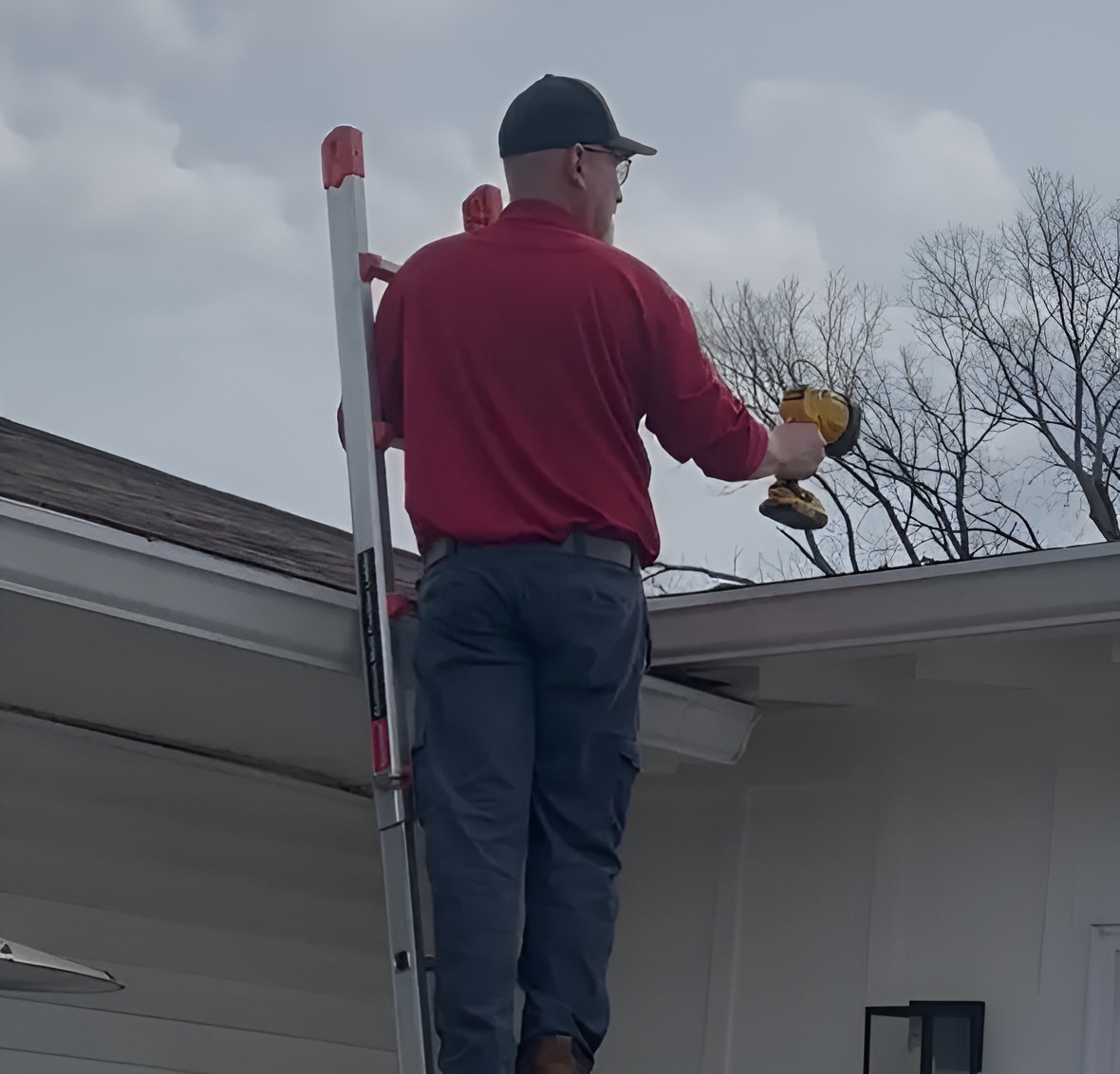
- Applying sprays from unstable positions, such as ladders
- Exposure to chemicals without proper protective equipment
- Difficulty identifying the full extent of the nest
- The risk of wasps entering indoor spaces during disturbance
These factors make treatment more complex than it may appear. What seems like a simple task can quickly become unsafe when conditions are not ideal.
In addition, wasps may build nests in areas that are not easily accessible, such as under eaves, inside wall voids, or near entry points. Treating these locations requires careful planning and proper tools.
The Importance of Proper Timing and Technique
Wasp control is not only about what is used, but also when and how it is applied. Timing plays a significant role in how effective a treatment will be.
Key considerations include:
- Treating during times when wasp activity is lower
- Ensuring that the entire colony is present in the nest
- Applying treatment in a way that reaches all sections
- Monitoring the nest after treatment to confirm results
Store sprays do not account for these factors. Without proper timing, wasps may be away from the nest during treatment, allowing them to return later.
Technique is equally important. Applying products without understanding how the nest is structured can result in uneven coverage. This leaves parts of the colony unaffected.
For insight into how treatment approaches vary, our article on treatment plan differences highlights how timing and method influence long-term results.
Why Professional Wasp Control Delivers Better Outcomes
Wasp control requires a comprehensive approach that considers safety, effectiveness, and long-term prevention. Professional services focus on identifying the type of wasp, locating the full nest structure, and applying treatment in a controlled manner.
This process includes:
- Assessing the size and location of the nest
- Determining the safest approach for removal
- Applying treatments that reach the entire colony
- Monitoring results to ensure the nest is fully addressed
This level of detail reduces the risks associated with wasp activity and helps prevent recurrence. Rather than relying on temporary solutions, professional methods address the problem at its source.
Wasp nests can develop quickly, and delaying proper treatment often allows the colony to grow. Addressing the issue early with the right approach helps maintain safety and control.
Take control the right way
If you are dealing with a wasp nest, handling it safely and effectively is essential. At DOA Pest Service, we provide focused wasp control solutions designed to protect your home and restore peace of mind with precision and care.