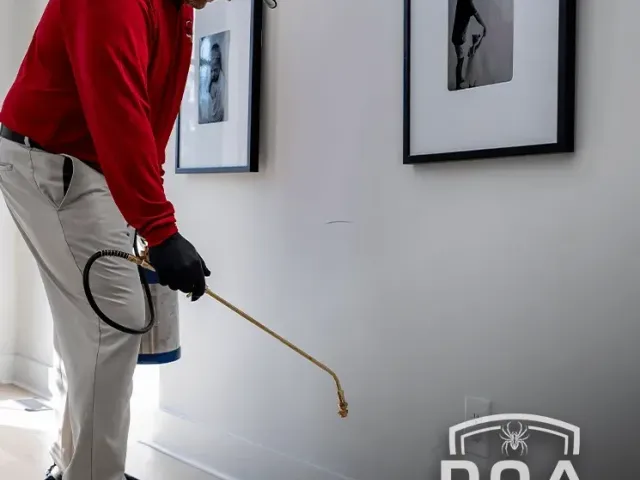
It is a common assumption that newly built homes should be free from pest activity. Fresh materials, modern construction methods, and untouched interiors often create the expectation of a pest-free environment. However, from an expert standpoint, new constructions can be just as vulnerable to infestations as older properties, sometimes even more so during the early stages.
Pest control challenges in new builds are often tied to environmental disruption, construction practices, and overlooked vulnerabilities. Understanding why these issues occur is essential for preventing infestations before they become established.

How Construction Activity Disrupts Natural Habitats
Before a structure is built, the land it occupies often supports existing ecosystems. Construction alters these environments, displacing pests and forcing them to seek new shelter.
- Habitat disruption. Clearing land removes natural nesting areas for insects and rodents
- Soil disturbance. Underground pests such as termites are pushed closer to the surface
- Loss of food sources. Pests move toward structures in search of new resources
- Nearby vegetation. Remaining landscaping continues to support pest activity
- Construction debris. Materials left behind can provide temporary shelter
These changes do not eliminate pests. Instead, they redirect them. A newly built home can quickly become an attractive alternative for shelter and food, especially when conditions are favorable.
Why New Homes Still Have Entry Points
Even with modern building standards, no structure is completely sealed. Small gaps and openings are enough for pests to enter and establish themselves.
- Structural gaps. Tiny openings around windows, doors, and foundations
- Utility penetrations. Pipes and wiring create access points into the home
- Vent systems. Openings designed for airflow can also allow pest entry
- Improper sealing. Incomplete finishes leave vulnerabilities
- Material shrinkage. Natural settling can create new gaps over time
These entry points are often difficult to detect without a trained eye. While they may appear insignificant, they provide consistent access for pests looking to move indoors.
Addressing these vulnerabilities requires a systematic approach. In our recent article on resistance management strategies, the importance of targeted and adaptive pest control methods is explored further.
Common Pests Found in New Constructions
New homes are not immune to the same pest pressures seen in older properties. In fact, certain pests are more likely to appear during the early stages of occupancy.
- Ants. Attracted to moisture and food sources within the home
- Termites. Drawn to wood materials and soil contact areas
- Cockroaches. Thrive in hidden spaces and areas with consistent moisture
- Rodents. Seek shelter and nesting areas within walls and attics
- Spiders. Follow insect activity and settle in undisturbed areas
These pests are not introduced by the age of the home but by the conditions surrounding it. A new build can provide the same resources as an older property, making it equally susceptible to infestation.
The Role of Environmental Conditions Around New Homes
The surrounding environment plays a significant role in pest activity. Even a well-constructed home can experience issues if external conditions support pest populations.
- Moisture buildup. Poor drainage can create ideal conditions for insects
- Landscaping design. Plants placed too close to the structure provide shelter
- Standing water. Breeding grounds for insects near the property
- Neighboring properties. Pest activity can spread from nearby areas
- Seasonal changes. Weather patterns influence pest behavior and movement
These factors highlight the importance of considering the property as a whole. Pest control is not limited to the interior. It involves managing the entire environment to reduce risk.
Seasonal planning is especially important in new constructions. In our blog post on seasonal prevention plans, the benefits of adjusting strategies throughout the year are discussed in more detail.
Why Preventive Pest Control Is Essential for New Builds
New constructions benefit significantly from early pest control measures. Waiting until signs of activity appear often allows infestations to become more established.
Preventative pest control focuses on identifying vulnerabilities before they lead to problems. This includes inspecting entry points, monitoring environmental conditions, and applying targeted treatments where needed.
Professional services provide a structured approach that addresses both immediate risks and long-term prevention. This ensures that pests are not only removed but also discouraged from returning.
Another key advantage is consistency. Regular monitoring allows for adjustments as the property settles and environmental conditions change. This proactive approach is especially important in new homes, where conditions continue to evolve after construction is complete.
Without preventative measures, pest activity can develop quickly. A new home may look secure, but underlying factors can still create opportunities for infestation.
Where New Homes Stay Truly Protected
A newly built home deserves more than a fresh start. It needs protection that matches its potential. Pest activity may begin quietly, but with the right approach, it can be managed before it becomes a problem.At DOA Pest Service, we focus on proactive pest control that protects new constructions from the ground up. We are ready to help create a stable, pest-free environment from the very beginning.