Key Takeaways
-
Conduct regular inspections to spot pest activity before it becomes a problem.
-
Seal all cracks, gaps, and crevices to prevent insects and rodents from entering.
-
Store food in airtight containers and manage waste properly.
-
Maintain a clean, clutter-free home to eliminate hiding spots for pests.
-
Consider consulting local pest control professionals for preventative service plans.
No one wants to deal with an infestation. Yet many homeowners unknowingly create the perfect environment for pests to thrive. The good news? A few proactive steps can drastically reduce the chance of ever needing emergency pest control. In this guide, we walk you through actionable prevention strategies to keep your home protected—from sealing vulnerable entry points to using the latest pest-control tech. Whether you’re in a city apartment or a suburban house, these insights will help you maintain a pest-free living space.
Why Prevention Beats the Cure in Pest Control
Waiting for pests to show up before taking action is like waiting for a pipe to burst before checking for leaks. Preventative pest control isn’t just smart—it’s essential. Infestations cause damage, spread disease, and often require invasive treatments to resolve. Simple habits like weekly cleaning, routine inspections, and proper waste management can prevent most pest issues before they begin.
In fact, regularly removing food debris, sealing leftovers, and eliminating standing water around your property addresses the three biggest pest magnets: food, water, and shelter. Combine that with blocking their physical access, and you’re miles ahead of the curve.
Entry Points: Where Pests Sneak In
Understanding how pests get in is key to keeping them out. Most infestations begin with a small crack, a loose screen, or an open pipe chase. Here are the main vulnerabilities:
Common Entry Points:
-
Gaps around doors and windows
-
Cracks in foundations and walls
-
Utility line and plumbing entry holes
-
Torn window screens and damaged door seals
-
Roof vents and attic access points
How to Secure Them:
-
Use caulk or weatherproof sealant to close small cracks.
-
Install weatherstripping on doors and windows.
-
Add steel wool to openings around pipes and vents to deter rodents.
-
Repair or replace damaged screens.
-
Inspect your attic and roof vents annually.
Professional sealing services are also available for more complex structures. For example, technicians may install door sweeps, apply screening over vents, or reinforce crawlspace barriers to keep pests out.
Moisture Control: The Hidden Culprit
Many pests thrive in damp environments. Leaky pipes, clogged gutters, or poor drainage can turn basements and kitchens into pest hotspots.
Tips for Moisture Management:
-
Repair leaking faucets, pipes, and fixtures promptly.
-
Use dehumidifiers in damp areas like basements.
-
Ensure proper ventilation in attics, bathrooms, and crawlspaces.
-
Clean gutters regularly to prevent water accumulation.
-
Fill low spots in your yard that collect rainwater.
A dry home is far less attractive to pests such as cockroaches, silverfish, and termites. Controlling humidity and moisture is one of the most overlooked yet impactful pest prevention steps.
Natural vs. Chemical: What’s the Best Approach?
Today’s homeowners are increasingly interested in eco-friendly options. Both natural and chemical pest control have their pros and cons.
Natural Deterrents:
-
Use essential oils like peppermint or eucalyptus to deter ants and spiders.
-
Diatomaceous earth works great for crawling insects without toxic residue.
-
Vinegar sprays can repel fruit flies and some ants.
Chemical Solutions:
-
Offer fast knockdown in cases of severe infestation.
-
Often more effective for large-scale or hard-to-reach infestations.
-
Should be handled with care to avoid exposure risks to kids and pets.
The trend is clearly shifting toward natural and integrated pest management solutions. Many local professionals, including eco-conscious services in Nashville, now offer green treatments that balance effectiveness with safety.
Tech Innovations Shaping Modern Pest Control
The pest control industry is evolving with technology. Here are a few modern innovations changing how we keep our homes protected:
-
CCTV Monitoring: Technicians can now monitor pest-prone areas remotely, reducing the need for intrusive inspections.
-
Smart Traps: IoT-enabled traps alert homeowners or technicians when pests are caught.
-
Pest-Resistant Materials: Used in construction, these materials reduce vulnerability to future infestations.
-
Drones: Used to inspect rooftops or large properties for nests and vulnerabilities.
These solutions are becoming more accessible and offer long-term advantages by minimizing the need for repeat interventions.

What Happens During a Professional Pest Prevention Visit
Professional pest control isn’t just for emergencies. Many homeowners now opt for routine inspections and preventative service plans.
What to Expect:
-
A technician performs a thorough inspection of your home, identifying high-risk zones.
-
Entry points are assessed and sealed where necessary.
-
Preventative treatments (natural or chemical) are applied as needed.
-
A custom plan is created, often including seasonal visits and homeowner education.
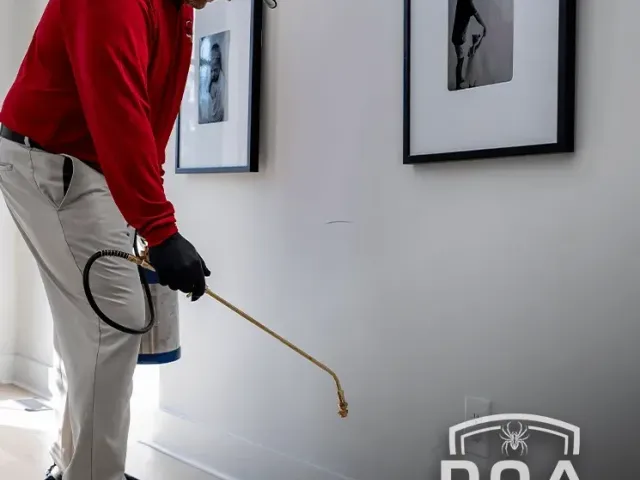
Reputable companies don’t just spray and leave. They partner with you to maintain pest resistance through education and continuous support. A good example is how DOA Pest Service integrates personalized recommendations into every visit, ensuring homeowners understand what contributes to pest risks.
Tips Every Homeowner Should Follow
Here’s a consolidated checklist of practical steps you can take starting today:
-
Sweep and mop floors weekly to eliminate food crumbs.
-
Store dry goods like cereal and flour in sealed containers.
-
Clean out pantries and kitchen cabinets regularly.
-
Take out trash daily and rinse recycling.
-
Trim bushes and tree limbs away from your home’s siding.
-
Fix leaks, clear gutters, and dry out damp areas.
-
Install screens on all exterior openings.
-
Seal gaps around utility lines with copper mesh or steel wool.
By incorporating these habits into your routine, you’ll greatly reduce the chances of pests establishing a foothold in your home.
Forward-Thinking Pest Control Starts at Home
The future of pest control is rooted in prevention. From sealing entry points and eliminating moisture to using natural deterrents and tapping into new technologies, the best way to keep your home pest-free is to act before pests become a problem.
If you’re in the Nashville area, consider speaking with professionals who prioritize prevention just as much as treatment. DOA Pest Service provides expert assessments, sealing solutions, and service plans that help homeowners stay one step ahead.
Frequently Asked Questions
How often should I inspect my home for pests?
A monthly visual check is a good rule of thumb, with a more thorough inspection each season.
Is it worth hiring professionals if I don’t currently have pests?
Yes, proactive services can prevent infestations entirely, saving you stress and money later.
Can I use natural deterrents instead of sprays?
Absolutely. Natural deterrents like essential oils or diatomaceous earth are great options for low-level pest issues.
What’s the most overlooked area in pest prevention?
Moisture control. Pests love damp environments, so leaky pipes and humid basements should be top priorities.
Do prevention plans cost more than one-time treatments?
Not necessarily. Prevention plans may actually save money over time by reducing the need for repeated treatments.