Key Takeaways
- Regular inspections identify pest issues early, preventing infestations.
- Sealing entry points is crucial to prevent pests from entering your home.
- Proper sanitation and waste management reduce pest attraction.
- Using natural repellents can deter pests without harmful chemicals.
- Professional services, such as exterminators in Nashville, provide effective pest control solutions.
To prevent pest problems, focus on regular maintenance and cleanliness. Ensure food is stored properly and seal any entry points. The importance of inspections cannot be overstated as they help in early detection and prevention of infestations.

Why Prevention Is More Cost-Effective Than Treatment
When it comes to pest control, prevention isn’t just smart—it’s a money-saving strategy. Waiting until pests become a visible problem often leads to larger infestations, structural damage, and costly repairs. From chewed electrical wires to contaminated food storage, the expenses can pile up fast.
Preventative pest control works by addressing the conditions that attract pests in the first place. Sealing entry points, eliminating food and water sources, and performing routine inspections can stop infestations before they start. This proactive approach typically requires less chemical intervention, making it both safer and more budget-friendly over time.
For businesses, prevention is even more critical. A single pest sighting in a restaurant or storefront can lead to negative reviews, loss of customers, or even health department violations. Investing in a regular pest prevention plan helps protect your brand, reputation, and bottom line—something reactive treatments can’t guarantee once the damage is done.
With DOA Pest Services, prevention means peace of mind. Our customized plans are tailored to your home or business, helping you stay one step ahead of pest problems before they cost you.
Common Entry Points and How to Seal Them Off
Pests don’t need much of an invitation—just a small gap, crack, or crevice can serve as a gateway into your home or business. Knowing where to look and how to seal these entry points is a crucial part of any preventative pest control strategy.
1. Doors and Windows
Gaps under doors or around window frames are prime pest entryways. Install weather stripping, door sweeps, and ensure screens are intact and free from holes.
2. Vents and Utility Openings
Dryer vents, attic vents, and spaces where cables or pipes enter the building can let insects and rodents in. Use mesh screens or steel wool combined with caulk or expanding foam to close these gaps without restricting airflow.
3. Foundations and Siding
Over time, cracks can form in your foundation or gaps may appear where siding meets the frame. These should be filled with appropriate sealants or mortar to prevent pests like ants and spiders from sneaking inside.
4. Rooflines and Chimneys
Birds, bats, and squirrels often find entry through damaged roof shingles, loose flashing, or open chimneys. Chimney caps and regular roof inspections can help reduce this risk.
5. Drains and Pipes
In commercial kitchens and older homes, pests like cockroaches and rats can travel through plumbing. Ensure all drains have proper covers and consider one-way valves in problem areas.
By sealing off these common entry points, you create a strong first line of defense against infestations. And if you’re unsure where to start, DOA Pest Services can perform a thorough inspection and provide expert sealing and exclusion solutions to keep pests where they belong—outside.
Best Practices for Cleanliness and Sanitation
Maintaining a clean and sanitary environment is one of the most effective ways to prevent pest infestations in both residential and commercial spaces. Pests are drawn to food, water, and shelter—and poor sanitation makes your property an easy target. Here are key best practices to help keep unwanted invaders at bay:
1. Eliminate Food Sources
Keep all food stored in airtight containers, and avoid leaving pet food or dirty dishes out overnight. In commercial spaces, especially restaurants and break rooms, implement a regular cleaning schedule to wipe down surfaces and dispose of trash promptly.
2. Manage Waste Properly
Use tightly sealed trash bins and remove garbage frequently. For businesses, outdoor dumpsters should be kept closed, cleaned regularly, and placed away from entrances.
3. Clean Up Spills Immediately
Whether it’s water, grease, or sugary drinks, even small spills can attract ants, cockroaches, and rodents. Address any messes quickly to reduce the risk.
4. Reduce Clutter
Pests love to hide in stacks of paper, cardboard, and miscellaneous storage. Keep areas like garages, basements, and storage rooms organized and free of unnecessary clutter.
5. Maintain Drains and Moisture-Prone Areas
Regularly clean sink and floor drains, as they can harbor gunk that attracts pests. Fix any leaky pipes or faucets and use dehumidifiers in damp areas to reduce moisture buildup.
By establishing a culture of cleanliness and proactive sanitation, you can significantly lower the likelihood of pest problems. DOA Pest Services offers tailored advice and ongoing support to help homeowners and business owners alike stay pest-free through smarter preventive practices.
Landscaping Tips to Deter Outdoor Pests
Your yard is the first line of defense when it comes to keeping pests away from your home or commercial property. Thoughtful landscaping choices can make a significant difference in minimizing pest activity outdoors—and keeping it from migrating inside. Here are some practical tips to help you design a pest-resistant landscape:
1. Keep Grass Trimmed and Shrubs Managed
Overgrown grass, bushes, and trees provide shelter for rodents, ticks, and insects. Maintain a regular mowing schedule and trim shrubs so they don’t touch your siding, windows, or roofline. Tree limbs should be cut back at least 3 feet from the house.
2. Remove Yard Debris Promptly
Piles of leaves, wood, or mulch are ideal hiding spots for pests like termites, ants, and spiders. Dispose of yard waste regularly, and store firewood at least 20 feet from your home and several inches off the ground.
3. Choose Pest-Repelling Plants
Certain plants naturally deter pests. Consider planting lavender, citronella, marigolds, rosemary, or lemongrass in areas where you want to keep mosquitoes and flies away. These can be both beautiful and functional additions to your garden.
4. Use Mulch Carefully
While mulch is great for plants, it also retains moisture and warmth—perfect for bugs. Use a thin layer of mulch and keep it at least 12–18 inches away from your home’s foundation. Consider alternatives like gravel or rubber mulch in high-risk zones.
5. Eliminate Standing Water
Mosquitoes can breed in as little as a bottle cap of water. Regularly empty birdbaths, kiddie pools, plant saucers, and any containers that collect rainwater. Ensure proper drainage in your yard to avoid puddles after storms or irrigation.
With these landscaping adjustments, you can drastically reduce your chances of dealing with outdoor pests—and help protect the inside of your home or business. For ongoing prevention and support, DOA Pest Services offers expert inspections and treatments tailored to your specific property layout.
The Value of Scheduled Inspections from DOA Pest Services
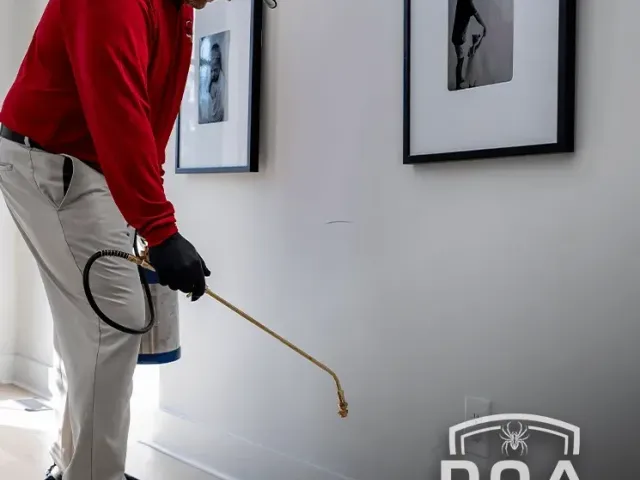
When it comes to effective pest control, prevention is always better than reaction. Scheduled inspections by the professionals at DOA Pest Services provide homeowners and business owners with a reliable, proactive approach to identifying pest problems before they escalate into costly infestations.
1. Early Detection Saves Money
Routine inspections help catch early signs of pest activity—such as droppings, nesting material, or minor structural damage—that often go unnoticed. By addressing these issues early, you avoid the need for intensive treatments or expensive repairs down the line.
2. Tailored Recommendations for Your Property
Every property is different. Whether it’s a residential home or a commercial facility, DOA Pest Services tailors its inspection process to your specific environment. We assess risk areas, look for seasonal threats, and provide practical recommendations you can act on immediately.
3. Seasonal Awareness and Timing
Different pests are more active during certain times of the year. Our scheduled inspections are timed to align with these seasonal patterns—such as rodent activity in fall or termites in spring—so you’re always ahead of the problem.
4. Peace of Mind with Professional Monitoring
Knowing that your property is being regularly monitored by trained pest control experts gives you peace of mind. You won’t be caught off guard by sudden infestations, and you’ll always have a plan in place for pest prevention and control.
5. Long-Term Protection with a Trusted Partner
With DOA Pest Services, inspections are more than just a checklist—they’re part of a long-term partnership to protect your property. Our technicians document findings, track trends over time, and adjust your service plan as needed to ensure maximum effectiveness.
Regular inspections are the backbone of any strong pest management strategy. Let DOA Pest Services help you stay proactive, stay protected, and stay pest-free—year-round.
Frequently Asked Questions
-
What are some basic preventative measures to avoid pest problems?
Regularly clean your home, seal entry points, and store food in airtight containers to deter pests. -
How often should I schedule inspections with exterminators in Nashville?
It’s recommended to schedule inspections at least twice a year to catch any potential pest issues early. -
Can commercial pest control in Nashville help with preventative measures?
Yes, commercial pest control services offer tailored preventative strategies to keep your business pest-free. -
What are common signs of a pest infestation?
Look for droppings, gnaw marks, and unusual odors as these are typical indicators of a pest problem.