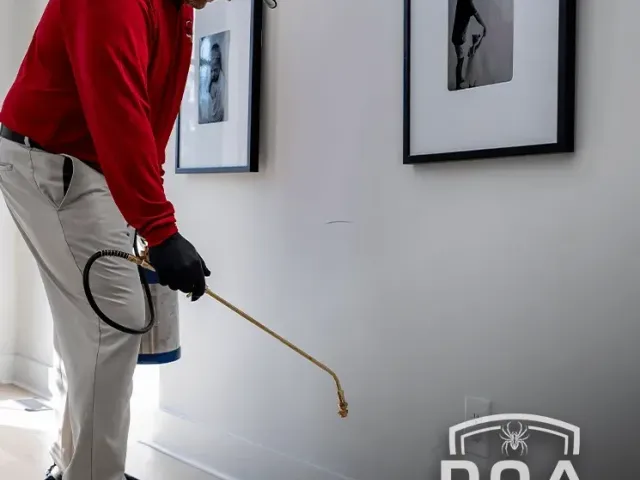
Winter is often seen as a quiet season for pest activity, but in reality, colder weather drives many pests indoors in search of warmth, shelter, and food. As a result, homeowners commonly turn to a pest spray to manage unwanted activity during the colder months. However, winter treatments require careful planning, proper safety considerations, and an understanding of how seasonal conditions affect pest behavior. Knowing what to do before spraying your home can ensure treatments are effective and reduce the likelihood of recurring issues.
How Winter Conditions Affect the Success of a Pest Spray
Winter pest behavior differs significantly from warm-weather activity. Many pests become slower outdoors but much more active indoors as they retreat into heated spaces. Because pests hide deeper within walls, gaps, and insulation during colder months, spraying without a structured approach may offer only temporary relief.
Key winter considerations include:
- Pests move closer to heat sources such as kitchens and bathrooms
- Many pests overwinter behind walls and under flooring.
- Sprays do not reach hidden spaces without proper application methods.
Winter treatment effectiveness often depends on identifying where pests have relocated. Failing to consider these patterns often leads homeowners to rely on surface-level spraying that provides little long-term control. Seasonal guidance on common winter mistakes shows how overlooking inspection and preparation limits successful results.
Preparing Your Home for Safe and Effective Treatment
Before applying any pest spray, it is important to prepare the environment properly. This improves product performance and reduces the risk of pests escaping deeper into the home. Preparation also helps identify underlying issues such as moisture, entry points, or clutter that may be contributing to infestation.
Important preparation steps include:
- Cleaning areas that attract pests, such as flooring edges and food storage zones
- Moving furniture or appliances slightly away from the walls
- Reducing clutter that provides shelter for pests
- Checking for moisture issues around sinks and drains
These steps make treatments more efficient and help reveal areas requiring professional evaluation. Homeowners should avoid relying solely on a single spray application. Winter pests often require targeted methods and follow-up checks to ensure that hidden populations are addressed.
Safety Considerations Before Using Any Pest Spray Indoors
Many homeowners assume that using a pest spray indoors is straightforward. However, improper application can cause health concerns, reduce treatment effectiveness, or create unnecessary exposure risks. Winter spraying needs special attention because closed windows and limited ventilation can affect safety.
Key factors to consider include:
- Reading and following label instructions carefully
- Avoiding overapplication in enclosed spaces
- Ensuring proper ventilation after treatment
- Storing products safely away from pets and children
Families with young children or animals must take additional precautions. Our resource covering safe treatment around family spaces highlights why certain products and application methods require professional oversight to ensure they remain safe for occupied indoor environments. Even natural or over-the-counter options can be harmful when used incorrectly.
DIY treatments often fail to consider chemical interactions, room size, or pest behavior. This is why expert guidance is strongly recommended for winter spraying, especially for recurring infestations.
When a Professional Approach Is Better Than DIY Spraying
Some homeowners turn to a pest spray as a quick fix. While this may reduce visible pests for a short period, most winter pests hide in areas that surface sprays cannot reach. These pests include roaches, ants, spiders, and rodents, each of which requires targeted strategies based on their specific behaviors and access points.
Professional treatments provide important advantages such as:
- Thorough inspections that locate hidden nests and entry routes
- Products designed for deeper penetration into winter hiding spots
- Methods that reduce pest mobility within the home
- Structured follow-up plans to confirm long-term effectiveness
Winter spraying without proper assessment often forces pests to retreat deeper into walls or shift to new areas of the home. Professionals know how to prevent this, and they can apply solutions that address multiple stages of pest development.
DIY spraying also tends to overlook contributing factors such as structural vulnerabilities, sanitation issues, or moisture problems. Without addressing these, infestations are likely to return once conditions change later in the season.
Ensuring Long-Term Prevention Throughout the Winter
Spraying alone is rarely enough to keep a home protected for the entire winter. Complete winter control requires a combination of monitoring, exclusion, sanitation, and strategic treatment. The goal is to limit the conditions that attract pests while addressing any active populations.
Homeowners can support long-term prevention by:
- Sealing access points around doors, windows, and utility openings
- Managing indoor humidity levels
- Keeping food stored securely in sealed containers
- Vacuuming regularly along baseboards and under furniture
These habits strengthen overall protection but are most effective when paired with professional input. Winter pests often move secretly through wall voids and shared structural spaces that homeowners cannot reach. A coordinated plan ensures pests are removed safely and prevents future problems as temperatures continue to fluctuate.
Professional evaluations also help determine whether additional winter treatments are necessary or if underlying issues need repair. This reduces the risk of persistent infestations and keeps the home healthier and safer throughout the season.
A Better Way to Protect Your Home This Winter
If you want effective and safe winter pest protection, reach out to DOA Pest Service. We provide expert guidance and structured solutions that help keep your home pest-free throughout the colder months.