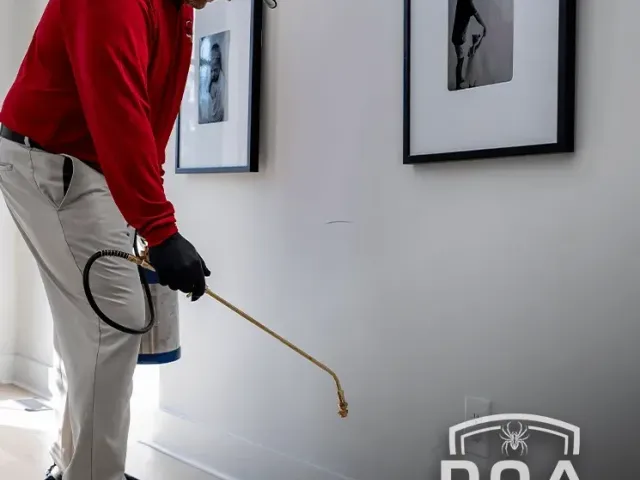
When homeowners compare pest control costs, the age and construction style of the property play a major role. A historic home and a newly built home may face similar pest threats, but the way those threats are inspected, accessed, and treated can differ significantly. These structural differences directly influence time on site, complexity of service, and long-term prevention planning.
Historic homes often contain craftsmanship and materials that require careful handling. Modern homes usually benefit from tighter building envelopes and standardized layouts. However, neither type is immune to pest activity. The difference lies in how pest vulnerabilities are identified and addressed.
Below is a practical breakdown of how pest control costs can vary between historic and modern properties and why professional inspection remains central to efficient pricing.
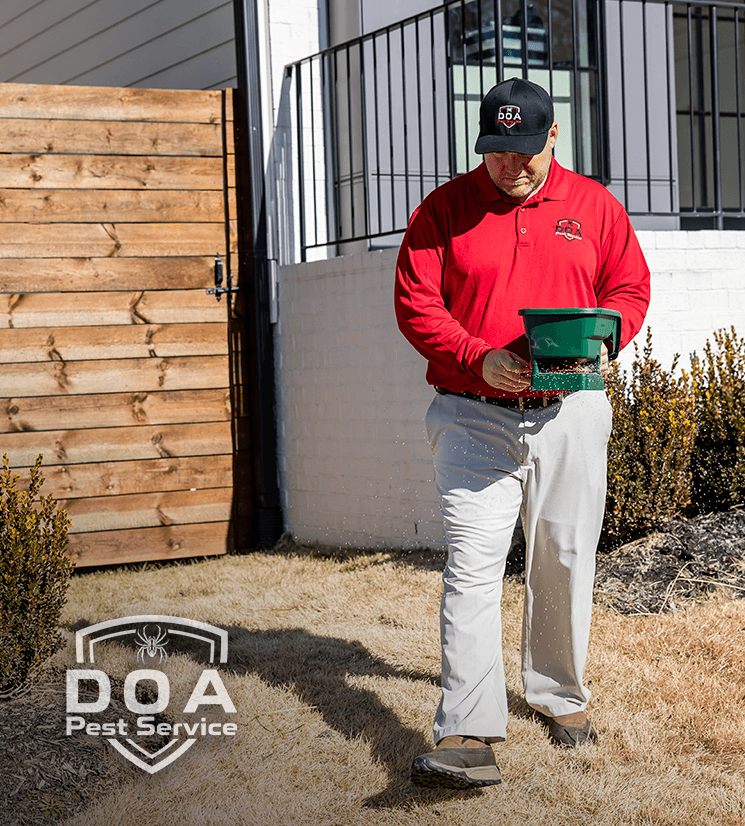
Structural Characteristics That Affect Pest Control Cost
The construction features of a home influence how pests enter, where they hide, and how treatments are applied. Historic homes frequently present more variables that require detailed inspection and tailored solutions.
Common cost drivers in historic homes include:
- original wood framing with settling gaps and small cracks
- plaster walls with irregular voids that limit direct access
- aging brick or stone foundations with deteriorating mortar
- retrofitted plumbing or electrical lines that leave hidden openings
- vented crawl spaces with inconsistent airflow
Modern homes typically feature more uniform construction standards. This can simplify access and treatment in many cases. Features often include:
- sealed crawl spaces or slab foundations
- energy-efficient windows and tighter door seals
- standardized framing and drywall assemblies
- updated insulation and moisture barriers
While newer construction can reduce some entry points, it can also conceal pest activity longer. Sealed environments sometimes trap moisture, creating favorable conditions for termites, cockroaches, or rodents if not monitored carefully.
Because historic homes often require more detailed inspection and careful application methods, pest control costs may reflect the additional labor and precision required.
Access and Layout Complexity
Access is one of the most influential variables in pest control pricing. The easier it is to inspect and treat vulnerable areas, the more predictable the service becomes.
Historic homes may present:
- narrow crawl spaces or limited attic access
- multiple additions constructed over decades
- irregular floor plans with hidden voids
- decorative trim that creates small recurring entry points
Modern homes often have clearer access routes and predictable layouts. Utility penetrations are easier to trace, and construction materials are more consistent. However, complexity still arises when landscaping contacts siding, when moisture accumulates near foundations, or when insulation conceals nesting activity.
The time required to locate pest entry points, confirm infestation levels, and apply treatment safely influences pest control cost in both home types. Inspection-driven service helps ensure that effort is focused where it matters most rather than relying on broad, untargeted applications.
Seasonal Pest Activity and Its Influence on Pricing
Seasonal changes affect both historic and modern homes, but structural age can amplify certain vulnerabilities. Temperature fluctuations may widen small cracks in older materials. Humidity can increase moisture accumulation around aging foundations. These factors influence how often monitoring and preventive treatments are needed.
Understanding local seasonal pest patterns is critical. In regions like Nashville, pest behavior shifts noticeably with the seasons. A detailed look at seasonal pest activity trends helps explain why timing matters when planning preventive service.
Seasonal pressure may influence pest control costs in several ways:
- increasing service frequency during peak activity
- adjusting treatment focus based on seasonal pest type
- reinforcing exterior barriers before temperature shifts
Historic homes may require closer observation during high-activity seasons due to structural settling and material aging. Modern homes may experience seasonal rodent entry or moisture-driven insect activity despite tighter construction.
Effective planning accounts for these patterns rather than reacting after infestations grow.
Inspection and Prevention Planning
Routine inspections are the most reliable way to manage pest control cost over time. Without structured evaluation, minor issues can escalate into larger infestations that require more extensive intervention.
In historic homes, inspections often focus on:
- exposed wood and signs of termite activity
- crawl space ventilation and moisture conditions
- foundation gaps and entry points around original materials
In modern homes, inspections may concentrate on:
- sealed crawl spaces for condensation
- insulation voids where rodents may nest
- perimeter landscaping that bridges exterior and interior zones
The long-term financial benefit of routine inspections becomes clear when early intervention prevents structural damage. A deeper explanation of this approach can be found in this discussion about preventing costly infestations through seasonal inspections.
Consistent inspections stabilize pest control costs because they reduce emergency visits and unexpected repairs. Instead of reacting to visible infestations, prevention strategies focus on maintaining protection year-round.
Long-Term Cost Efficiency in Older and Newer Homes
When comparing pest control costs between historic and modern homes, the key factor is not simply age. It is how the property is maintained, inspected, and protected over time.
Historic homes may require:
- enhanced monitoring for wood-destroying organisms
- customized exclusion work to preserve original materials
- moisture management to protect aging foundations
Modern homes often benefit from:
- routine perimeter treatments
- proactive sealing of utility penetrations
- landscaping adjustments to reduce pest pathways
Both home types benefit from structured pest prevention plans that adapt to seasonal risk and structural conditions. Professional planning ensures that treatments remain targeted and efficient rather than repetitive and reactive.
Ultimately, pest control cost reflects inspection depth, treatment complexity, and prevention consistency. Historic homes may demand additional care due to aging materials and unique construction. Modern homes may require vigilance in managing moisture and concealed voids.
Get a Customized Cost Assessment for Your Property
If you want a clear understanding of pest control costs for your historic or modern home, contact DOA Pest Service. We will evaluate your property’s structure, seasonal risk, and long-term prevention needs to design a plan that protects your investment efficiently and responsibly.