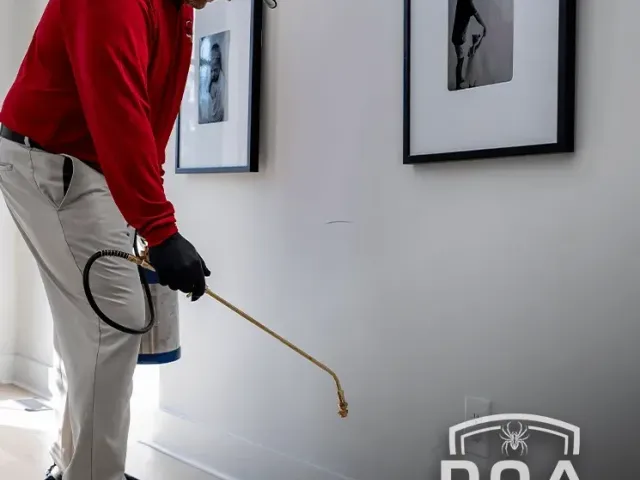
DIY pest control can seem appealing at first. Products are easy to find, instructions sound simple, and the promise of quick relief is tempting. In Tennessee homes, however, those short-term fixes often fail to address the real problem. From an expert perspective, the issue is not effort. It is that pest activity in this region is shaped by climate, structure, and seasonal pressure that surface-level solutions rarely resolve.
Tennessee’s mix of humidity, mild winters, and long warm seasons allows pests to remain active longer than in many other regions. As a result, pest control in Tennesee requires more than spot treatments and store-bought products. Understanding why DIY approaches fall short helps explain why infestations so often return.
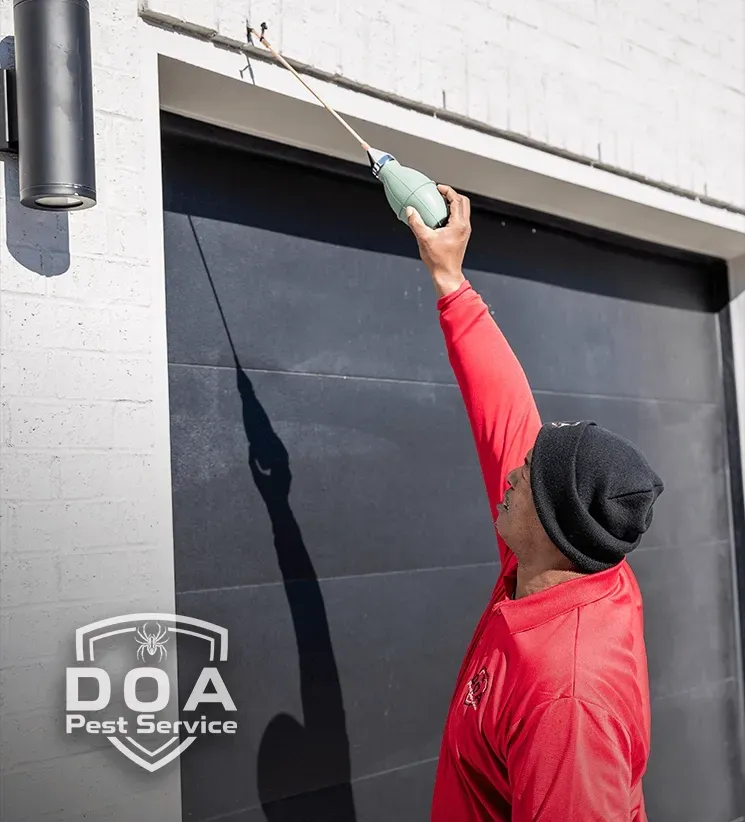
Tennessee’s climate creates constant pest pressure
The environment plays a major role in pest behavior. Tennessee’s climate supports a wide range of pests throughout much of the year. Warm temperatures combined with frequent moisture create ideal conditions for nesting, breeding, and survival.
Key environmental factors include:
- High humidity that supports insects and moisture-seeking pests
- Mild winters that allow populations to remain active rather than die off
- Heavy rainfall that drives pests indoors for shelter
- Long warm seasons that extend breeding cycles
DIY products are usually designed for limited, short-term exposure. They rarely account for ongoing environmental pressure. Even when initial results seem positive, pests often return as conditions remain favorable.
Hidden infestations are easy to miss
One of the most common reasons DIY pest control fails is that it focuses on what is visible. Many pests do not live where they are seen. They hide inside wall voids, crawl spaces, attics, and structural gaps, emerging only to feed.
DIY methods often miss:
- Nesting sites located behind walls or beneath flooring
- Moisture-driven harborages inside crawl spaces
- Entry points around plumbing, vents, and foundations
- Satellite colonies that extend beyond the main activity area
Without identifying where pests are coming from and why they are staying, treatments tend to chase symptoms rather than solve the cause. This is why repeated applications feel necessary, yet lasting relief remains elusive.
Seasonal shifts undermine one-time treatments
In Tennessee, pest activity shifts with the seasons rather than disappearing. Spring moisture, summer heat, fall migration, and winter shelter-seeking all influence how and where pests behave. DIY treatments rarely adapt to these changes.
Seasonal challenges include:
- Increased ant and insect movement during spring rains
- Higher reproduction rates during warm summer months
- Pests relocating indoors as temperatures cool
- Continued activity in protected areas during winter
Understanding how pests behave throughout the year explains why timing matters. A deeper look at seasonal inspections shows how proactive evaluation reduces the chance of infestations escalating during seasonal transitions.
DIY methods lack strategic planning
Most DIY pest control relies on generalized instructions. These directions do not consider the unique layout, materials, or vulnerabilities of a specific home. Two houses on the same street can experience very different pest pressure based on construction details and surrounding conditions.
DIY approaches often fall short because they:
- Apply products broadly instead of targeting activity zones
- Overlook structural and environmental contributors
- Lack follow-up monitoring to confirm results
- Do not adjust methods when pests adapt or relocate
Professional strategies are built around inspection, targeted action, and verification. Without those elements, DIY efforts can unintentionally scatter pests, drive them deeper into structures, or create a false sense of control.
Regional pest patterns require local expertise
Tennessee pest activity is not uniform across the state. Local conditions influence which pests are most active and when pressure peaks. Homes in urban areas, wooded regions, or near water sources face different challenges.
Recognizing Nashville pest patterns helps illustrate how local trends affect infestation risk and why a one-size-fits-all approach rarely succeeds.
Regional factors that affect outcomes include:
- Proximity to wooded areas or green spaces
- Older construction styles with crawl spaces
- Soil conditions that attract subterranean pests
- Neighborhood-level pest pressure
DIY solutions do not account for these variables. They treat the home as isolated, when in reality it is part of a larger environment influencing pest movement and survival.
Why professional pest control delivers longer-lasting results
Professional pest control focuses on understanding the entire picture. Inspections identify not just pests, but the conditions allowing them to thrive. Treatments are selected and applied based on evidence, not assumptions. Monitoring confirms whether activity is declining or shifting.
This approach reduces the cycle of repeated infestations. Instead of reacting to sightings, professional service works to stabilize conditions so pests are less likely to return. Over time, this saves effort, stress, and cost compared to ongoing DIY attempts.
When repeated fixes stop working
If pests keep coming back despite repeated DIY efforts, it is usually a sign that the underlying issues have not been addressed. We help identify those hidden drivers and apply solutions built for Tennessee conditions. Contact DOA Pest Service and let us help restore lasting control and peace of mind in your home.