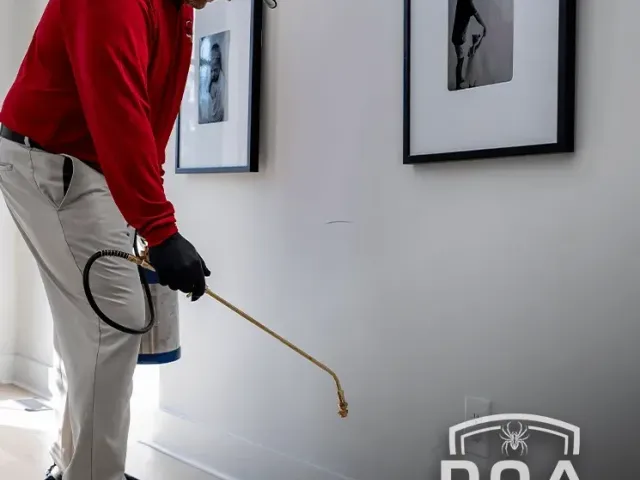
Integrated Pest Management, or IPM, is built on informed decision-making rather than routine application. It combines inspection, monitoring, environmental adjustment, biological tools, and targeted treatments to manage pest populations responsibly. One of the most important components of this system is biological control.
Biological control methods use natural enemies of pests to reduce population levels in a sustainable way. In professional pest control programs, these methods are not used in isolation. They are integrated with structural exclusion, habitat correction, and ongoing monitoring to create long-term stability.
Understanding how biological control fits into IPM helps clarify why professional oversight is essential for effective implementation.
Predatory Insects and Arthropods in IPM Programs
Predatory insects and arthropods are among the most recognized biological control agents. These organisms actively consume pest species, reducing their numbers before infestations escalate.
Common examples include:
- lady beetles that feed on aphids
- lacewings that consume soft-bodied insects
- predatory mites that target plant-feeding mites
- ground beetles that reduce larvae populations in soil
In structured pest control programs, encouraging or introducing predators requires careful environmental evaluation. Beneficial insects thrive only when habitat conditions support them. Temperature, food sources, moisture, and shelter all influence their success.
Simply releasing predators without assessing conditions often produces inconsistent outcomes. Professionals evaluate whether the environment favors both pest suppression and predator survival before recommending biological releases.
Parasitic Wasps and Targeted Biological Suppression
Parasitoids represent another important biological control method. Unlike predators that consume multiple prey, parasitoids develop inside a host pest and ultimately eliminate it.
Examples of parasitoid use in IPM include:
- wasps that parasitize caterpillars
- species that target beetle larvae
- parasitoids that suppress fly pupae
These organisms are particularly useful when pest populations are concentrated in specific developmental stages. However, timing is critical. If parasitoids are introduced too early or too late in the pest life cycle, effectiveness decreases significantly.
Professional pest control programs rely on monitoring data to determine optimal release timing. Without structured inspection and follow-up, biological control efforts may not reach their intended impact.
Microbial Agents and Pathogen-Based Control
Biological control is not limited to visible insects. Microbial agents such as bacteria, fungi, and viruses are also used within IPM frameworks.
Examples of microbial biological control include:
- bacteria that disrupt digestive systems of insect larvae
- fungi that infect and weaken targeted pests
- naturally derived pathogens that reduce reproductive capacity
These tools are often species-specific, which helps minimize unintended environmental effects. However, environmental factors heavily influence performance. Sunlight exposure, humidity, and rainfall all affect microbial viability.
This level of sensitivity reinforces why pest control strategies must be carefully calibrated. Professional evaluation ensures microbial agents are applied under conditions that maximize effectiveness rather than diminish it.
Habitat Modification and Protecting Vulnerable Environments
Biological control also includes conserving beneficial organisms already present in the environment. Habitat modification supports natural enemies while reducing pest breeding conditions.
Effective strategies often include:
- minimizing unnecessary pesticide exposure that harms beneficial species
- adjusting moisture conditions around structures
- reducing dense vegetation that shelters pest populations
For example, outdoor moisture and untreated zones contribute to flea and tick pressures that affect both animals and indoor spaces. A deeper look at this connection can be found in our discussion about professional tick and flea protection. Environmental conditions play a direct role in pest population growth, which is why integrated planning is necessary.
Supporting natural enemies while correcting conducive conditions strengthens long-term pest control outcomes.
Why Professional Oversight Strengthens Biological Control
Biological control is effective when it is part of a structured IPM strategy. It is not a standalone solution. Pest species, environmental variables, and structural vulnerabilities all interact in complex ways.
A professional pest control approach ensures:
- accurate pest identification before intervention
- evaluation of habitat suitability for beneficial organisms
- integration of biological agents with exclusion and sanitation
- ongoing monitoring to adjust tactics as conditions change
Without these components, biological efforts may fail to suppress populations effectively. This mirrors the broader limitations of unsupervised approaches. As explained in this article on why DIY methods fail in Tennessee homes, an incomplete assessment often leaves hidden vulnerabilities unaddressed.
IPM is a system of balance. Biological control works best when aligned with structural improvements, monitoring programs, and targeted treatment when necessary.
Common Misunderstandings About Biological Methods
Biological control is sometimes misunderstood as a simple alternative to chemical treatment. In reality, it requires:
- precise timing
- accurate pest identification
- environmental compatibility
- continuous monitoring
Releasing beneficial insects without addressing entry points or moisture issues will not resolve underlying pest pressures. True integrated pest control examines the entire ecosystem surrounding a property.
When properly implemented, biological control reduces reliance on repeated chemical use and promotes long-term population management. However, effectiveness depends on expertise, not assumption.
Let’s Build a Smarter Pest Strategy Together
If you are exploring integrated pest control solutions that incorporate biological methods with inspection and monitoring, contact DOA Pest Service today. We design structured IPM programs that combine science-based biological control with comprehensive protection for your property.