Key Takeaways
- Weather changes significantly impact pest behavior and population in Tennessee.
- Warm, humid conditions often lead to increased pest activity.
- Cold weather drives pests indoors seeking warmth and food.
- Effective pest management services are crucial year-round.
- Understanding weather patterns helps in planning pest control strategies.
Practical Tips for Managing Pests in Different Weather Conditions
The climate in Tennessee plays a significant role in pest activity, with different weather conditions influencing the behavior and prevalence of various pests. The Greater Nashville area, for instance, experiences warm and humid conditions that are conducive to Mosquito Breeding Conditions. Long summers and mild winters extend their breeding season, making it crucial to implement effective pest management services. By understanding these weather patterns, you can better prepare for pest control challenges throughout the year.
In Tennessee, the trend analysis reveals that pest activity spikes during the warmer months. This is particularly true for mosquitoes, which thrive in the humid climate and abundant water sources. As a result, pest control Tennessee strategies must be adapted to address these seasonal fluctuations. Regular inspections and preventive measures can help mitigate the impact of pests during peak periods, ensuring a more comfortable living environment.
For those managing rental properties, it is essential to consider the impact of weather on pest activity. Effective pest control for rental properties involves not only addressing existing infestations but also anticipating seasonal trends. By staying informed about local weather conditions and pest behavior, property managers can implement proactive measures to protect their investments and maintain tenant satisfaction.

Analyzing Pest Activity Trends During Seasonal Changes
Seasonal changes in Tennessee significantly influence pest activity, with varying weather conditions impacting different species. During warmer months, pests like ants and mosquitoes thrive, taking advantage of the heat to breed and expand their colonies. Conversely, colder seasons drive rodents and cockroaches indoors, seeking warmth and shelter. On one hand, warmer weather is seen as a catalyst for increased pest activity, while colder temperatures are argued to push pests into residential and commercial spaces.
The fluctuating weather patterns in Tennessee present unique challenges for pest management services. Businesses, such as restaurants and warehouses, must remain vigilant year-round to prevent infestations. Experts in pest control Tennessee emphasize the importance of adapting strategies to address these seasonal shifts effectively. By understanding these trends, property owners can better prepare and protect their spaces from unwanted invaders.
For rental properties, maintaining a pest-free environment is crucial to tenant satisfaction and retention. Pest control for rental properties often involves regular inspections and treatments tailored to the specific seasonal threats. By staying proactive, landlords can minimize the risk of infestations and ensure a comfortable living environment for their tenants.
A Unique Perspective on Weather and Pest Control Strategies
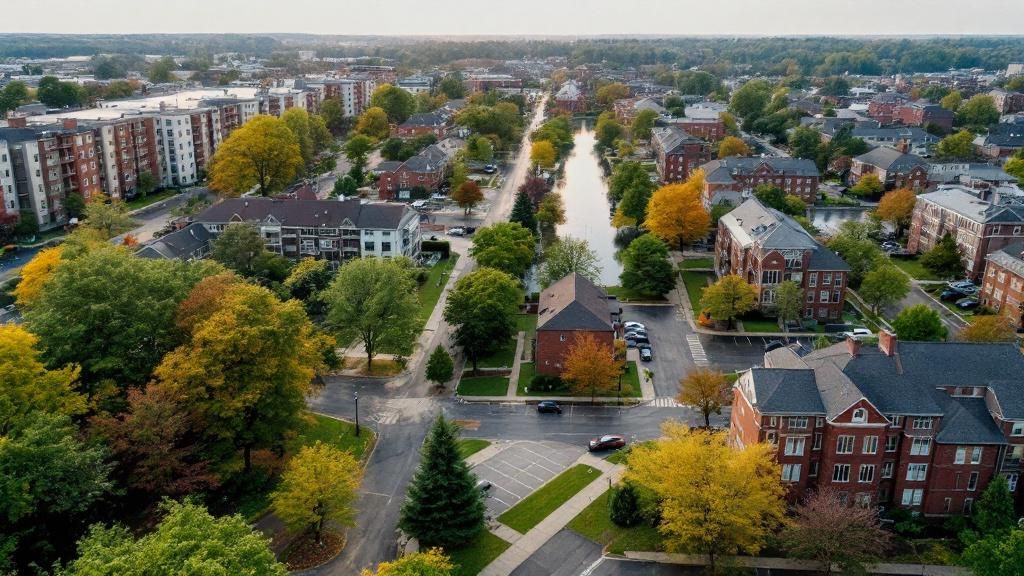
Weather plays a crucial role in influencing pest activity, particularly in regions like Tennessee. The state’s humid subtropical climate creates an ideal environment for various pests, including termites. Termite Infestation Risks are significant in the Greater Nashville area due to the humid subtropical climate. Homeowners and businesses must remain vigilant in their pest control efforts to mitigate potential damage.
The warm and humid conditions prevalent in Tennessee provide a perfect breeding ground for pests. Termites, for instance, thrive in such environments, leading to increased risks of infestations. This makes pest control in Tennessee a critical consideration for property owners, as proactive measures can prevent costly repairs and structural damage.
For those managing rental properties, understanding the impact of weather on pest activity is essential. Implementing effective pest management services can help maintain the integrity of these properties. Regular inspections and timely interventions are vital in keeping pests at bay, ensuring a safe and comfortable living environment for tenants.
Incorporating pest control strategies tailored to Tennessee’s unique climate is beneficial. By addressing the specific challenges posed by the weather, property owners can effectively protect their investments. Utilizing pest management services that are well-versed in local conditions can make a significant difference in maintaining pest-free properties.
Problem Solving in Pest Control During Extreme Weather
Extreme weather conditions significantly impact pest behavior, especially in regions like Tennessee. When temperatures soar or plummet, pests such as rodents and insects seek shelter, often invading homes and rental properties, requiring pest control in Tennessee. This behavior shift requires a strategic pest control approach, tailored to weather challenges.
Many are unaware of how pest management services adapt their strategies during extreme weather. For instance, increased rainfall might lead to a surge in mosquito populations, requiring specific interventions. Similarly, drought conditions can drive pests indoors in search of water, prompting a different set of solutions.
In Tennessee, pest control professionals must be vigilant and proactive, especially during seasonal changes. They utilize advanced techniques and tools to monitor pest activity and implement effective control measures. This ensures that both homeowners and those managing rental properties can maintain a pest-free environment, regardless of the weather.
Understanding weather’s influence on pest behavior helps you appreciate the complexity of pest control efforts. Whether it’s through regular inspections or tailored treatments, pest management services play a crucial role in protecting properties from unwanted invaders.
Frequently Asked Questions
-
How does weather affect pest activity in Tennessee?
Weather conditions such as temperature and humidity can significantly influence pest behavior, with warmer and wetter climates often leading to increased pest activity. -
Are certain pests more active during specific seasons?
Yes, pests like mosquitoes and ants are more active in the warmer months, while rodents may seek shelter indoors during colder seasons. -
Can pest management services help reduce weather-related pest issues?
Yes, professional pest management services can implement strategies tailored to seasonal pest behaviors, helping to mitigate infestations effectively. -
Is pest control for rental properties different in Tennessee?
Pest control for rental properties in Tennessee must comply with state regulations, and landlords are typically responsible for maintaining pest-free environments.