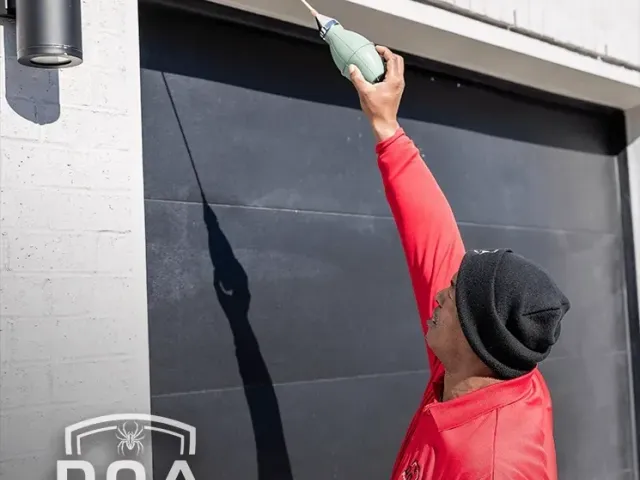
As temperatures begin to fall, pest behavior naturally shifts. Rodents, spiders, cockroaches, ants, and other cold-sensitive pests start searching for warm, sheltered environments that offer food and moisture. Homes become an ideal refuge, and without proper preparation, winter pest control becomes more challenging than expected. While many homeowners try to stay ahead of seasonal invasions, certain missteps can unintentionally make infestations worse or harder to eliminate.
Understanding these mistakes helps homeowners strengthen their preventative efforts and create a more secure living environment. This guide breaks down the most common oversights and explains how strategic planning reduces the risks associated with winter pests.
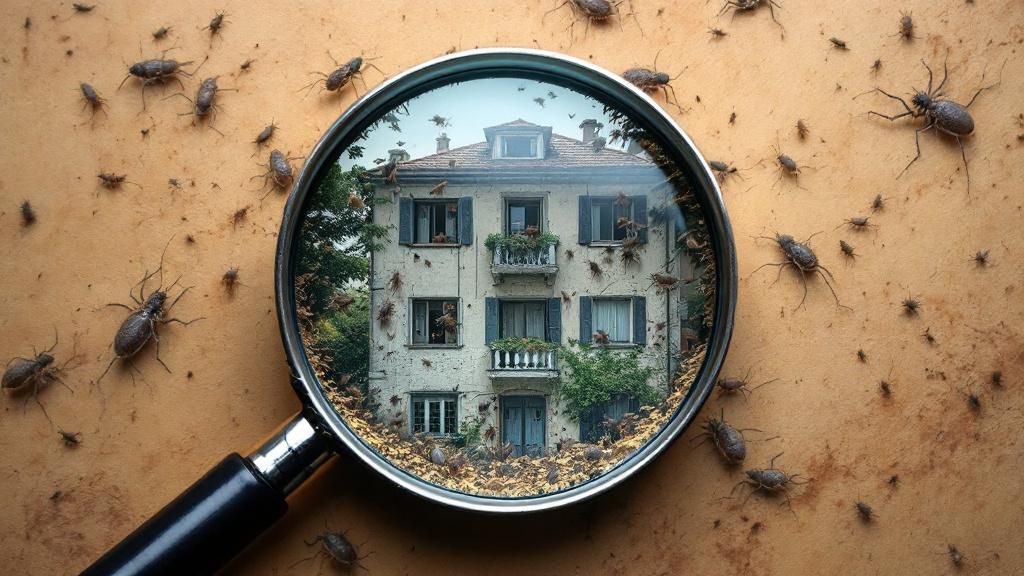
Overlooking Exterior Entry Points Before Cold Weather Arrives
One of the most common mistakes occurs outside the home. Homeowners often underestimate how easily pests can enter through small gaps or damaged areas. Rodents need only a tiny opening to squeeze through, and insects find their way in through cracks around windows, doors, utility lines, and siding.
Key oversights include:
- Failing to seal small gaps around doors and window frames
- Ignoring cracks near foundations, crawlspaces, or siding junctions
- Allowing vegetation to sit too close to the home
- Overlooking torn screens or gaps around attic vents
These issues become more pronounced as colder weather pushes pests closer to structures. Seasonal behavior shifts are explained in our article that discusses cold weather impact, which highlights how pests become more determined to enter warm indoor areas. Addressing entry points early is one of the strongest defenses against winter pest problems.
Relying Too Heavily on Store-Bought Sprays and DIY Solutions
DIY methods are often used as quick fixes, but relying on them too heavily is a major winter pest control mistake. Store-bought sprays may reduce visible activity, but they rarely reach nests, breeding sites, or hidden travel routes. Winter pests typically hide deeper in walls, insulation, basements, and attics, making surface treatments ineffective.
Homeowners frequently misstep by:
- Applying sprays only where pests are seen rather than where they originate
- Overusing chemicals that may be unsafe for pets or children
- Using incorrect products for the specific pest species
- Delaying professional inspection until infestations have grown significantly
Without proper identification and targeted treatment, pests often return or adapt. Overuse of DIY products can even repel pests into new areas of the home, making professional intervention more complex. Winter pests require precise handling, especially when they settle into warm, secluded areas that are difficult to reach without proper equipment.
Ignoring Early Warning Signs During Fall
Fall is the transitional period when pests begin migrating indoors. Missing early signs allows populations to grow unnoticed until winter, when removal becomes more challenging. Homeowners often assume isolated sightings are not a concern, but repeated activity usually indicates a larger issue.
Common early signs that are often overlooked include:
- Small droppings near storage areas, basements, or behind appliances
- Increased spider webs in corners or along ceilings
- Scratching or rustling sounds coming from the walls
- Ant trails appearing near windows, sinks, or pantry cabinets
- Unusual odors coming from crawlspaces or attic areas
These subtle clues signal developing infestations. When ignored, pests settle deeper into the home and start reproducing. Winter pest control becomes much more effective when homeowners take early fall activity seriously and avoid dismissing these warning signs.
Forgetting About Moisture Control and Food Sources
Pests are driven by three main needs: warmth, shelter, and moisture. Many homeowners prepare for winter by focusing on warmth, but forget how strongly moisture and food access influence pest behavior. Water leaks, humidity, and poor sanitation attract pests quickly during cold seasons when outdoor resources are scarce.
Mistakes in this area often include:
- Failing to repair leaking pipes or fixtures
- Allowing clutter to accumulate in garages, attic corners, or storage rooms
- Storing food in unsealed containers
- Leaving pet food exposed overnight
- Overlooking damp basements or crawlspaces
Moisture is one of the biggest contributors to winter pest infestations. Some pests, such as roaches and ants, rely heavily on water sources, while rodents seek both moisture and nesting material. Maintaining dry, orderly spaces is a foundational part of winter readiness and helps ensure that pests cannot easily thrive indoors.
Skipping Routine Preventive Services Throughout the Year
Pest control is most effective when practiced consistently. One of the most impactful mistakes homeowners make is neglecting preventive care until winter is already underway. By waiting until pests are deeply settled, removal becomes harder, more time-consuming, and potentially more expensive. Seasonal treatment works best when combined with ongoing monitoring.
Routine care prevents issues such as:
- Hidden nests developing out of sight
- Reproduction cycles accelerating before cold weather
- Structural damage going unnoticed for long periods
- Pests establishing permanent pathways into the home
Consistent oversight and year-round plans offer long-term benefits. Continuous prevention ensures homeowners are not caught off guard when temperatures drop and pest movement increases.
Taking the Right Step Before Winter Arrives
For reliable winter protection and a strategic approach to seasonal pest challenges, reach out to DOA Pest Service. We help prepare homes with safe, effective methods built for long-term prevention.