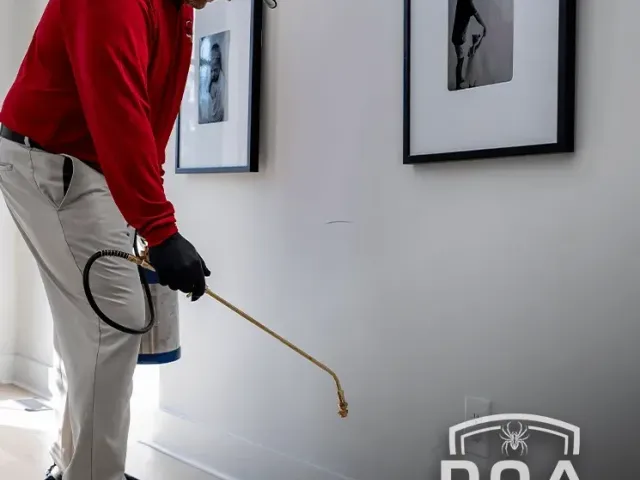
Termites rarely announce themselves. Unlike visible yard pests such as fire ants, termite activity usually unfolds behind walls, beneath floors, and inside structural wood. By the time damage becomes obvious, a home’s value may already be taking a hit. From an expert perspective, termites are not just a pest issue. They are a financial risk that grows quietly over time.
Understanding the early warning signs of termite activity gives homeowners a chance to act before damage escalates. These signs are often subtle, easy to dismiss, and frequently mistaken for age-related wear. Knowing what to look for makes a measurable difference in protecting both the structure and long-term resale value of a home.

Changes in wood that do not match normal aging
One of the earliest signs of termite damage shows up in how wood behaves. Termites consume wood from the inside out, which means surfaces may look intact while internal strength is compromised. This hidden feeding pattern often creates changes that feel unusual rather than visibly dramatic.
Watch for these indicators:
- Wood that sounds hollow when tapped
- Baseboards or trim that crumble under light pressure
- Doors or windows that suddenly stick without humidity changes
- Buckling or blistering paint with no clear moisture source
These issues are sometimes attributed to settling or seasonal shifts. However, when they appear without explanation, termites may be weakening structural components beneath the surface.
Mud tubes and subtle shelter pathways
Subterranean termites rely on moisture to survive. To move safely between soil and wood, they construct narrow mud tubes along foundations, crawl spaces, and interior walls. These tubes protect termites from air exposure and predators, making them a critical sign of active infestation.
Mud tubes may appear:
- Along foundation walls near ground level
- Inside crawl spaces or basement walls
- Behind appliances or storage areas near exterior walls
Because these tubes can be thin and blend into surfaces, they are often overlooked. A closer look at termite activity signs explains how these pathways signal ongoing feeding rather than past exposure.
Discarded wings near windows and doors
Termites reproduce by swarming. During this process, winged termites leave established colonies to form new ones. After swarming, they shed their wings, which often accumulate near windowsills, door frames, or light sources.
Signs related to swarming include:
- Small piles of clear or milky wings
- Wing fragments near baseboards or vents
- Increased insect activity near light sources
Swarming does not always mean active damage inside the home, but it does indicate a mature colony nearby. When swarms occur indoors, it raises concern that termites are already established within the structure.
Crawl space conditions that invite long-term damage
Crawl spaces play a major role in termite risk. These areas often provide darkness, moisture, and direct access to wooden framing. When crawl space conditions are poorly managed, termites can feed undisturbed for extended periods.
High-risk crawl space conditions include:
- Exposed wood with soil contact
- Ongoing moisture from poor ventilation or drainage
- Organic debris stored beneath the home
- Limited access that delays inspection
Maintaining this area is essential for protecting home value. Understanding pest-free crawl spaces helps clarify how environmental control reduces termite pressure and supports long-term structural health.
Cosmetic issues that mask deeper problems
Termite damage is often mistaken for cosmetic defects. Cracked drywall, peeling paint, or small surface holes may seem minor, but they can indicate movement or hollowing behind walls. These surface changes sometimes appear near areas where termites are feeding unseen.
Pay attention to:
- Drywall that feels soft or sounds hollow
- Paint that bubbles without moisture leaks
- Hairline cracks that continue to widen
- Trim separating from walls or ceilings
These signs are especially concerning when they appear alongside other indicators like wood damage or swarm evidence. Addressing only the cosmetic layer leaves the underlying issue unresolved.
Why termite damage directly affects property value
Termite damage impacts more than repair costs. It affects inspections, disclosures, buyer confidence, and negotiating power during a sale. Even previous damage that has been repaired may raise concerns if the original cause was not clearly addressed.
Termites reduce home value by:
- Compromising structural integrity
- Triggering costly repairs before resale
- Creating red flags during buyer inspections
- Raising concerns about long-term maintenance
Unlike pests that cause temporary disruption, termites change how a property is evaluated. This is why early detection and professional assessment matter. Waiting until damage is obvious often means value has already been lost.
Protect the value you have worked for
Termites do their damage quietly, but the consequences are loud when it comes time to repair or sell. If any of these signs sound familiar, we are ready to help assess the situation and protect what matters most. Contact DOA Pest Service to take the next step toward safeguarding your home’s value with confidence.