Key Takeaways
-
Integrating natural pest control into IPM enhances sustainability and reduces chemical use.
-
Eco-friendly pest control methods protect beneficial insects and the environment.
-
Organic and biological pest control options are effective and safe for residential use.
-
Natural pest control can be implemented easily with household tools and tactics.
-
Combining traditional and natural methods in IPM leads to long-term pest management success.
As homeowners grow increasingly concerned about environmental health and chemical exposure, Integrated Pest Management (IPM) has emerged as a smarter, more sustainable alternative to traditional pest control. At the heart of IPM lies a powerful concept: balance. And one of the most effective ways to maintain this balance is by integrating natural pest control methods that work with—rather than against—your environment.
In this guide, we’ll break down how natural pest control fits into the IPM model, why it matters in residential settings, and how you can use these principles to protect your home without compromising your health or the ecosystem.
What Is Integrated Pest Management?
Integrated Pest Management (IPM) is a proactive, science-based strategy that prioritizes long-term prevention over short-term eradication. It focuses on understanding pest behavior, monitoring population levels, and using a combination of techniques to manage infestations with minimal environmental disruption. IPM works in four main phases:
-
Prevention – Sealing entry points, maintaining cleanliness, and eliminating food sources.
-
Monitoring – Regular inspections to track pest activity and environmental conditions.
-
Control – Employing non-chemical solutions like traps, barriers, and beneficial insects.
-
Evaluation – Assessing the effectiveness of treatment plans and adjusting as needed.
Pesticides are used only as a last resort and, even then, applied in the most targeted and minimal way possible.
Why Natural Pest Control Belongs in IPM
Natural pest control enhances IPM by reducing the need for synthetic chemicals while maintaining effective pest suppression. Benefits include:
-
Preserving beneficial insects like pollinators and natural predators
-
Avoiding chemical exposure for children, pets, and indoor air quality
-
Minimizing pesticide resistance in pest populations
-
Supporting soil health and plant biodiversity
Examples of natural pest control methods include neem oil sprays, diatomaceous earth, sticky traps, predator insects (like ladybugs or nematodes), and even companion planting in gardens.
Proven Impact in Agriculture—And Why It Matters at Home
While many natural pest control studies focus on agriculture, the data is encouraging for homeowners too:
-
Natural predators reduce pest numbers by an average of 73% in controlled environments.
-
Farms with high natural pest control integration see 25% increases in crop yields.
These stats highlight the scalable potential of IPM—from fields to backyards—and support the use of natural strategies in managing residential pests effectively and affordably.
Traditional Pest Control vs. Integrated Pest Management
Many homeowners still rely on traditional pest control methods that emphasize chemical sprays and scheduled treatments. Here’s how they compare:
Traditional Pest Control:
-
Heavy reliance on pesticides
-
Reactive (after infestations occur)
-
Potential harm to non-target organisms
-
Higher health risks for humans and pets
IPM with Natural Methods:
-
Preventative and holistic
-
Reduced or minimal pesticide use
-
Safe for indoor use
-
Focus on long-term pest suppression
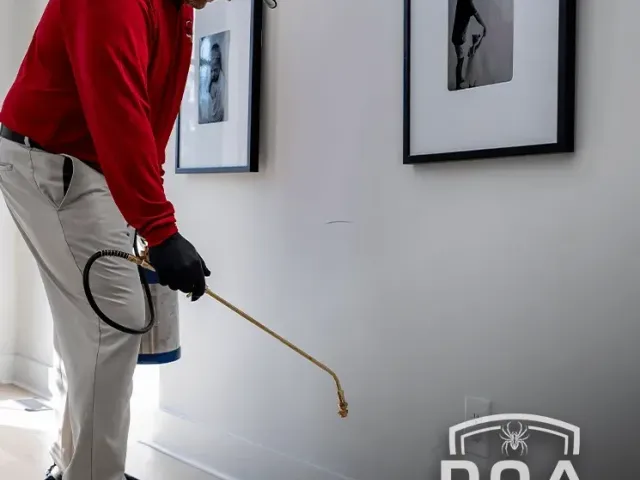
Companies like DOA Pest Service implement IPM strategies in both commercial and residential settings, tailoring eco-friendly solutions that are aligned with environmental and public health standards.
Real-World Natural Pest Control Techniques for Homeowners
Implementing natural pest control at home doesn’t require expensive equipment or deep expertise. Here are a few methods that align with IPM principles:
-
Seal cracks and crevices to block entry points.
-
Use food-safe repellents like citrus oils, peppermint oil, or vinegar.
-
Encourage natural predators by planting pollen-rich flowers or installing bat houses.
-
Deploy physical barriers like mesh screens, copper tape, and sticky traps.
-
Maintain yard hygiene by trimming vegetation and removing standing water.
These efforts can be incredibly effective when combined with consistent monitoring and evaluation.
Looking Ahead: The Future of IPM and Natural Solutions
The natural pest control industry is growing rapidly, driven by demand for safer and greener alternatives. Innovations include:
-
Biological control agents such as parasitic wasps and soil microbes
-
Smart sensors and AI tools that monitor pest activity in real-time
-
Eco-friendly sprays that degrade safely and leave no residue
These trends will likely shape the next generation of pest control—more targeted, data-driven, and ecologically sound.
Implementing IPM Successfully: Tips for Homeowners
Whether you’re managing ants, roaches, rodents, or garden pests, a few foundational IPM practices can go a long way:
-
Start with prevention. Seal entry points and eliminate attractants.
-
Understand your pests. Know what species you’re dealing with to choose the right natural control.
-
Rotate methods. Don’t rely on one tactic. Mix mechanical, biological, and natural solutions.
-
Document results. Track what works and what doesn’t, so you can refine your strategy.
Hiring a professional can also help if you’re unsure how to implement these practices. Expert technicians trained in IPM offer insights that balance efficiency and environmental care.
A Healthier, Smarter Way to Control Pests
Integrated Pest Management isn’t just for farmers or large institutions—it’s for every homeowner who wants a cleaner, greener, and more effective way to deal with pests. Natural pest control options offer a practical starting point for reducing chemical use, improving results, and protecting what matters most: your family, pets, and the planet.
For residents in Tennessee, partnering with a team like DOA Pest Service ensures that pest issues are handled with precision and care. By combining science-backed methods with an eco-conscious mindset, IPM offers a future-forward approach to home pest management.

Frequently Asked Questions
What is Integrated Pest Management (IPM)?
A pest control strategy that uses a mix of biological, cultural, mechanical, and chemical tools to manage pests in a safe, effective, and environmentally responsible way.
Can natural pest control methods really work indoors?
Yes. Many eco-friendly options like essential oils, traps, and exclusion techniques are highly effective for indoor use.
Is IPM only for farms or big properties?
Not at all. IPM works in residential homes, gardens, commercial buildings, and even schools.
Does natural pest control mean never using chemicals?
Not necessarily. IPM allows for minimal, targeted use of pesticides when other methods aren’t sufficient.
How do I get started with IPM at home?
Begin with prevention, monitoring, and low-risk natural methods. When in doubt, consult a pest control expert who offers IPM-based solutions.