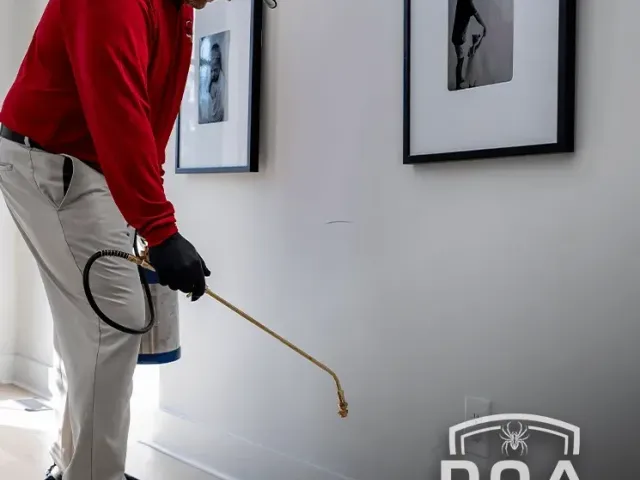
Navigating the challenges of keeping Tennessee properties pest-free demands a comprehensive approach. With the region’s distinct climate and diverse ecosystems, you face unique challenges in ensuring effective pest control. Embracing a proactive stance in pest management services is essential for preventing infestations from disrupting property harmony. Additionally, it’s crucial to tailor strategies to the specific nuisances that impact the area. You should prioritize regular inspections to detect early signs of pests like termites and rodents, and employ targeted treatments. Implementing integrated pest management techniques allows you to minimize health risks while enhancing comfort for all occupants, making these efforts invaluable in pest control for rental properties. By collaborating with local pest control Tennessee experts, you can leverage their expertise and experience to maintain the integrity of your properties effortlessly.

Understanding the Pest Landscape in Tennessee
Tennessee’s diverse pest landscape poses unique challenges that require your attention, especially in the context of property management. This area, known for its rich biodiversity, is home to pests ranging from stink bugs to subterranean termites. One of the significant challenges in this landscape is the presence of resilient pests like brown marmorated stink bugs, which can easily invade homes and buildings due to their adaptive nature. Addressing this problem involves deploying meticulous pest management services that incorporate sealing entry points and using exclusion techniques, thus preventing these pests from settling in your properties.
Furthermore, you must contend with the humid, subtropical climate that can exacerbate the spread of pests like mosquitoes and ticks, creating potential health hazards. To mitigate these issues, leveraging pest control Tennessee services that include regular inspections and strategic application of pesticides can prove effective. This ensures that your properties remain safe and comfortable environments for occupants. Additionally, understanding specific pest behaviors and life cycles allows you to implement proactive measures that protect your investment. In the realm of pest control for rental properties, employing an integrated pest management approach not only addresses current infestations but also helps prevent future ones, preserving the quality and value of your properties.

Challenges Faced by Property Managers
In the realm of property management, you face a myriad of challenges, particularly when it comes to pest control. The humid climate of Tennessee serves as an ideal breeding ground for a range of pests, from rodents to cockroaches. Your responsibility is not just to address active infestations but also to prevent them, which can be daunting given the location’s natural environment. Effective pest management services become indispensable, requiring diligence and expertise.
Tracing its evolution, pest control has grown substantially from traditional methods used in the early 20th century to today’s sophisticated approaches. As a property manager, you contend with tighter regulations and higher expectations for tenant satisfaction. The introduction of eco-friendly pest control solutions reflects a shift towards sustainable practices in Tennessee, accommodating both environmental concerns and efficacy. Navigating these dynamics while maintaining high standards of pest control for rental properties ensures the longevity and desirability of your investments. Collaborating with local experts who understand the state-specific challenges can enhance your pest control strategies, protecting the quality and comfort of your properties.

Integrated Pest Management Approaches
Integrated pest management (IPM) is a strategic approach that combines various methods to control and prevent pest infestations effectively. In Tennessee, using IPM means considering local environmental factors and pest behavior to implement the most efficient solutions. This holistic approach reduces reliance on chemical treatments and emphasizes sustainable practices. By integrating cultural, physical, biological, and chemical controls, you create a balanced ecosystem that minimizes pest disruptions.
One of the most frequently asked questions about IPM is how it can be applied to rental properties effectively. The answer lies in customizing strategies to suit the specific needs of each property. This includes routine inspections, tenant education on preventive measures, and the selective use of pesticides. By focusing on prevention and education, you empower tenants to play an active role in maintaining pest-free environments.
Physical controls, such as sealing cracks and fixing leaks, are essential components of IPM. These measures prevent pest entry and eliminate potential breeding sites, thus controlling pests before they become problematic. Encouraging tenants to report maintenance issues promptly is also crucial, as timely interventions can significantly impact pest management efforts.
Biological controls involve using natural predators or parasites to reduce pest populations. This method supports ecological balance and serves as an effective alternative to chemicals. Alongside biological controls, collaborating with pest control Tennessee experts ensures a deeper understanding of local pest dynamics, resulting in tailored solutions that protect both property integrity and tenant well-being.
Choosing the Right Pest Control Service
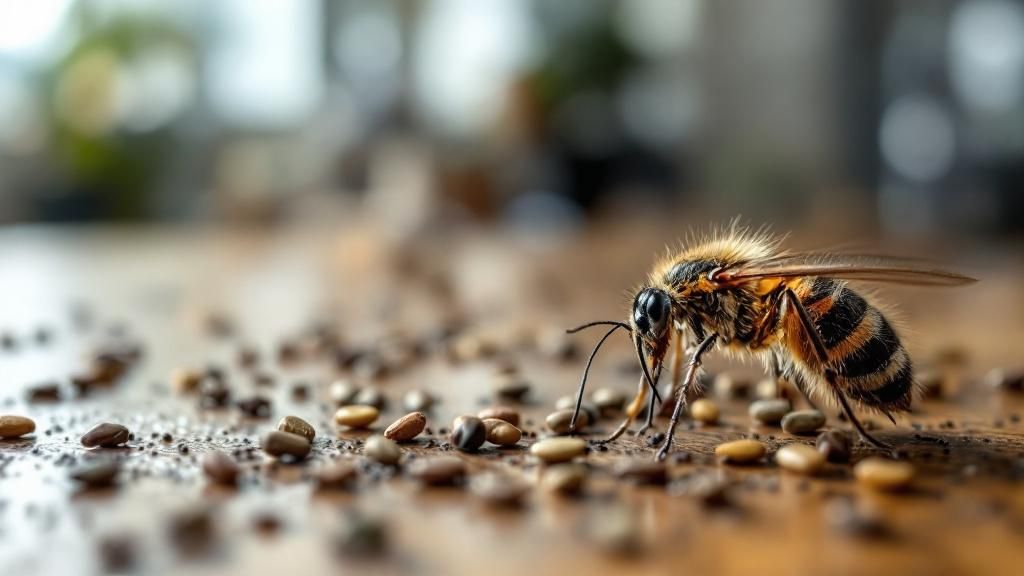
Deciding on a pest control service in Tennessee involves considering various factors to ensure you choose a reliable provider. Understanding your property’s specific pest challenges is the first step. Each property has distinct needs based on its location, size, and resident demographics. Selecting a service that offers comprehensive pest management services tailored to these needs will help keep your property pest-free effectively.
Did you know? A recent survey revealed that 80% of property managers consider reliability and responsiveness as the top criteria when choosing a pest control provider. Reliable services often guarantee timely interventions, essential for preventing pest issues from escalating. Ensuring that your chosen provider has a proven track record in pest control Tennessee can vastly improve outcomes for your properties.
Assess the pest control service’s approach to sustainability and safety. It’s crucial for providers to offer eco-friendly solutions that protect both the environment and the health of the property’s inhabitants. Checking for certifications or affiliations with reputable pest control organizations can be a good indicator of best practices and adherence to industry standards.
Collaboration with pest control professionals who understand local pest trends and behaviors is invaluable. A company with regional expertise can offer better preventive measures and treatment plans. In the realm of pest control for rental properties, establishing a long-term partnership with a knowledgeable provider not only helps address immediate concerns but also supports tenant satisfaction and property value retention.

Seasonal Pest Control Strategies
Adapting to the changing seasons is essential for effective pest control in Tennessee properties. Spring often marks the beginning of increased pest activity as temperatures rise and insects emerge from hibernation. Implementing preventative measures, such as sealing entry points and reducing standing water, is crucial during this period to deter pests like mosquitoes and ants from invading your property.
On one hand, some experts believe that fall is the most critical season for pest management due to pests seeking shelter indoors as temperatures drop. However, others argue that summer requires more vigilance, given the peak activity of termites and wasps during these months. Understanding these differing perspectives helps you prioritize seasonal strategies tailored to your property’s specific needs.
During winter, focusing on indoor pest control is advisable, as rodents and other small animals seek warm areas to nest. Regular inspections and maintenance work, including checking insulation and securing food sources, are vital to prevent infestations. Utilizing thorough pest management services can ensure the application of appropriate treatments, maintaining a pest-free environment all year round. Partnering with pest control Tennessee experts allows for nuanced approaches that protect your rental properties throughout each changing season.
Eco-friendly Pest Control Solutions
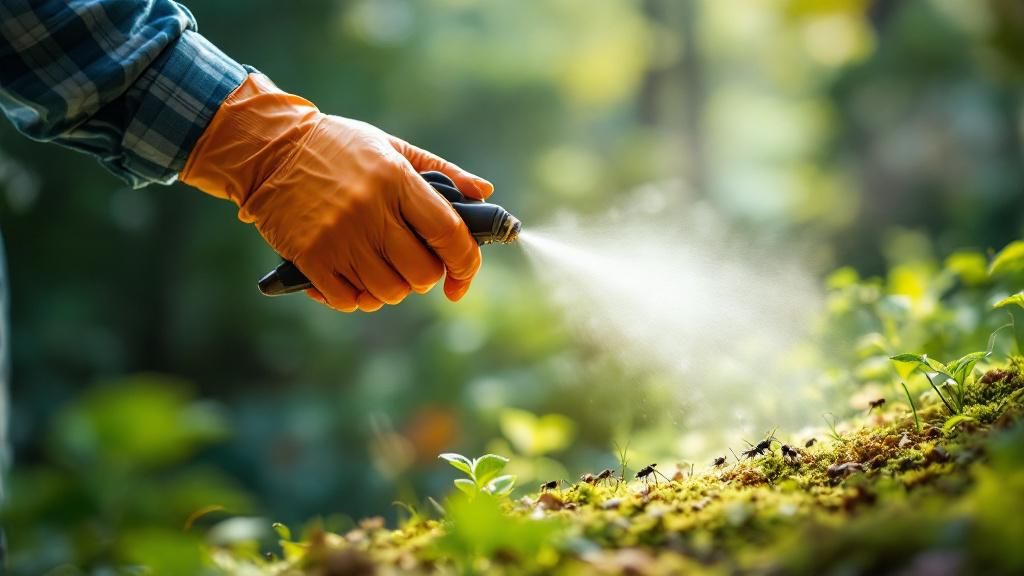
Incorporating eco-friendly pest control solutions is an increasingly popular strategy among Tennessee property managers. These solutions rely on minimal environmental impact, emphasizing the use of non-toxic products and methods. By opting for natural repellents and organic treatments, you can protect your properties while safeguarding the health of tenants and the surrounding ecosystem. This approach not only aligns with sustainable practices but also meets the growing consumer demand for greener alternatives.
One unpopular opinion about eco-friendly pest control solutions is that they are perceived as less effective compared to conventional methods. Critics argue that the results may not be as immediate or potent. However, the focus of green pest control is long-term prevention and safety, which can ultimately offer greater benefits by reducing the likelihood of infestations while maintaining ecological balance.
Techniques such as introducing natural predators, like ladybugs to manage aphid populations, demonstrate the effectiveness of biological control methods. These solutions support an integrated pest management approach, allowing for environmentally conscious treatments without sacrificing results. Utilizing local pest control Tennessee services that specialize in eco-friendly methods can further enhance your property’s sustainability.
For property managers, educating tenants about their role in maintaining eco-friendly environments is essential. Encouraging simple practices, like proper waste segregation and reducing clutter, contributes significantly to pest management efforts. By fostering collaborative engagement, you can enhance the effectiveness of eco-friendly pest control for rental properties while fostering a sense of community responsibility. Through these measures, property managers can successfully maintain healthy, pest-free environments that appeal to environmentally conscious tenants.