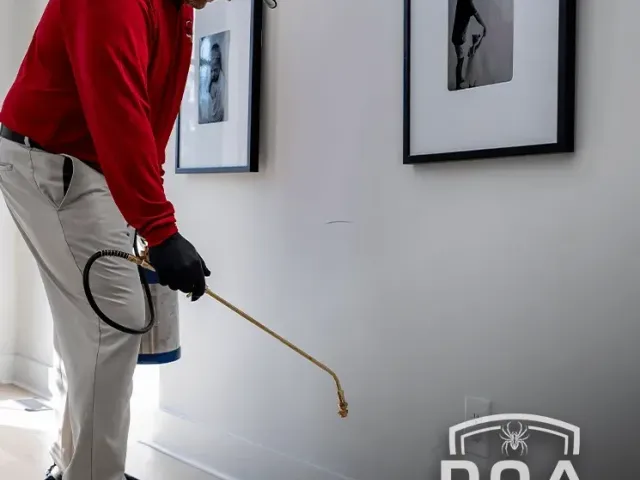
Many homeowners take pride in solving problems on their own, from plumbing fixes to small electrical repairs. However, when it comes to pests, a do-it-yourself approach rarely delivers lasting results. Store-bought sprays, traps, and home remedies may seem like convenient solutions, but they often treat symptoms rather than the source of the problem.
Pest infestations are complex and require a strategic approach that takes into account pest behavior, environmental factors, and long-term prevention. Understanding why DIY pest control fails can help homeowners make smarter, safer decisions that protect both their property and health.
The Hidden Complexity of Pest Behavior
Pests are far more adaptable than most people realize. Insects, rodents, and other nuisance species thrive because they evolve quickly and find new ways to survive even in unfavorable conditions. When homeowners use over-the-counter sprays or traps, they often underestimate how extensive an infestation really is.
Different pests require different treatment strategies. What works for ants may not work for roaches, and the same applies to rodents, termites, and spiders. DIY products typically use general formulations that may kill visible pests but leave colonies and breeding sites untouched.
For instance:
- Ants: Killing worker ants on the surface does not destroy the colony or the queen.
- Rodents: Standard traps catch a few individuals but fail to address nesting sites or entry points.
- Termites: Surface sprays cannot reach deep tunnels within walls or foundations.
Pests also reproduce quickly. Missing even a few eggs or larvae allows populations to rebound within weeks. This is why consistent monitoring and specialized treatments used in professional pest control are essential for complete eradication.
Health and Safety Concerns with DIY Chemicals
One of the most overlooked risks of DIY pest control is improper chemical use. Many over-the-counter pesticides contain ingredients that can harm people, pets, and the environment if applied incorrectly. Misuse can lead to contamination of indoor air, water sources, or food preparation areas.
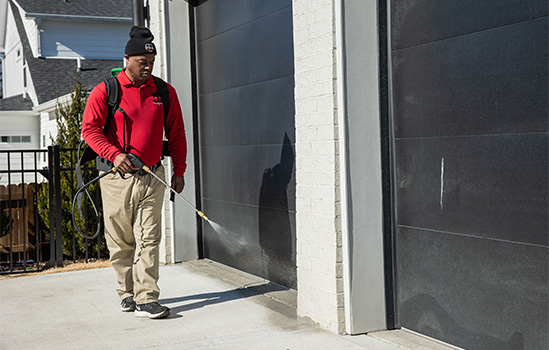
Professional pest control experts are trained to handle regulated materials safely. They know how to calculate appropriate doses, target specific species, and apply products in ways that minimize risk. DIY applications often miss these safety standards, leading to exposure hazards or ineffective results.
Improper use of chemicals can also cause pests to scatter deeper into hiding, making the infestation harder to control later. Professionals instead focus on integrated pest management, combining exclusion, monitoring, and limited chemical use to achieve lasting control without overexposure to harmful substances.
For example, when dealing with rodent activity, specialized sealing and exclusion techniques are far more effective than traps alone. Homeowners can greatly benefit from learning how to secure entry points, which is one way to protect structures before infestations begin.
Incomplete Elimination and Recurring Infestations
DIY methods often fail because they focus on visible pests rather than the source of the infestation. Many insects and rodents hide in walls, crawl spaces, attics, or foundations where household products cannot reach.
Common mistakes include:
- Spot Treatment: Applying pesticides only where pests are seen, instead of addressing hidden breeding areas.
- Lack of Inspection: Skipping a thorough evaluation of entry points, nests, and environmental conditions.
- Ignoring Prevention: Treating active infestations but failing to eliminate attractants like moisture, food crumbs, or clutter.
These short-term fixes may reduce pest sightings temporarily, but the underlying problem remains. Once the product’s effectiveness wears off, pests quickly return, often in larger numbers.
Professionals conduct detailed inspections before applying treatments, ensuring they target the source of infestation rather than surface activity. Their expertise allows them to identify subtle signs of pest behavior and use methods that permanently break breeding cycles.
Environmental and Seasonal Factors
Pest control success depends heavily on timing, temperature, and environmental conditions. Pests adapt their activity based on the seasons, and certain times of year require specific treatment plans. DIY approaches often overlook these variables, resulting in treatments that are poorly timed or ineffective.
For example, as temperatures cool, pests like spiders, ants, and rodents begin migrating indoors seeking warmth. Addressing infestations only after pests have entered the home is far less effective than applying preventive measures beforehand. Learning more about seasonal pest preparation helps homeowners understand why timing and consistency matter in maintaining a pest-free home.
Environmental balance also plays a role. Overusing pesticides can eliminate beneficial insects or disrupt natural predators that help control pest populations. Professional pest control prioritizes balance, using targeted approaches that minimize collateral impact while maintaining long-term effectiveness.
Why Professional Pest Control Works
Unlike DIY methods that rely on general solutions, professional pest control combines science, precision, and experience to eliminate infestations at their root. Experts conduct detailed inspections, identify pest species accurately, and develop customized treatment plans that address both the problem and the conditions that caused it.
Key advantages of professional pest control include:
- Accurate Identification: Knowing the exact species ensures the right treatment is used for maximum effectiveness.
- Targeted Application: Treatments are applied strategically in areas of activity, reducing chemical exposure.
- Long-Term Prevention: Professionals design integrated programs that include exclusion, monitoring, and maintenance.
- Specialized Tools: Access to advanced products and equipment unavailable in retail stores.
- Follow-Up Visits: Continued monitoring ensures the problem is fully resolved and does not return.
By partnering with licensed professionals, homeowners gain lasting protection rather than temporary relief. Pest experts not only remove active infestations but also fortify the property against future threats, ensuring safety, comfort, and peace of mind.
Protect Your Home the Right Way
DIY pest control may seem convenient, but it rarely delivers lasting results. When infestations persist or safety is at stake, professional intervention is the smartest and most reliable solution.At DOA Pest Service, we use proven techniques, expert analysis, and tailored prevention plans to keep your home pest-free. Reach out today to schedule an inspection and experience how professional pest control delivers results that last season after season.