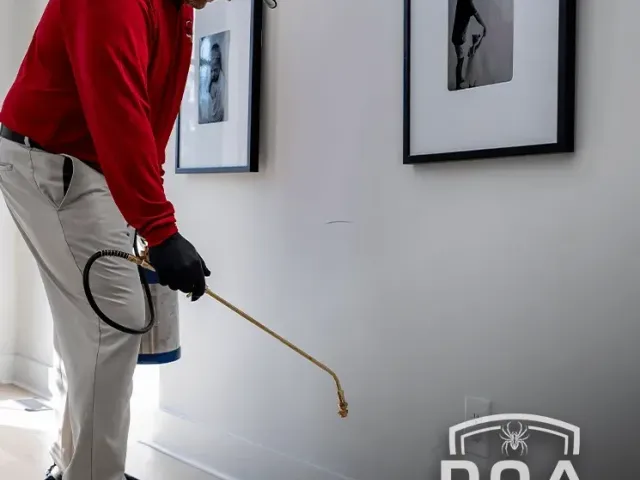
Termite activity often begins quietly, with subtle signs that are easy to overlook until the damage becomes more serious. Once any indication appears, whether it is mud tubes, discarded wings, or weakened wood, the response should be immediate and well-informed.
From a professional standpoint, the goal is not just to address what is visible, but to understand the extent of the problem and prevent it from expanding. Taking the right steps early can make a significant difference in both cost and long-term protection, especially when supported by consistent pest control strategies that help maintain year-round protection.
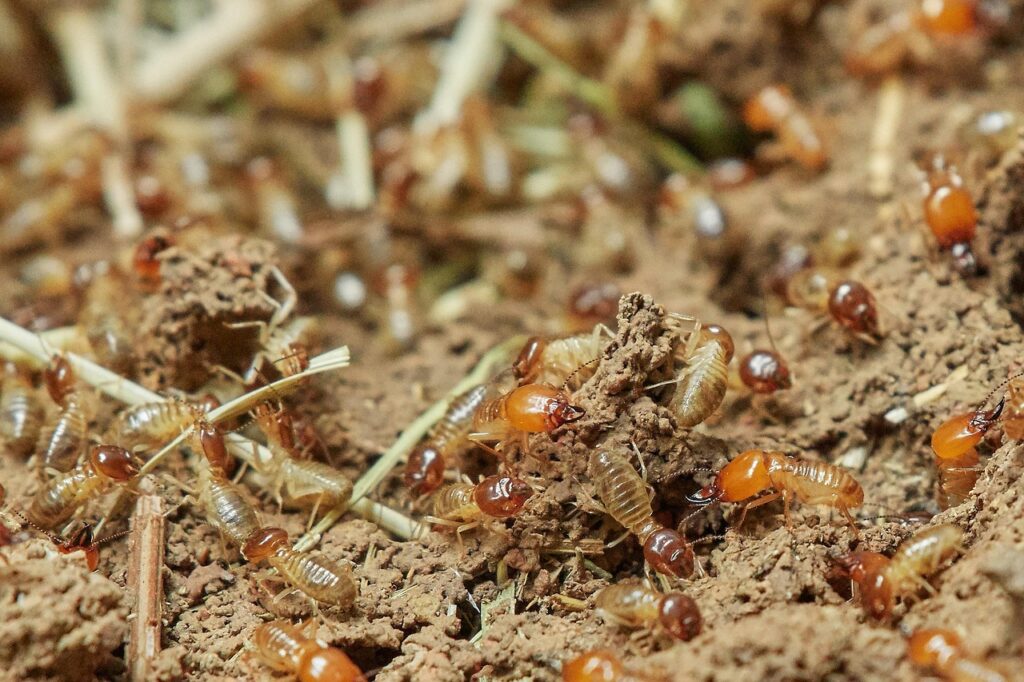
Recognizing Early Signs Before the Damage Escalates
Identifying termite activity at the earliest stage allows for a more controlled and targeted response. These pests work behind walls, under flooring, and within structural wood, which means surface-level observations often represent a deeper issue.
- hollow-sounding wood when tapped, indicating internal feeding
- mud tubes along foundations or walls, used as protective travel paths
- small piles of wings near windows or entry points after swarming
- bubbling or uneven paint that mimics water damage
- tight-fitting doors or warped frames caused by structural changes
Understanding these warning signs is critical, but recognition alone is not enough. Once activity is suspected, the next step should focus on assessment rather than assumption.
Why a Professional Inspection Becomes the Turning Point
A thorough inspection is the foundation of effective termite control. Professionals approach this process with a structured method that goes beyond visible damage, examining crawl spaces, attics, foundations, and hidden entry points.
- identification of the termite species, which influences the treatment approach
- mapping of affected and at-risk areas throughout the structure
- evaluation of moisture conditions that may be attracting activity
- detection of entry points that allow ongoing access
- documentation of structural impact to guide treatment planning
This stage is where the situation shifts from uncertainty to clarity. Rather than guessing the severity, a detailed inspection outlines what is active, what is vulnerable, and what needs immediate attention.
It also aligns with broader pest control planning. For example, understanding seasonal activity patterns can be valuable, as highlighted in our recent article on common pest activity trends in spring, where environmental conditions directly influence infestation risks.
Immediate Containment Measures to Limit Spread
Once termite activity is confirmed, containment becomes the priority. The objective is to prevent further expansion while preparing for a comprehensive pest control plan.
- avoid disturbing active areas, which can cause colonies to relocate and spread
- Reduce excess moisture around the property, especially near foundations
- Keep wood and debris away from direct contact with soil
- Limit access points by sealing visible cracks or gaps
- refrain from applying unverified treatments that may interfere with professional solutions
Containment is often misunderstood as a solution, but it is better viewed as stabilization. Without proper pest control measures, termite colonies remain active and continue to grow.
This is also where the distinction between temporary fixes and long-term solutions becomes clear. As discussed in our resource about differences between recurring and one-time treatments, consistent pest control plans are typically more effective than isolated efforts.
Treatment Approaches Designed for Long-Term Protection
Effective termite management relies on pest control methods that address both current infestations and future risks. Treatment is not a one-size process. It is tailored based on property structure, infestation severity, and environmental factors.
- targeted applications to eliminate active colonies within structural areas
- soil treatments that create protective barriers around the property
- baiting systems designed to disrupt colony growth over time
- monitoring systems to track activity and prevent reinfestation
- adjustments based on seasonal behavior and environmental changes
These approaches are designed to work together, not independently. The goal is to remove active threats while establishing conditions that make the property less attractive to termites in the future.
Incorporating consistent pest control into this process strengthens long-term results. Seasonal adjustments ensure that protection does not lapse when activity patterns shift, maintaining a steady defense throughout the year.
Building a Prevention Strategy That Lasts
Long-term termite management extends beyond treatment. It requires a proactive pest control strategy that reduces risk factors and supports ongoing protection.
- maintaining proper drainage to prevent moisture buildup near the foundation
- scheduling routine inspections to detect early signs before escalation
- keeping landscaping elements trimmed and away from structural wood
- using treated materials in areas prone to moisture exposure
- integrating pest control plans that adapt to seasonal changes
Prevention is not a one-time effort. It is a continuous process that evolves with the property and its environment. When managed correctly, it reduces the likelihood of recurring infestations and helps preserve structural integrity.
A More Certain Path Forward
When termite activity appears, the safest approach is to move quickly with informed decisions and structured solutions. Lasting protection depends on more than surface-level fixes. It requires a complete understanding of the problem and a plan designed to address both present and future risks.
If you want a clearer path to protecting your property, we invite you to connect with DOA Pest Service and let us help you take control of the situation with confidence.