Ant problems rarely start with a single insect. What most people see is only a fraction of a much larger, organized system operating out of sight. Ants are highly adaptive, colony-based pests that respond quickly to changes in their environment. This is why ant control is not a one-time fix, even when activity appears to stop temporarily.
From an expert perspective, lasting ant control depends on understanding how colonies function, where they establish themselves, and why they continue to return. Without addressing these factors, treatments may provide short-term relief while the underlying infestation remains active.
Ant Colonies Are Built for Survival
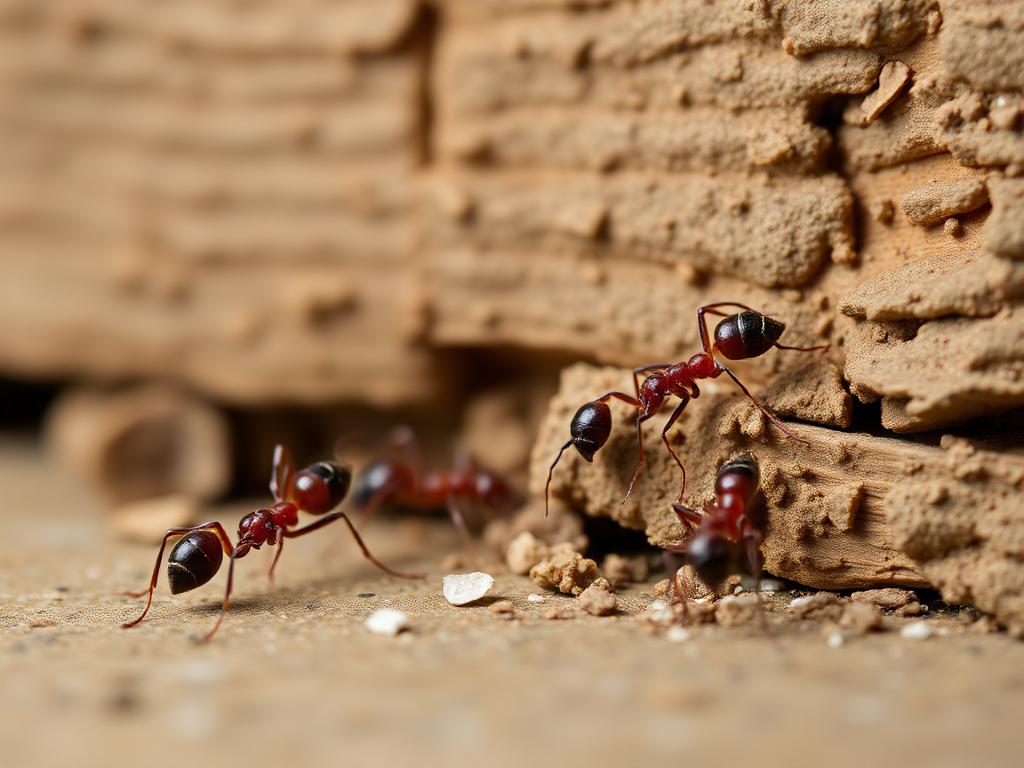
Ant colonies are designed to endure disruption. Most species maintain multiple queens, satellite nests, and complex foraging networks. When part of the colony is affected, the remaining structure adapts rather than collapses.
Key characteristics that make ants difficult to eliminate include:
- Multiple nesting locations connected underground or within structures
- Queens capable of rapidly replenishing worker populations
- Foraging trails that shift when disturbed
- Colonies that split and relocate when threatened
Because of this structure, eliminating visible ants does not eliminate the colony. In many cases, partial treatment causes colonies to fragment and spread, leading to activity in new areas of the home. Effective ant control requires addressing the entire colony system, not just surface-level sightings.
Why Ant Activity Often Comes Back After Treatment
One of the most common frustrations with ant problems is recurrence. Activity may stop for weeks or months, then return seemingly without warning. This cycle happens because ants respond strategically to pressure.
Common reasons ant problems return include:
- Colonies relocating deeper into walls or soil
- New entry points forming as structures shift
- Seasonal changes increasing food and moisture availability
- Satellite nests becoming primary nests
Ants constantly test structures for access. When conditions remain favorable, new workers emerge and resume foraging. This is why ant control must be viewed as a process rather than a single event. Without follow-up and monitoring, even effective treatments can lose impact over time.
Structural and Environmental Factors Play a Major Role
Ant infestations are rarely random. They are driven by specific conditions that support nesting and foraging. Moisture, food sources, and access points all influence whether ants can thrive inside a structure.
High-risk factors often include:
- Crawl spaces with excess moisture or soil contact
- Gaps around plumbing, wiring, or foundations
- Organic debris or vegetation near exterior walls
- Interior food sources that are consistently accessible
Crawl spaces are especially important in long-term ant control. These areas provide stable temperatures and protected nesting environments. Ongoing issues in these spaces often support repeated infestations, which is why understanding how to maintain healthy substructures matters. This is explored further in this resource on crawl space protection, which explains how overlooked areas contribute to recurring pest problems.
Why Ongoing Monitoring Makes the Difference
Ant behavior changes throughout the year. Weather, rainfall, temperature shifts, and food availability all influence how and where ants travel. A one-time approach cannot account for these changes.
Effective long-term ant control relies on:
- Regular inspection of known risk areas
- Monitoring for new entry points or trail changes
- Adjusting treatment strategies as conditions evolve
- Preventing colonies from reestablishing over time
Without monitoring, early warning signs are often missed. Small trails may go unnoticed until populations grow large enough to become disruptive again. Professional oversight focuses on interruption and prevention, reducing the chance that colonies regain a foothold.
This is where ongoing service plans provide value. Instead of reacting to infestations after they become visible, year-round strategies help keep pressure low and conditions unfavorable. The advantages of this approach are explained further in this overview of year-round pest plans, which highlights why consistency matters for long-term results.
Why Professional Ant Control Is Built for the Long Term
Professional ant control strategies are designed to account for colony biology, environmental conditions, and structural vulnerabilities. Rather than focusing on elimination alone, they emphasize prevention and adaptability.
Long-term approaches typically include:
- Identification of ant species and nesting behavior
- Targeted treatments that reach colony networks
- Structural recommendations to limit access
- Ongoing evaluation to prevent resurgence
This layered strategy reduces the likelihood of repeated infestations. It also minimizes unnecessary disruption by focusing on precision rather than broad application. Over time, professional ant control becomes more efficient because it addresses the reasons ants return, not just the ants themselves.
Ant control is rarely a one-time fix because ants are persistent, adaptive, and highly organized. Treating them effectively requires a strategy that evolves alongside their behavior. When control efforts match the complexity of the problem, results last longer and disruptions become far less frequent.
Let’s Stop Ant Problems From Cycling Back
We know how frustrating recurring ant issues can be. Our approach focuses on long-term control, prevention, and consistent monitoring rather than temporary fixes. If ant activity keeps coming back, it’s time to address the source. Contact DOA Pest Service to get started