Pest control is not just about removing visible activity. It is about understanding patterns, timing, and how infestations develop over time. This is especially important when deciding between seasonal pest treatments and one-time pest treatments, two approaches that serve very different purposes.
In many cases, the difference becomes clear only after repeated pest issues occur. A quick fix may seem effective at first, but without a broader plan, the same problems often return. This is why treatment strategy plays a critical role in long-term results.
While both methods are effective in the right context, their outcomes depend on how well they match the conditions of the property. Choosing the wrong approach can lead to repeated issues, while the right one can provide lasting control and stability.
What One-Time Pest Treatments Are Designed To Do
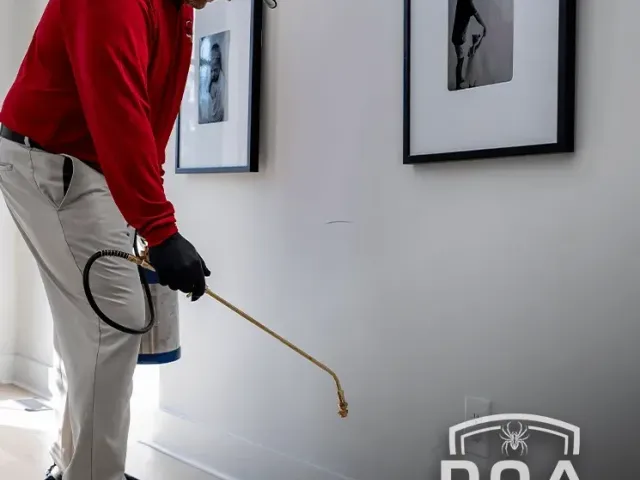
One-time pest treatments are typically used when there is a specific, visible problem that needs immediate attention. These treatments focus on resolving an active infestation rather than maintaining long-term prevention.
They are often applied when pests such as ants, spiders, cockroaches, or wasps become noticeable and disruptive.
- Immediate response. One-time treatments are designed to quickly reduce visible pest activity.
- Targeted application. Treatment focuses on the areas where pests are currently active.
- Short-term relief. Results may be effective initially but may not prevent future infestations.
- Situational use. Best suited for isolated or occasional pest issues rather than ongoing concerns.
While one-time pest treatments can resolve immediate problems, they often do not address the underlying conditions that allow pests to return.
How Seasonal Pest Treatments Provide Ongoing Protection
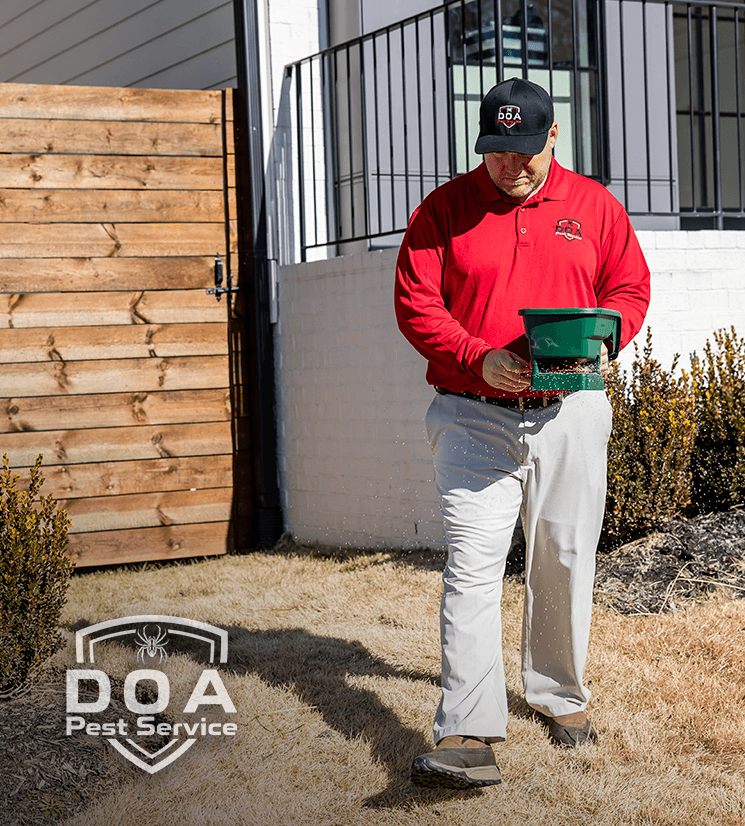
Seasonal pest treatments take a more proactive approach by aligning pest control with the natural cycles of pest activity. Instead of reacting to infestations, this method anticipates them and reduces the likelihood of occurrence.
- Scheduled service intervals. Treatments are applied throughout the year based on seasonal pest patterns.
- Preventative focus. The goal is to stop infestations before they begin.
- Broader coverage. Both interior and exterior areas are addressed to create a consistent barrier.
- Adaptive strategies. Treatments are adjusted depending on the time of year and pest behavior.
Different pests become active at different times, which is why understanding seasonal trends is important. For example, certain insects emerge more aggressively during warmer months, as explained in this discussion on spring pest activity patterns.
By working with these patterns, seasonal pest treatments provide a more stable and predictable level of control.
Key Differences Between Seasonal And One-Time Approaches
Understanding the difference between these two methods becomes clearer when comparing how they perform in real-world situations.
- Timing. One-time pest treatments are reactive, while seasonal pest treatments are proactive.
- Duration of effectiveness. One-time services offer short-term results, whereas seasonal plans provide continuous protection.
- Scope of service. Seasonal treatments cover a wider range of conditions and pest types over time.
- Risk of recurrence. Properties relying solely on one-time treatments may experience repeated infestations.
Each approach has its place, but their effectiveness depends on how well they align with the property’s needs and pest pressure.
Factors That Influence The Right Choice For Your Property
Choosing between seasonal pest treatments and one-time pest treatments involves more than preference. It requires evaluating the structure, environment, and history of pest activity.
Certain properties, such as older homes or buildings with structural gaps, may be more prone to recurring issues. Environmental factors like moisture, landscaping, and surrounding conditions also play a role.
Costs can also vary depending on the type of property and level of service required. For example, differences in structure and maintenance needs can influence pricing, as explored in this comparison of pest control costs explained.
By considering these factors, it becomes easier to determine which approach offers the most reliable outcome.
Why Long-Term Strategy Often Outperforms Short-Term Fixes
While one-time pest treatments can be effective for immediate concerns, they often do not provide the consistency needed to prevent recurring problems. Pests are highly adaptive, and once they identify a suitable environment, they tend to return.
Seasonal pest treatments, on the other hand, focus on maintaining control over time. This reduces the likelihood of infestations and helps create a more stable environment.
Professional pest management emphasizes strategy over quick fixes. By combining inspection, treatment, and ongoing monitoring, it becomes possible to address both current activity and future risks.
This approach not only improves effectiveness but also reduces the need for repeated interventions.
A Smarter Way To Stay Ahead Of Pest Problems
Understanding the difference between seasonal pest treatments and one-time pest treatments is key to making informed decisions about pest control. Each method has its role, but long-term success often depends on consistency and planning.We focus on solutions that are tailored, proactive, and built for lasting results. If you are ready for a more dependable approach, contact DOA Pest Service and let us help protect your space year-round.