Key Takeaways
-
Urbanization is displacing native wildlife, increasing the risk of pest infestations in homes and businesses.
-
Rodent populations are surging due to habitat disruption and proximity to human food sources.
-
Local pest control solutions are essential in managing the rise of urban wildlife intrusions.
-
Understanding urban ecosystem shifts is key to proactive pest management strategies.
-
Professional services help balance development with public health and environmental safety.
Tennessee is one of the fastest-growing states, with its population projected to reach 7.2 million by 2025. While growth signals economic progress, it comes at a cost to the natural environment. Forests and natural landscapes are being replaced with concrete developments, leading to habitat loss for wildlife and increased interaction between humans and displaced animals.
As native species struggle to adapt, some—like rodents, raccoons, and pigeons—thrive in urban environments. These species often become pests, infiltrating homes, commercial buildings, and outdoor spaces in search of food, water, and shelter. Urbanization has also contributed to shifts in bird populations and increased risks of disease transmission through pests.
How Urban Wildlife Becomes a Pest Problem
When green space shrinks, wildlife adapts. Rodents, for instance, quickly take advantage of human waste and unsecured food sources. This proximity increases the likelihood of infestations, particularly in densely populated neighborhoods. It’s not just about inconvenience—rodents can carry diseases like leptospirosis and salmonella and damage insulation, wiring, and structures.
Birds and insects are also affected. With fewer natural predators in urban areas, populations can explode. Pigeons can damage buildings with droppings, while insects like cockroaches and ants infiltrate homes year-round due to disturbed soil and weather changes triggered by urban development.

Common Urban Pests in Tennessee’s Growing Cities
Understanding which pests thrive in urban Tennessee can help residents take proactive steps. The most common include:
-
Rodents (rats and mice): Attracted to food waste, nesting spots, and warmth.
-
Cockroaches: Thrive in humid environments and multiply quickly indoors.
-
Ants: Often found near kitchens and entry points due to disrupted habitats.
-
Pigeons: Roost on roofs and ledges, causing property damage and health concerns.
-
Raccoons and Opossums: Common in suburban areas where trash is easily accessible.
These pests aren’t just nuisances—they pose serious health and structural risks when left unchecked.
The Role of Urban Planning in Pest Prevention
Urbanization doesn’t have to mean more pests. Through better planning, such as preserving green spaces and enforcing waste management ordinances, cities can reduce conditions that lead to infestations.
Moreover, developments that include proper drainage, ventilation, and landscaping can significantly lower the chances of insect and rodent harborage. Pairing these efforts with routine inspections and pest management strategies makes all the difference in long-term prevention.
Why Professional Pest Control Services Are Essential
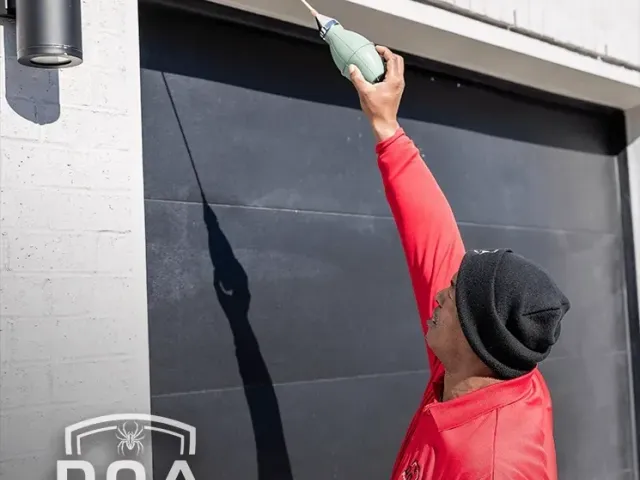
While DIY methods may offer temporary relief, they rarely address the full scope of a pest problem. Professionals understand pest biology, behavior, and the environmental triggers that lead to infestation. They use targeted treatments that eliminate pests without putting your health or property at risk.
A licensed pest control provider also conducts thorough inspections, identifies vulnerabilities, and sets up proactive barriers—giving homeowners and business owners peace of mind. In areas affected by rapid development like Tennessee, these services aren’t just helpful—they’re necessary.
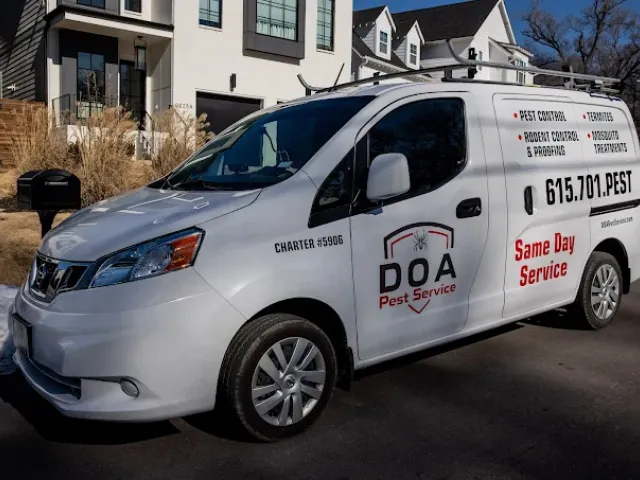
DOA Pest Service, for example, combines local knowledge with proven expertise to implement safe and reliable pest control programs tailored for urban settings. Whether it’s rodents, insects, or nuisance wildlife, their team helps maintain the balance between modern living and environmental responsibility.

Frequently Asked Questions
How does urbanization increase pest infestations?
Urbanization disrupts natural habitats, pushing wildlife into human environments. With limited food and shelter options, pests like rodents and insects move into homes and businesses.
Which pests are most common in urban Tennessee?
Rodents, cockroaches, ants, raccoons, and pigeons are among the most frequently reported pests in growing Tennessee cities.
Is wildlife dangerous when it enters urban spaces?
Yes. Wildlife can carry diseases, damage property, and contribute to secondary infestations (e.g., fleas from raccoons or rodents).
Can pest problems be prevented without chemicals?
Absolutely. Integrated pest management (IPM) techniques involve sealing entry points, improving sanitation, and using non-toxic deterrents before chemical treatments are considered.
What are signs I need professional pest control?
Frequent sightings of pests, droppings, strange noises in walls or attics, and unexplained property damage are all signs it’s time to call in the experts.
If you’re facing recurring pest issues due to neighborhood expansion or seasonal changes, working with an experienced team can make all the difference. Providers like DOA Pest Service understand the unique challenges posed by Tennessee’s urban growth and offer custom solutions to help you reclaim your space—safely and effectively.