In the hidden corners of your home, an ecosystem thrives with resilient creatures such as roaches, ants, and bed bugs. These pests are more than just nuisances, each possessing fascinating behaviors and survival strategies that adapt them to indoor living. Roaches, notorious for their tenacity, are drawn to your warmth and food, while ants, operating in harmonious colonies, find your home’s crevices ideal for foraging. Bed bugs, travelers by nature, settle into bedding unnoticed, making bed bug inspection services essential for detection. Exploring these household invaders reveals nuances of their survival tactics, guiding you on methods like how to get rid of roaches effectively.

Introduction to Household Pests
Venture into the world of household pests, where roaches, ants, and bed bugs make uninvited appearances. These critters, each with unique characteristics, are more than just annoyances. Roaches scuttle, ants march, and bed bugs nestle, each thriving in your home’s environment due to their adaptability and resilience. Understanding their habits offers insight into why they persist despite your efforts to eliminate them.
Roaches are masters at survival, often outlasting many attempts to remove them. Their attraction to food and water makes kitchens prime real estate. When you explore how to get rid of roaches, recognizing these patterns helps devise more effective elimination strategies. These survival instincts continue to inspire research in pest control methodologies, promising innovations for your household.
Bed bugs are the stealth invaders of the pest world, often hitching rides into homes unnoticed. Their ability to hide within mattress seams and furniture edges necessitates services like bed bug inspection for accurate detection. Although they breed quickly, understanding their life cycle and habitats aids in preventing future infestations, allowing you to maintain a more peaceful living space.
Looking into the future, responses to pests like roaches, ants, and bed bugs are expected to advance with technological innovations, providing more eco-friendly solutions and methods for effectively managing these resilient intruders. As you adapt, so too will the pests, making vigilance and continued research essential in maintaining control.

Focus on Roaches: The Survivors
Roaches have earned their reputation as the ultimate survivors, thriving in a variety of environments. Their ability to multiply quickly and adapt to both food scarcity and diverse conditions makes them formidable adversaries in the home. Understanding their behavior reveals why traditional extermination methods often fall short. To outsmart these persistent pests, strategies need to go beyond the immediate solution and consider their long-term resilience.
Roaches are known for their nocturnal activities and ability to squeeze into the tiniest of spaces. This makes spotting them during the day a sign of a significant infestation. To truly understand how to get rid of roaches, you need to shift your mindset from simply removing visible pests to preventing their entry and breeding cycles. Integrated approaches, including sanitation and sustainable pest control, become essential.
When you think of pest infestations, the spotlight often shifts to roaches as they can contaminate food and spread allergens. Their notorious durability means they can live without food for up to a month, relying instead on water. This adaptability suggests that effective control hinges on denying them access to both. Regular maintenance and inspections play a crucial role in disrupting their life cycle and keeping your home roach-free, ensuring lasting protection against these tenacious intruders.
Strategies to Manage Roach Infestation
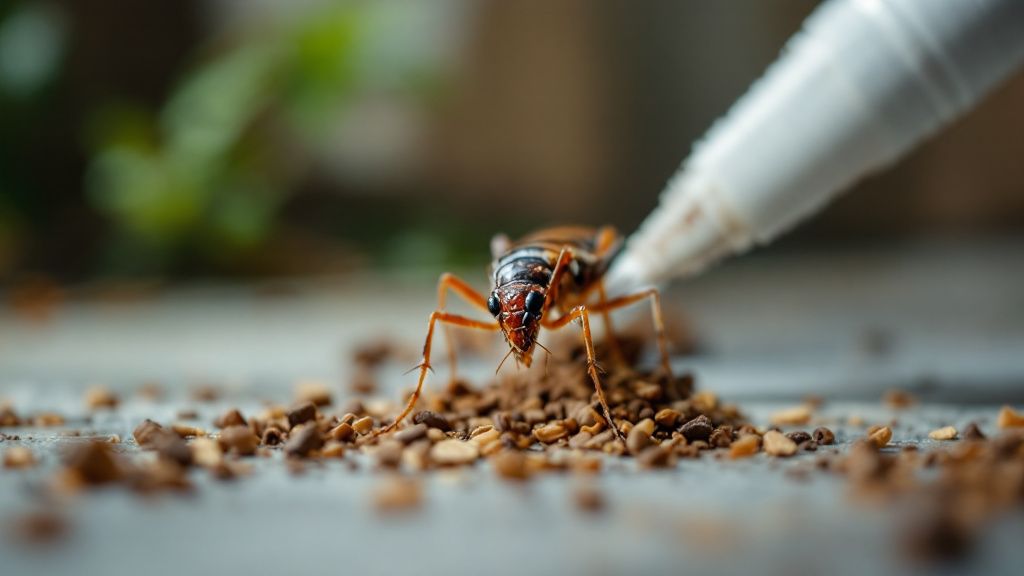
Managing a roach infestation requires a combination of methods that individually and collectively target these persistent pests. It begins with household hygiene: ensuring that food is stored securely and crumbs are cleaned immediately. Roaches, notorious for thriving in unsanitary environments, find it difficult to survive in spaces that lack easy access to nourishment. Consistent cleaning routines cut off their food supply, directly impacting their survival rates.
The decision between using chemical pesticides and natural deterrents often perplexes homeowners. Comparing traditional insecticides versus DIY natural remedies, like diatomaceous earth or essential oils, reveals distinct advantages and limitations. Chemical options might offer immediate results but carry health risks, especially in homes with children or pets. On the other hand, natural alternatives provide a safer environment but may require longer-term application for visible effects, urging you to weigh long-term health considerations against short-term effectiveness.
Professional pest control services offer a comprehensive solution. Their expertise can be pivotal, especially in severe cases where DIY methods fail. Hiring professionals not only helps in how to get rid of roaches but provides preventive strategies for ongoing protection. In contrast, bed bug inspection services require equally skilled approaches but involve tactics adjusted to bed bugs’ lifestyle, highlighting the need for targeted pest-specific interventions for effective household management.
Ants: The Unyielding Workers
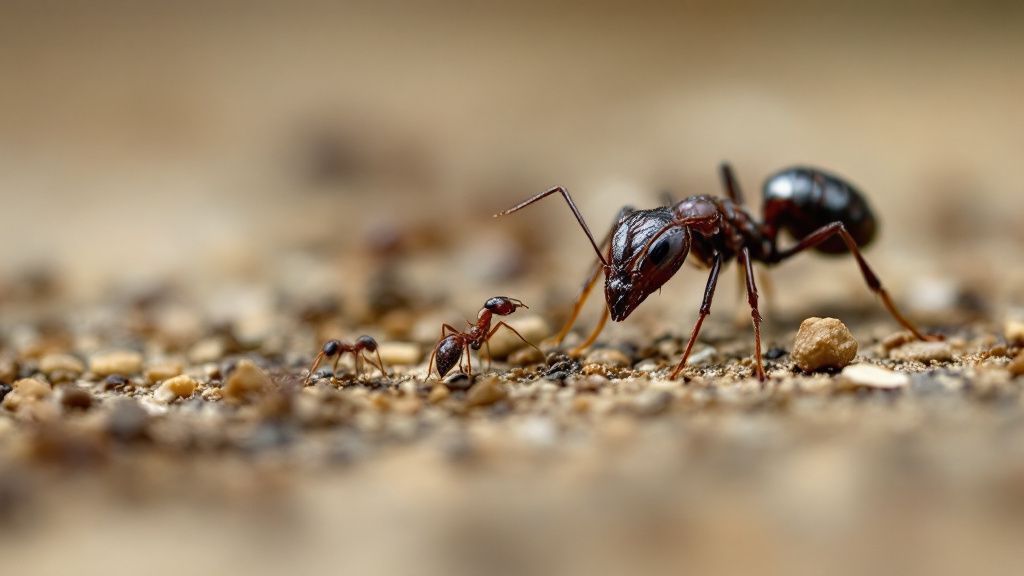
Ants encompass a wide variety of species, each known for its unyielding nature and complex social structures. Their ability to communicate efficiently and work relentlessly makes them a formidable presence in any household they invade. Once they find a food source, their trailing pheromones ensure a steady line of foragers, rendering them difficult to disband. This behavior poses a challenge for homeowners who often find it tricky to disrupt their established trails.
One of the challenges in managing ant invasions is the persistent problem of locating and eliminating their nests. Ants often nest in hidden, hard-to-reach places, making simple surface treatments ineffective. This issue can be addressed through a combination of targeted baiting and sealing entry points. Bait stations lure ants to take poison back to their colonies, while caulking cracks and crevices prevents new invasions, significantly reducing their numbers over time.
When ants attempt to settle in your home, maintaining strict sanitation is crucial. Wiping down countertops and ensuring all food is adequately sealed offers fewer incentives for ants to invade. While ant control isn’t directly related to how to get rid of roaches or obtaining bed bug inspection services, understanding each pest’s behavior and customizing your response ensures your space remains free from these resilient intruders, calling for specific solutions to tackle each unique challenge effectively.
Ants’ Role in the Ecosystem
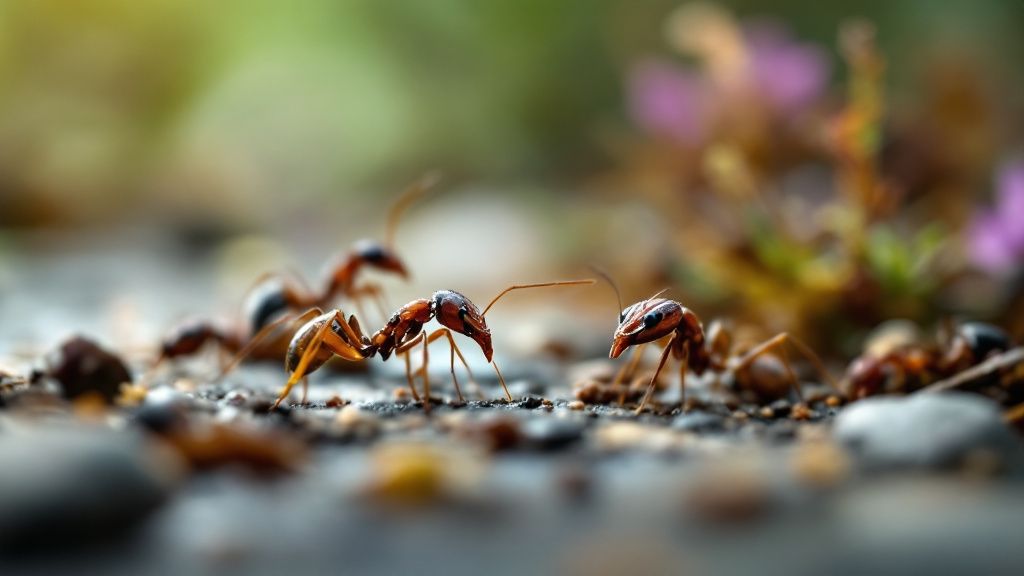
Ants, while often seen as pests inside homes, play a critical role in the broader ecosystem. These industrious insects contribute to soil aeration through their tunneling activities, which enhances plant growth. By turning over the soil, they improve air and water flow, making nutrients more accessible to vegetation. This indirect yet profound effect makes ants essential players in maintaining healthy ecosystems outside human dwellings.
In their natural habitats, ants function as decomposers, breaking down organic material and aiding in nutrient cycling. They consume debris, dead organisms, and waste, promoting ecological balance. This scavenging behavior helps clean environments, preventing the spread of disease and fertilizing the soil in the process. Their work is crucial for ecosystem sustainability, showcasing their indispensable role beyond their perceived nuisance in homes.
In the next few years, the science and study of ants is likely to uncover new ways they contribute to bioindicator roles. Ant populations might be used to gauge ecosystem health, given their sensitivity to environmental changes. This potential shift would not only emphasize the importance of preserving ant communities but also highlight their utility in understanding broader ecological patterns and pressures, reinforcing their vital role amidst growing environmental concerns.
Effective Ways to Eliminate Ant Colonies
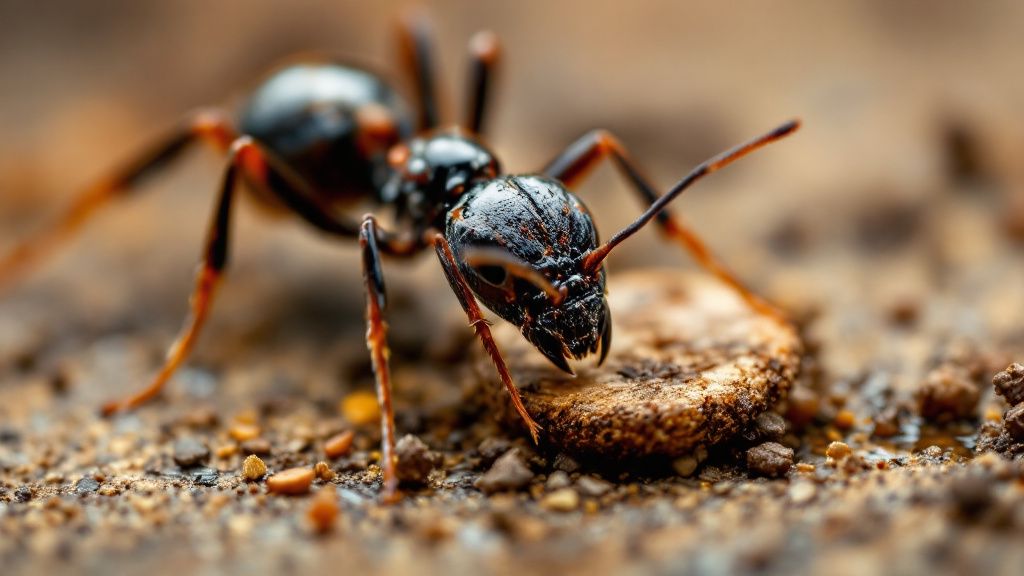
Eliminating ant colonies effectively involves several strategies that target their behavior and lifecycle. One of the most efficient approaches is using bait stations, which attract ants with food that contains a slow-acting poison. This method allows for the toxin to be carried back to the colony, eventually eradicating the entire nest. This system exploits the ants’ natural foraging habits, making it a strategic solution that minimizes visible intruders over time.
On one hand, a contrasting perspective argues for natural and non-toxic methods, advocating for environmental safety. This approach includes using diatomaceous earth or vinegar, which repels ants without harming the ecosystem. However, others may view chemical solutions as more immediate, emphasizing rapid extermination to protect homes from ant damage. Both perspectives highlight different priorities—safe environmental practices versus prompt and decisive action.
Physical barriers complement these strategies by blocking ants’ entry into your home. Sealing cracks and gaps around doors and windows forms an essential line of defense. While ant control shares common tactics with how to get rid of roaches, the key is understanding specific pest behavior. Exploring services like bed bug inspection also underscores the importance of customized solutions for each pest type, ensuring a comprehensive and effective approach to household pest management.