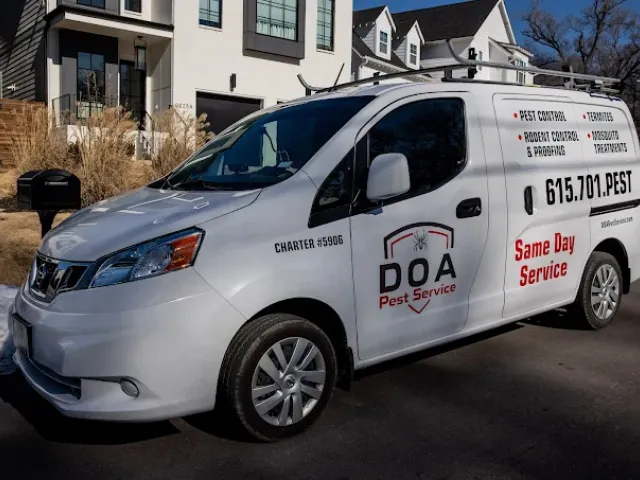
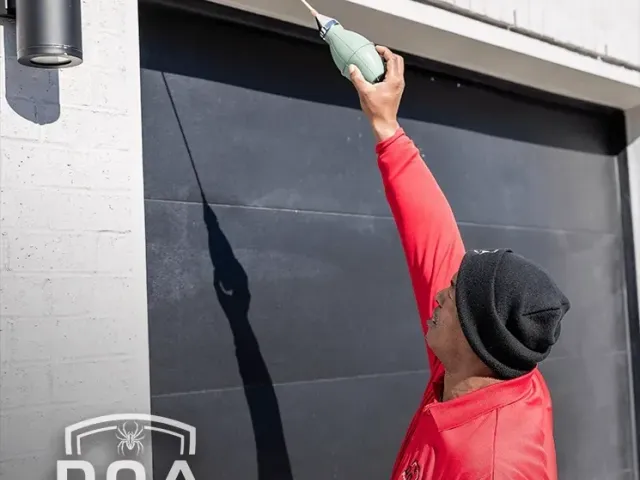
When temperatures start to dip, the natural rhythm of pest activity changes dramatically. Many pests that thrive in warmth begin to seek shelter, warmth, and food indoors, leading to a noticeable rise in winter infestations. Understanding how the cold affects pest behavior is key to effective pest control and long-term prevention.
As autumn fades into winter, the shift in weather also alters the ecosystem that sustains outdoor pests. Food sources like insects and vegetation become scarce, and moisture patterns change as the air turns drier. These subtle environmental pressures drive pests to move closer to human spaces, where warmth and steady food availability make survival easier. Homes, restaurants, and storage buildings unknowingly provide the refuge pests are searching for, making seasonal awareness and preparation essential for keeping infestations under control.
How Seasonal Shifts Influence Pest Behavior
As outdoor temperatures fall, pests such as rodents, ants, and spiders begin migrating indoors to escape the cold. Their biological instincts drive them to locate stable environments with access to food, water, and warmth. Basements, attics, and wall voids often provide the perfect refuge.
Some pests enter a state known as diapause, a dormant phase similar to hibernation, while others remain active year-round, simply relocating indoors to survive. This is particularly true for species like:
- Mice and rats, which squeeze through small gaps to find insulation near heat sources.
- Cockroaches, which gather in warm, humid spots such as kitchens and laundry areas.
- Spiders, which follow their prey into homes as insect populations move inside.
Recognizing these behavioral shifts helps determine when and where pest prevention should be reinforced.
Key Problem Areas During Cold Months
Cold weather reveals vulnerabilities in both residential and commercial structures. The smallest gap can become a gateway for pests seeking protection. Common entry points include roof eaves, foundation cracks, and openings around utility lines.
Typical cold-season challenges include:
- Increased rodent nesting within walls and insulation.
- Moisture-loving pests clustering near plumbing and drains.
- Insects seeking shelter in storage spaces or garages.
- Reproductive pests like cockroaches multiplying faster in heated environments.
During this period, structural inspections and consistent monitoring play a vital role in early detection. Homeowners can learn more about these preparations in resources like this guide on readying homes for seasonal pest intrusion, which outlines essential steps to protect interior spaces before infestations grow.
Why Professional Treatments Are Crucial in Cold Weather
While it may be tempting to handle pest issues independently, winter infestations often require specialized tools and techniques. The colder months make pests harder to locate, as many hide deep within walls, attics, or HVAC systems. Over-the-counter treatments rarely reach these protected zones.
Professional pest control provides deeper protection through:
- Targeted inspection using thermal and moisture detection tools to locate concealed pests.
- Safe treatment applications that eliminate pests without damaging insulation or wiring.
- Integrated pest management (IPM) strategies that combine habitat modification, sealing entry points, and follow-up care.
- Regular monitoring to detect new pest activity before it escalates.
Experts also consider how humidity levels, heating systems, and building materials influence pest behavior during colder months. These insights allow for precise, lasting treatment rather than reactive fixes.
Maintaining Long-Term Protection Through Scheduled Visits
Cold weather is just one phase of a continuous pest cycle. Even when infestations subside, eggs and larvae can linger unnoticed, ready to reemerge once temperatures rise again. That’s why ongoing treatment schedules are essential to maintaining consistent protection.
Routine visits ensure every phase of a pest’s life cycle is addressed. Quarterly inspections, in particular, are highly effective in preventing recurring infestations and keeping properties pest-free throughout the year. Learn more about the value of recurring treatment plans and how structured maintenance keeps homes secure during every season.
Regular service intervals offer several benefits:
- Prevent re-infestation through proactive treatment cycles.
- Maintain compliance for commercial facilities and restaurants.
- Reduce long-term costs associated with emergency pest removal.
Even when outdoor conditions seem unfavorable for pests, early intervention remains the best defense.
Combining Prevention, Hygiene, and Structural Care
Successful pest prevention in winter relies on a balanced approach. Sanitation, structural integrity, and environmental control must work together to create an inhospitable environment for pests.
Key recommendations include:
- Seal openings around doors, vents, and pipes using durable materials like steel mesh or weather-resistant caulk.
- Eliminate food access by securing containers, cleaning spills, and keeping waste tightly sealed.
- Reduce moisture by repairing leaks and maintaining proper ventilation in basements and attics.
- Store firewood properly, at least 20 feet from the home, to avoid harboring insects or rodents.
- Inspect insulation for signs of nesting, particularly near attics or crawl spaces.
These measures, combined with professional intervention, ensure that pests have fewer opportunities to infiltrate and settle indoors.
Winter-Ready Homes Start with Us
As temperatures drop, pests start looking for warmth, so don’t let your property become their refuge. Our experts understand how seasonal patterns affect infestations and are equipped to provide lasting, preventive care.For comprehensive winter protection and tailored pest prevention, contact DOA Pest Service. Let us help you stay ahead of cold-weather infestations with proven, year-round solutions.