Healthy soil is more than just a foundation for plants—it’s a living ecosystem that influences everything from crop yields to pest populations. In Tennessee, where diverse weather patterns and varied soil types create unique challenges for homeowners and property managers, understanding the connection between soil and pests can make the difference between thriving landscapes and costly infestations.
This article explores how soil health impacts pest activity, why neglected soil leads to more pest problems, and what steps can be taken to strengthen soil while reducing the risk of infestations.
The Link Between Soil Health and Pests
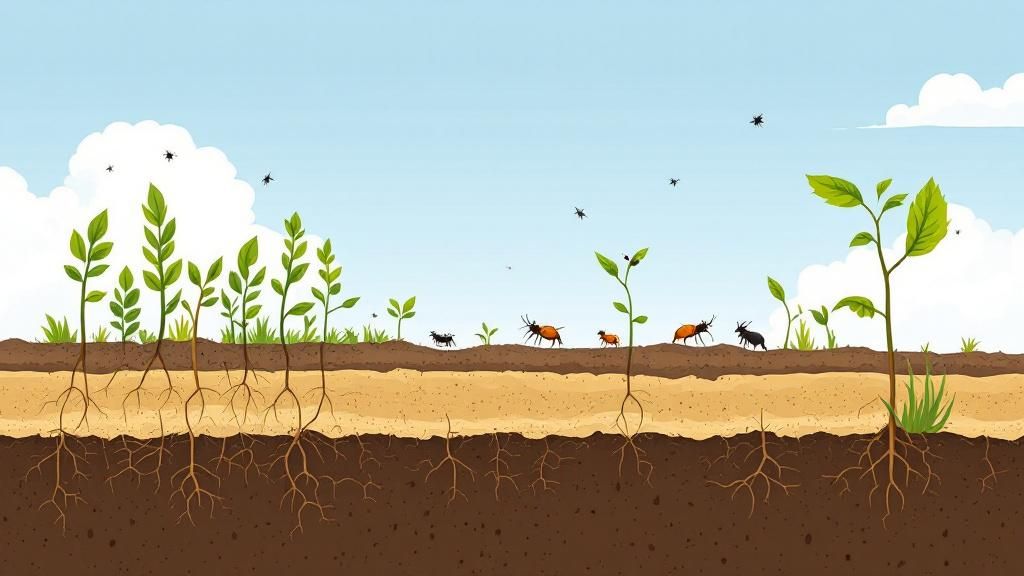
Soil is alive with microorganisms, beneficial insects, and fungi that work together to support plant growth. When soil is nutrient-rich and biologically active, it naturally suppresses many common pests. For example, healthy soils foster beneficial fungi like Trichoderma, which attack harmful pathogens before they damage roots. Similarly, robust populations of earthworms and predatory nematodes help keep insect larvae under control.
However, when soil health declines, this natural balance breaks down. Overuse of chemical treatments, poor drainage, or nutrient depletion weakens plants, leaving them vulnerable to pests such as ants, grubs, and termites. Stressed plants emit chemical signals that attract insects, further compounding infestations.
How Poor Soil Fuels Pest Infestations
Several conditions linked to unhealthy soil can drive pest problems in Tennessee homes and gardens:
-
Compacted soil reduces oxygen flow to roots, stressing plants and inviting root-feeding insects.
-
Excessive nitrogen from synthetic fertilizers encourages outbreaks of sap-feeding pests like aphids.
-
Moisture imbalances in poorly drained soils create breeding grounds for mosquitoes, fungus gnats, and mold-loving insects.
-
Decline in microbial life removes natural defenses, making soil more prone to harmful organisms that attract secondary pests.
These factors highlight why pest infestations often worsen in neglected lawns, gardens, or agricultural fields. What starts as a soil issue eventually leads to household pest problems.
Beneficial Organisms: Nature’s Pest Control
Not all insects in soil are harmful. Many serve as allies in reducing pest pressure:
-
Predatory nematodes feed on grubs and weevil larvae.
-
Beetles and spiders hunt termites, ants, and other soil-dwelling insects.
-
Fungi and bacteria suppress root diseases, strengthening plants to withstand pests.
By cultivating soil conditions that favor these beneficial organisms, homeowners can reduce dependence on chemical pesticides and enjoy longer-term pest protection.
Soil Type and Pest Behavior
Tennessee’s soils vary widely, from the clay-rich soils of Middle Tennessee to sandy soils in certain river valleys. Soil composition plays a direct role in pest behavior:
-
Clay soils absorb and hold moisture, often attracting ants, termites, and root-boring insects.
-
Sandy soils drain quickly, but they are prone to drought stress, which weakens plants and invites pest activity.
-
Loamy soils—a balance of sand, silt, and clay—support diverse microbial life and are least likely to foster large pest populations when properly cared for.
Understanding your property’s soil type is key to predicting which pests are most likely to become a problem.
Eco-Friendly Soil Practices That Reduce Pests
Homeowners and property managers can make practical changes that improve soil while reducing pest risks:
-
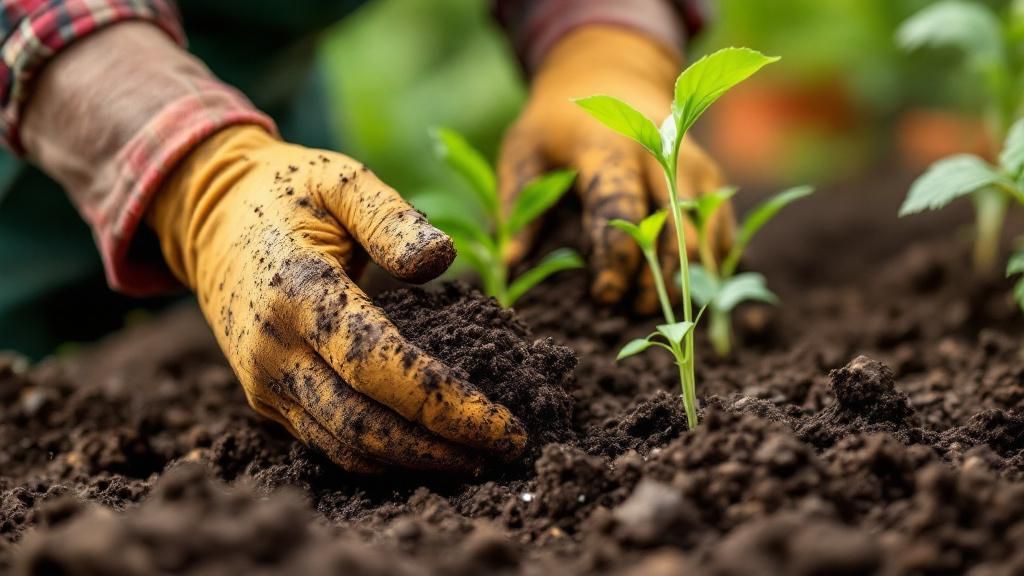
Composting and organic amendments – Adding organic matter increases microbial diversity, which suppresses harmful organisms.
-
Proper drainage – Prevents waterlogging that attracts mosquitoes, termites, and fungus gnats.
-
Crop rotation and diverse planting – Breaks the life cycles of pests and enhances soil fertility.
-
Mulching – Maintains moisture balance while deterring weed growth, which reduces harborage for pests.
-
Precision fertilization – Avoids excess nitrogen, keeping pest-attracting conditions under control.
These practices provide both immediate and long-term protection from pest-related damage.
The Cost of Ignoring Soil Health
Neglecting soil doesn’t just harm plants—it can directly impact property value. Termites alone cause more than $5 billion in property damage annually in the U.S. Rodent infestations linked to poor outdoor maintenance cost homeowners hundreds to thousands in repairs and remediation. Weakened landscapes also make homes less attractive to buyers, reducing curb appeal and resale potential.
Addressing soil health now can save significant money later by preventing infestations before they start.
When to Call in Professional Help
While DIY soil amendments are useful, some pest problems require expert attention. For example:
-
Persistent termite colonies despite soil treatment.
-
Rodent burrows damaging lawn structures or foundations.
-
Recurring ant or mosquito infestations linked to poor drainage.
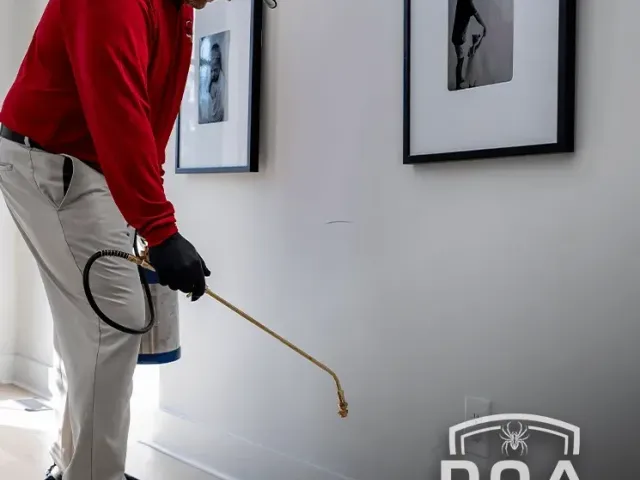
In these cases, calling a professional ensures both pests and underlying soil conditions are properly addressed. Companies like DOA Pest Service offer advanced solutions tailored to Tennessee’s soil and climate, helping residents protect their homes from future infestations.
Building a Long-Term Pest Prevention Strategy
The healthiest landscapes rely on a combination of proper soil management and professional oversight. By investing in soil quality today, homeowners gain stronger, more resilient plants and reduce the likelihood of pests taking over. For apartment complexes, farms, and large estates across Tennessee, soil-focused prevention strategies are especially valuable, as they provide natural defenses that complement professional pest control services.
When natural solutions and professional expertise work hand-in-hand, properties benefit from both healthier soil and a significant reduction in pest risks. That’s why more Tennessee property owners are turning to trusted providers like DOA Pest Service to guide them toward long-term, soil-conscious pest management.
Final Thoughts
Soil may seem like just “dirt,” but in reality, it’s a living system that determines whether pests thrive or struggle. By nurturing soil health, homeowners can give themselves a powerful advantage in reducing infestations and protecting their properties. Healthy soil equals healthier plants—and fewer pests.