Understanding the unique challenges of pest control for rental properties in Tennessee is crucial for effective management. Tennessee’s diverse climate and rich ecology provide an ideal environment for a range of pests that can quickly turn into a scourge without timely intervention. Proactive pest management services are vital to maintaining the value and reputation of your properties. As a property manager, implementing routine inspections is essential to detect early signs of infestation. Collaborating with pest control professionals ensures you employ the most up-to-date and environmentally friendly strategies. By leveraging local pest control Tennessee expertise, you can enhance tenant satisfaction and protect your investment from infestation damages.

Understanding the Importance of Pest Control in Property Management
Property management in Tennessee comes with its own set of challenges, one of which is the persistent issue of dealing with various pests. These include rodents, termites, and cockroaches, which thrive in the state’s warm climate and can compromise the integrity of rental properties. The presence of pests not only affects the structural soundness of your properties but can also lead to tenant dissatisfaction and turnover. Incorporating effective pest management services is crucial to ensure your properties remain pest-free and appealing to tenants.
By adopting a comprehensive strategy tailored to pest control for rental properties, you can prevent potential infestations before they threaten property value and tenant safety. This issue can be addressed through regular pest control inspections and timely interventions by pest control Tennessee experts who understand the local pest behaviors. Ensuring regular inspections can enable quick identification of potential habitats, allowing for fast, targeted treatments. Taking these proactive steps will secure your reputation as a diligent property manager and contribute towards sustaining a healthy, pest-free living environment for your tenants.

Common Pests Found in Tennessee Properties
In Tennessee properties, a variety of common pests can disrupt the peaceful environment you strive to maintain. Termites pose one of the biggest threats, relentlessly eating away at the wooden structures of homes and causing substantial damage if left unchecked. These silent destroyers thrive in the humid climate, making vigilant monitoring essential for prevention and control.
Cockroaches are another notorious pest that not only poses health risks but also drives tenants away. Their rapid reproduction and resilience against common pesticides require professional pest control Tennessee approaches to effectively manage infestations. Maintaining cleanliness and sealing entry points can deter these unwelcome visitors from invading your properties.
Rodents, such as mice and rats, frequently find their way into rental properties, causing damage to infrastructure and spreading diseases. To protect your properties, a multi-faceted approach is necessary. Seal any gaps or cracks in the building and store food securely to keep these pests at bay. Pest management services can offer targeted solutions to mitigate this issue.
To make the most of pest management services, try scheduling regular inspections, particularly during peak pest seasons. This proactive step ensures early detection and minimizes the risk of serious infestations, keeping your rental properties safe and appealing for tenants. Engaging local pest control experts provides the added advantage of their familiarity with Tennessee-specific pest challenges.

Implementing a Comprehensive Pest Control Plan
Establishing an effective pest control plan is vital in maintaining the health and safety of your Tennessee rental properties. A comprehensive strategy begins with a thorough assessment of your properties to identify potential pest hotspots. Once problem areas are determined, you can deploy targeted treatments and preventative measures that are tailored to the specific pests prevalent in the region.
The use of integrated pest management is a key part of an effective plan, combining chemical treatments with non-chemical methods such as habitat modification. One of the most frequently asked questions about pest control for rental properties is how often should inspections be scheduled? Regular inspections, typically every three to six months, help in proactively identifying risks before they escalate.
Communication with tenants is another crucial component of a successful pest control plan. Educate them about the signs of an infestation and how to maintain a pest-free environment. By fostering a collaborative approach, tenants become more vigilant and likely to report issues early. Pest control Tennessee experts can provide additional guidance and support throughout this process.
Partnering with pest management services ensures access to professional expertise that can efficiently manage and prevent pest issues. By integrating expert knowledge with localized strategies, you can safeguard your properties against potential pest threats and preserve their value for years to come.
Developing a Regular Pest Inspection Schedule
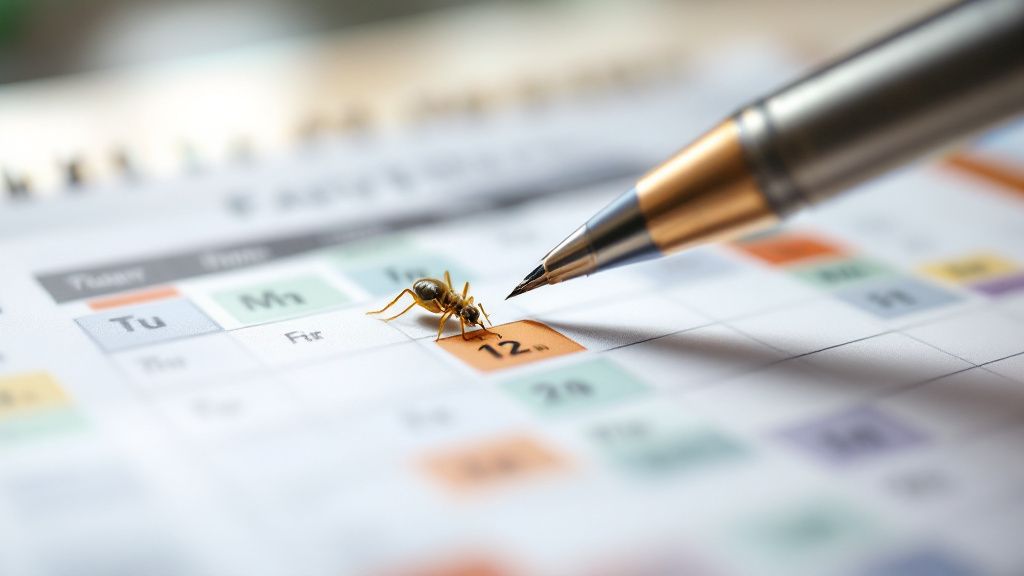
Creating a routine for pest inspections in your Tennessee properties is similar to maintaining a well-oiled machinery. Just like regular maintenance prevents breakdowns, consistent inspections ensure that pests are kept at bay before they become a problem. Scheduling these inspections at key intervals, such as season changes, can help catch potential infestations early, thereby maintaining the integrity and appeal of your rental properties.
A well-planned inspection schedule involves not just frequency, but also a comprehensive checklist that covers all potential trouble spots. From basements to attics, and everything in between, thorough inspections should cover all bases. Working with pest management services can enhance this process, providing you with expert insights tailored to specific pest threats prevalent in Tennessee.
Integrating pest control Tennessee experts into your plan can elevate the effectiveness of these inspections. These professionals are equipped with the knowledge and tools to identify not-so-obvious signs of pest activities. By coordinating with them, you can ensure that your properties are not only inspected regularly but also treated promptly, keeping pests at bay.
Think of developing a regular pest inspection schedule as nurturing a healthy ecosystem. Just as consistent watering and care foster growth and resilience in gardens, regular inspections lead to a pest-free environment, safeguarding the comfort and well-being of your tenants. This ongoing vigilance is key to sustainable property management.

Tenant Communication and Education Regarding Pest Control
Effective communication with tenants about pest control is a cornerstone of successful property management. Encouraging tenant involvement in maintaining a pest-free environment reduces the likelihood of infestations. Clear communications, whether through newsletters, emails, or meetings, provide tenants with guidelines on preventing pests. This includes information on proper waste management, cleanliness, and promptly reporting any signs of pests.
Education forms the bedrock of tenant engagement in pest control efforts. Sharing insights on pest behavior and prevention equips tenants with the knowledge to identify warning signs early. According to recent studies, understanding pest biology, such as their nesting and feeding habits, explains how timely interventions can disrupt pest life cycles and curb infestations effectively. This scientific insight empowers tenants to take proactive measures in their daily activities.
By integrating tenant education into your pest management strategy, you’re fostering a partnership that benefits both parties. When tenants are informed and involved, they become more vigilant, contributing significantly to maintaining the property’s condition. Collaborating with local pest management services can offer you educational resources and workshops to further support this initiative.
Tenant communication regarding pest control should be an ongoing effort focused on collaboration and information-sharing. This not only enhances the tenant’s living experience but also strengthens your reputation as a proactive property manager committed to a healthy living environment.
Sustainable Pest Control Practices for Tennessee Properties
Sustainable pest control practices have become a pivotal component of property management in Tennessee, reflecting a broader historical shift towards environmentally friendly solutions. Tracing its evolution from early agricultural periods, when natural remedies and crop rotation were employed, today’s sustainable methods build upon these age-old practices. The focus is on utilizing integrated pest management that combines biological controls, habitat manipulation, and eco-friendly products to maintain a healthy balance.
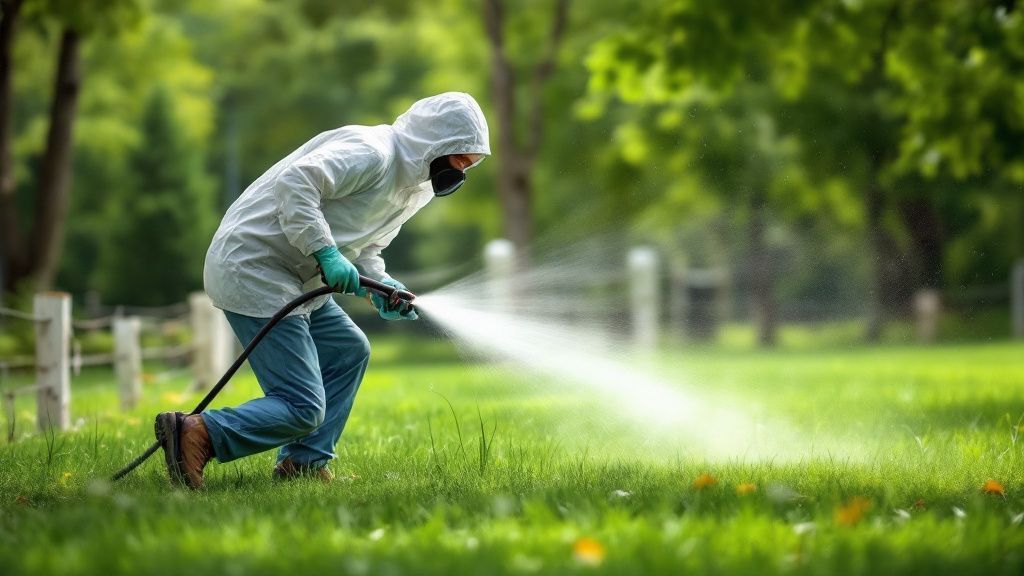
Implementing sustainable pest control for rental properties ensures long-term benefits, reducing environmental impact while safeguarding tenant health. This approach minimizes reliance on chemical pesticides, which can disrupt ecosystems and negatively affect non-targeted species. By engaging pest management services that prioritize sustainability, you’ll be tapping into a wealth of knowledge and strategies intended to control pests without compromising ecological integrity. This commitment to sustainability not only preserves the natural beauty of Tennessee but also aligns with increasing tenant expectations for green living environments.
Fostering biodiversity on your property is another powerful method in sustainable pest control. By encouraging the presence of natural predators such as birds and beneficial insects, you create a self-sustaining pest control mechanism. This ecological approach to pest management not only curtails pest populations but also enhances the overall health of your property’s ecosystem. Engaging tenants in these practices by educating them on the benefits of sustainable living further supports your efforts to keep your properties both eco-friendly and pest-free.