Pets bring comfort, companionship, and energy into our homes. Yet they can also become unintended carriers of external parasites. Ticks and fleas thrive in warm, humid conditions and attach quickly to animals that spend time outdoors. Once inside, these pests can spread throughout carpets, upholstery, bedding, and yard spaces.
Effective tick and flea protection requires more than occasional treatments. It demands a structured approach that addresses both pets and their environment. From inspection to targeted applications, professional pest services focus on eliminating active infestations and preventing future outbreaks.

The Health Risks of Ticks and Fleas
Ticks and fleas are not just irritating. They pose genuine health risks to pets and people. When left untreated, infestations can escalate quickly.
Common risks associated with these pests include:
- skin irritation and allergic reactions
- hair loss from excessive scratching
- anemia in severe flea infestations
- transmission of tick-borne illnesses
Fleas reproduce rapidly. A single female can lay dozens of eggs per day, which fall into carpets and soft furnishings. Ticks, on the other hand, may carry pathogens that can affect both animals and humans.
Because these parasites move easily between pets and living spaces, professional evaluation is often necessary to determine the extent of an infestation. Surface treatments alone rarely address hidden eggs and larvae embedded in flooring or yard soil.
Why Environmental Treatment Matters
Many pet owners focus on treating the animal but overlook the environment. However, tick and flea protection must address the full life cycle of these pests.
Fleas develop in stages, including egg, larva, pupa, and adult. Most of this cycle occurs off the host animal. Ticks also inhabit shaded outdoor areas, waiting to attach to passing pets.
Comprehensive treatment programs often include:
- interior applications targeting carpets and baseboards
- exterior yard treatments in shaded and high-traffic areas
- follow-up inspections to monitor residual activity
- strategic timing to disrupt breeding cycles
By addressing both indoor and outdoor zones, professionals significantly reduce reinfestation risk. Seasonal climate patterns also influence parasite activity. In regions with fluctuating temperatures, pest behavior changes throughout the year.
Understanding these shifts is essential. For insights into how seasonal conditions affect pest movement and breeding, it is helpful to review information about local pest activity trends. Recognizing when parasites are most active allows for proactive intervention rather than reactive treatment.
The Limits of Over-the-Counter Solutions
Over-the-counter sprays and powders may provide temporary relief, but they often fail to eliminate the underlying infestation. Inconsistent coverage, incorrect application rates, and lack of follow-up monitoring can leave eggs and larvae untouched.
Professional tick and flea protection programs are structured to:
- assess the full scope of infestation
- select targeted products appropriate for indoor and outdoor use
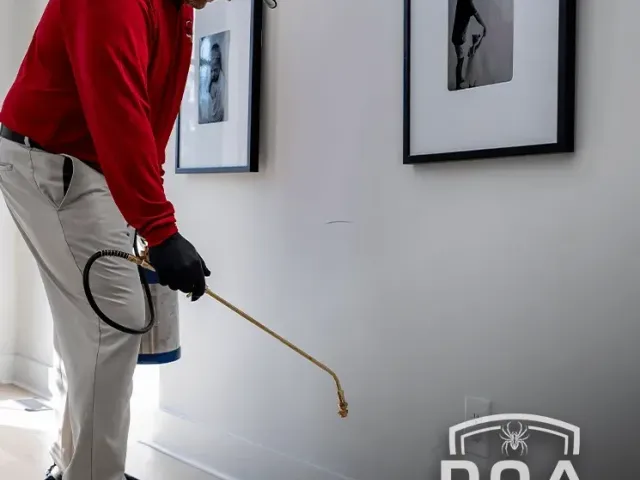
- apply treatments with precision and safety in mind
- schedule follow-up visits when needed
Parasite control requires understanding life cycles and environmental conditions. Incomplete treatment can allow dormant pupae to hatch weeks later, restarting the cycle.
In addition to flea and tick services, comprehensive pest control providers also address a broad range of household invaders. These commonly include ants, spiders, roaches, rodents, termites, mosquitoes, bed bugs, and stinging insects. Integrated service plans reduce the likelihood of overlapping infestations, especially in homes with pets that frequently move between indoor and outdoor areas.
Preventive Inspections and Long-Term Planning
One of the most effective ways to maintain tick and flea protection is through routine inspection and monitoring. Parasites can return seasonally, particularly in warm climates where populations never fully disappear.
Preventive service plans typically include:
- periodic inspections during peak seasons
- yard evaluations to identify high-risk zones
- moisture management recommendations
- ongoing communication about emerging activity
Regular inspections allow professionals to detect early signs of resurgence before infestations intensify. Proactive maintenance is often more efficient and less disruptive than emergency treatments.
Homeowners who want to understand the broader benefits of routine pest evaluations may find a useful perspective in this overview of preventive pest inspections. Seasonal assessments not only address ticks and fleas but also identify conditions that could attract other pests.
Long-term planning ensures that protection adapts to environmental changes, pet behavior, and property conditions. This systematic approach strengthens overall home health and safety.
Protecting Both Pets and People
Tick and flea protection extends beyond animal care. Because these parasites can bite humans, infestations pose a household-wide concern. Children playing on carpets or lawns are particularly vulnerable.
Professional pest management integrates safety protocols designed to protect families and pets during and after treatment. Careful product selection, precise application, and adherence to safety guidelines are essential components of effective service.
In homes where pets are frequent outdoor explorers, environmental treatment becomes even more important. Yards with dense vegetation, shaded corners, or high wildlife traffic are more susceptible to parasite buildup.
Combining targeted interior and exterior strategies reduces the likelihood of repeated outbreaks. Over time, this comprehensive approach minimizes stress for pets and maintains a healthier living environment for everyone.
Give Your Pets the Protection They Deserve
If you are concerned about ticks or fleas in your home or yard, contact DOA Pest Service today. We provide professional tick and flea protection designed to safeguard your pets and your home with thorough inspection, targeted treatment, and ongoing prevention.