Key Takeaways
-
Essential oils can be an effective, eco-conscious method for repelling common household pests.
-
Popular choices like peppermint, lavender, and citronella deter ants, mosquitoes, roaches, and rodents.
-
Regular application and correct dilution are key to ensuring safety and effectiveness.
-
While helpful, essential oils work best as part of a broader pest control strategy.
As more homeowners look for non-toxic solutions to pest problems, essential oils have gained popularity for their natural insect-repelling properties. Derived from plants, these oils offer a biodegradable, sustainable alternative to harsh chemicals. They’ve long been used in household products, but their role in integrated pest control is now more appreciated than ever.
While essential oils aren’t a silver bullet, they can support a pest-free home when applied correctly—and they smell better than most chemical sprays.
Most Common Essential Oils Used in Pest Control
Here are some of the top-performing essential oils for pest control, along with their target pests and applications:
-
Peppermint Oil
Effective against ants, roaches, spiders, and even mice. Apply near entry points or use diffusers in rooms where activity is noticed. Its strong menthol scent disrupts pests’ sensory receptors. -
Citronella and Lemongrass
Excellent for repelling mosquitoes and flies. These EPA-exempt oils are safe for use in outdoor areas like patios and gardens. -
Lavender
Known for its calming aroma for humans, lavender deters fleas, flies, and mosquitoes. It can be used in sachets, sprays, or diffusers. -
Basil Oil
Contains compounds with larvicidal properties, particularly effective in wet, mosquito-prone environments. Great for spraying near stagnant water. -
Clove and Thyme Oils
Possess strong insecticidal properties. Especially useful against houseflies and mites when diffused indoors.
Each oil targets different pest types, which is why many homeowners blend or rotate them to maximize effectiveness and avoid pest adaptation.
Application Tips for Safer, More Effective Use
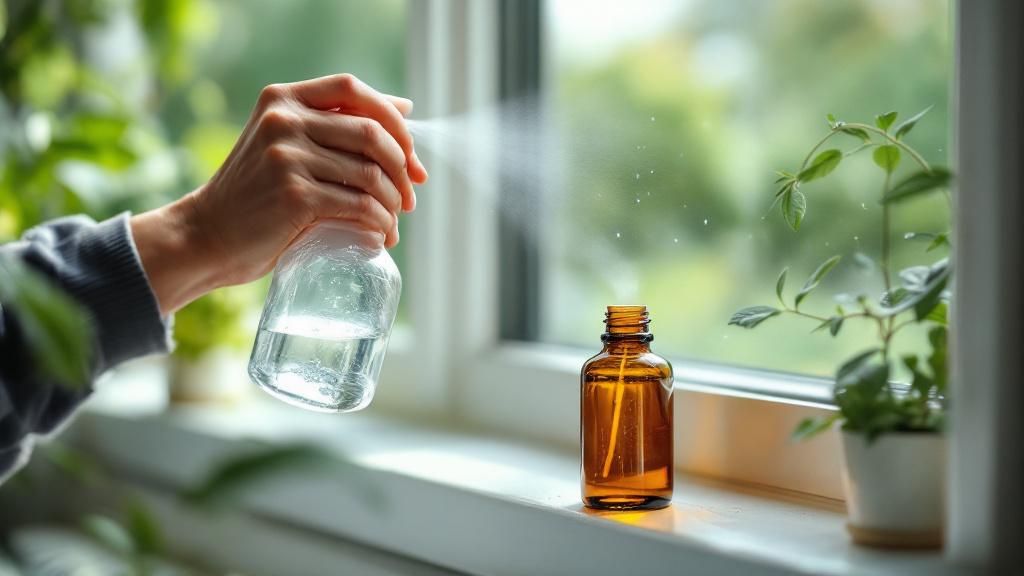
To get the most out of essential oils in your pest control routine, follow these best practices:
-
Use Pure, Undiluted Oils: Avoid synthetic versions, as they’re less effective and may contain unwanted additives.
-
Dilute Properly: Essential oils should be mixed with water or carrier oils (like coconut or almond oil) before applying to surfaces to prevent skin irritation and prolong their effect.
-
Reapply Frequently: These oils evaporate quickly. Reapplication every 3–5 days—or after rain—is recommended.
-
Rotate Scents: Pests can build a tolerance to certain oils. Alternate between oils to avoid diminished effectiveness.
-
Combine Strategically: Mixing peppermint with eucalyptus or citronella can create a more potent blend for broad pest deterrence.
A Historical and Environmental Perspective
Essential oils have been used since the 16th century for their insect-repelling properties. Natural substances like citronella and cedarwood were traditionally applied to protect stored grains or deter flying insects.
Modern eco-conscious consumers are rediscovering these time-tested methods. Not only do essential oils reduce chemical exposure, but they also have less environmental impact than synthetic pesticides, which can leave harmful residues.
This makes essential oils especially appealing to those in cities like Nashville, where sustainability is becoming a growing priority for homeowners and businesses alike.
Limitations and When to Call the Pros
While essential oils can offer temporary relief from mild pest problems, they are not ideal for full-blown infestations or more invasive pests like termites, bed bugs, or rodents nesting inside walls.
They also require frequent upkeep and may not work well in larger or outdoor spaces where environmental conditions can quickly dilute their effects.
Why It’s Smart to Hire a Pest Control Professional
If essential oils aren’t cutting it—or if you’re dealing with recurring pest problems—professional pest control services offer a more effective and long-term solution.
Trained technicians can:
-
Identify pest types and locate breeding sites you may miss
-
Use targeted treatments that are safe for your family and pets
-
Offer customized strategies that integrate natural and professional-grade solutions
-
Ensure compliance with local safety and environmental regulations
Working with a reliable pest service ensures you’re not just covering up the problem but addressing the root cause.
One such provider, DOA Pest Service, incorporates eco-friendly methods—including natural deterrents—into their treatment plans when appropriate. Their team knows when essential oils can help and when a stronger approach is necessary.
Final Thoughts
Essential oils have their place in the pest control toolbox, especially for homeowners looking for natural alternatives to chemicals. When used correctly, they can help reduce pest presence and minimize environmental impact.
However, for long-lasting protection and peace of mind, consider working with professionals who understand how to blend natural methods with proven pest management techniques. Companies like DOA Pest Service are well-equipped to guide you through eco-conscious solutions tailored to your specific situation.

Frequently Asked Questions
Are essential oils effective for serious infestations?
No. While they help repel pests, essential oils are not sufficient for handling infestations. Professional treatments are recommended.
Can I mix essential oils for better results?
Yes. Combining oils like peppermint, clove, and citronella often increases repellent strength and coverage.
Are these oils safe around children and pets?
Most are safe when diluted properly, but avoid direct application. Tea tree and some citrus oils may irritate pets.
How often should I reapply essential oils?
Typically every 3–5 days or after rain. Their effectiveness diminishes quickly due to evaporation.