In the fast-paced environment of Nashville’s apartment complexes and condominiums, keeping pests at bay requires more than just reactive measures—it demands a proactive, coordinated approach. Multi-unit dwellings create unique challenges that differ significantly from single-family homes, requiring pest control solutions that address the shared walls, communal areas, and high density of residents that make infestations more likely to spread.
By combining preventive measures, tenant cooperation, and expert pest control services, apartment buildings can stay pest-free year-round—protecting both property value and residents’ comfort.
Why Apartment Pest Control Requires a Different Approach
Unlike detached houses, apartments and condos share walls, plumbing, ventilation systems, and trash disposal areas. These connections create easy highways for pests such as cockroaches, ants, bed bugs, and rodents to travel between units. A single untreated infestation can quickly spread to multiple homes in the building.
Urban environments like Nashville also face heightened pest pressures due to climate conditions, seasonal shifts, and increased human activity. Pests thrive where food, shelter, and moisture are abundant, which means that even well-maintained buildings can be at risk without consistent monitoring and treatment.
In multi-unit settings, pest control is not simply an individual responsibility—it’s a community-wide effort that requires coordination between property managers, maintenance staff, residents, and professional pest control experts.
Preventive Measures That Work
The most effective pest control plans for apartment complexes begin with prevention. These strategies help keep pests out before they have the chance to become a problem.
1. Seal Entry Points
Cracks around windows, doors, baseboards, and utility lines are common pest entryways. Applying caulk and weatherstripping—especially near balconies or patio doors—reduces the likelihood of insects and rodents entering.
2. Maintain Sanitation Standards
Improper trash disposal, unwashed dishes, and food debris can attract pests quickly. Tenants should be encouraged to dispose of garbage regularly, clean spills immediately, and store food in sealed containers.
3. Eliminate Moisture Sources
Standing water in sinks, under appliances, or around HVAC units can attract pests like cockroaches and mosquitoes. Regular inspections to identify and fix leaks are essential.
4. Schedule Routine Inspections
A professional pest control service should perform inspections every three to six months. This allows for early detection and targeted treatment before infestations spread.
Common Myths About Apartment Pest Control
Misinformation can lead residents and property managers to make ineffective pest management choices. Let’s clear up some common myths:
-
“Pests only infest dirty homes.”
Even the cleanest apartments can attract pests if they provide food, water, or shelter. Bed bugs, for example, are not attracted to dirt but to human presence. -
“Ultrasonic pest repellers work for everything.”
These devices often fail to provide consistent results. Relying solely on them can leave your property vulnerable. -
“Cats are enough to control rodents.”
While cats may catch the occasional mouse, they cannot address a full-blown infestation. Professional rodent control remains the most reliable option.
Pest Control Challenges in Multi-Unit Buildings
Professionals who specialize in urban pest control face challenges such as:
-
Pest migration between units due to shared walls and ventilation systems.
-
Invasive pest species that adapt quickly to traditional treatments.
-
Resistance to pesticides, which requires updated treatment methods.
-
Tenant cooperation issues, where lack of compliance with preventive measures can undermine overall pest control efforts.
To overcome these challenges, pest control companies in Nashville stay current with industry advancements and adapt their methods to meet the unique needs of multi-unit properties.
Apartments vs. Houses: How Pest Control Differs
While houses are easier to isolate and treat individually, apartments require coordinated strategies involving all residents. For example:
-
Apartments: Must address building-wide sanitation, entry point sealing, and shared waste management areas. Treatments often need to be applied to multiple units simultaneously.
-
Houses: Can often be treated on a single-visit basis, with fewer concerns about pest migration from neighboring properties.
Because of these differences, apartment pest control demands a service provider with experience in high-density residential environments.
Seasonal Pest Concerns in Nashville
Pest pressures shift throughout the year in Middle Tennessee:
-
Spring/Summer: Ants, mosquitoes, and wasps become more active.
-
Fall: Rodents begin seeking indoor shelter as temperatures drop.
-
Winter: Cockroaches and spiders move inside to escape the cold.
Apartment managers should ensure pest control schedules align with these seasonal trends to address issues before they escalate.
The Future of Pest Control in Nashville Apartments
The pest control industry is evolving toward smarter, more sustainable solutions:
-
Smart Monitoring Systems: Sensors that detect pest activity in real time, allowing for faster intervention.
-
Eco-Friendly Treatments: Low-toxicity products and biological controls that reduce environmental impact.
-
Community Engagement Programs: Tenant education initiatives that encourage proactive reporting and prevention habits.
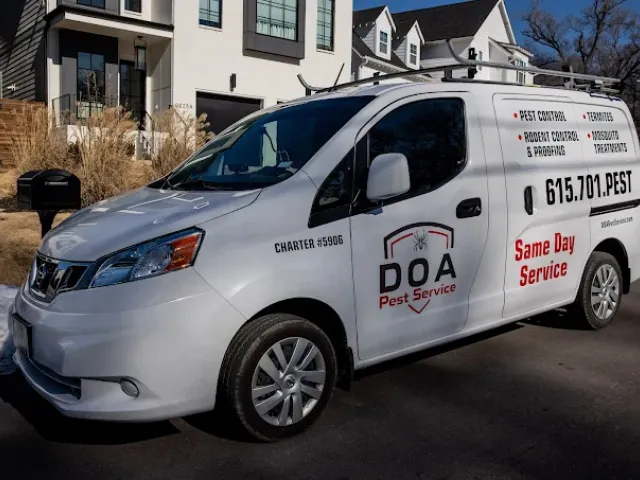
Local providers, such as DOA Pest Service, have been early adopters of these advanced methods—combining proven techniques with cutting-edge innovations to serve both tenants and property managers effectively.
Why Professional Expertise Matters
Attempting DIY pest control in an apartment complex can backfire, especially when dealing with pests like bed bugs or German cockroaches. Without the right training, tools, and treatment strategies, infestations can worsen and spread to neighboring units.
Professional pest control technicians:
-
Accurately identify pest species and tailor treatments accordingly.
-
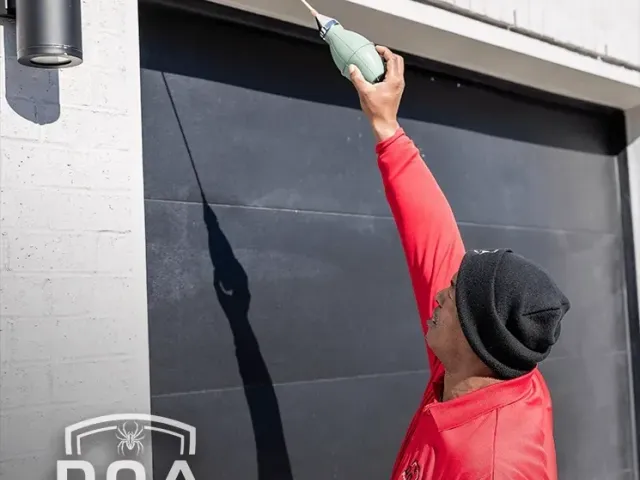
Apply targeted solutions safely and effectively.
-
Monitor results and adjust strategies as needed.
-
Provide education to residents on preventive measures.
Trusted local companies understand the unique pest control challenges of Nashville’s apartment living and offers customized plans to keep properties pest-free year-round.
FAQs
What are the most common pests in Nashville apartments?
Cockroaches, ants, bed bugs, and rodents are the most frequent culprits.
How often should apartments receive pest control services?
Every three to six months, or more frequently if there’s a history of infestations.
Are treatments safe for children and pets?
Yes—when performed by licensed professionals following safety guidelines.
Can tenants handle pest control themselves?
DIY methods can work for minor issues, but professional services are best for long-term protection.